












Have you ever heard of indicator trading? Indicator trading is one of the most trusted trading and one of your potential investment opportunities in the world’s leading businesses. However, to ensure your chances of success when investing in this type of trading, you must have smart investment strategies. In this article, I will guide you on how to use MT5 for indices trading effectively!
What is indices trading?
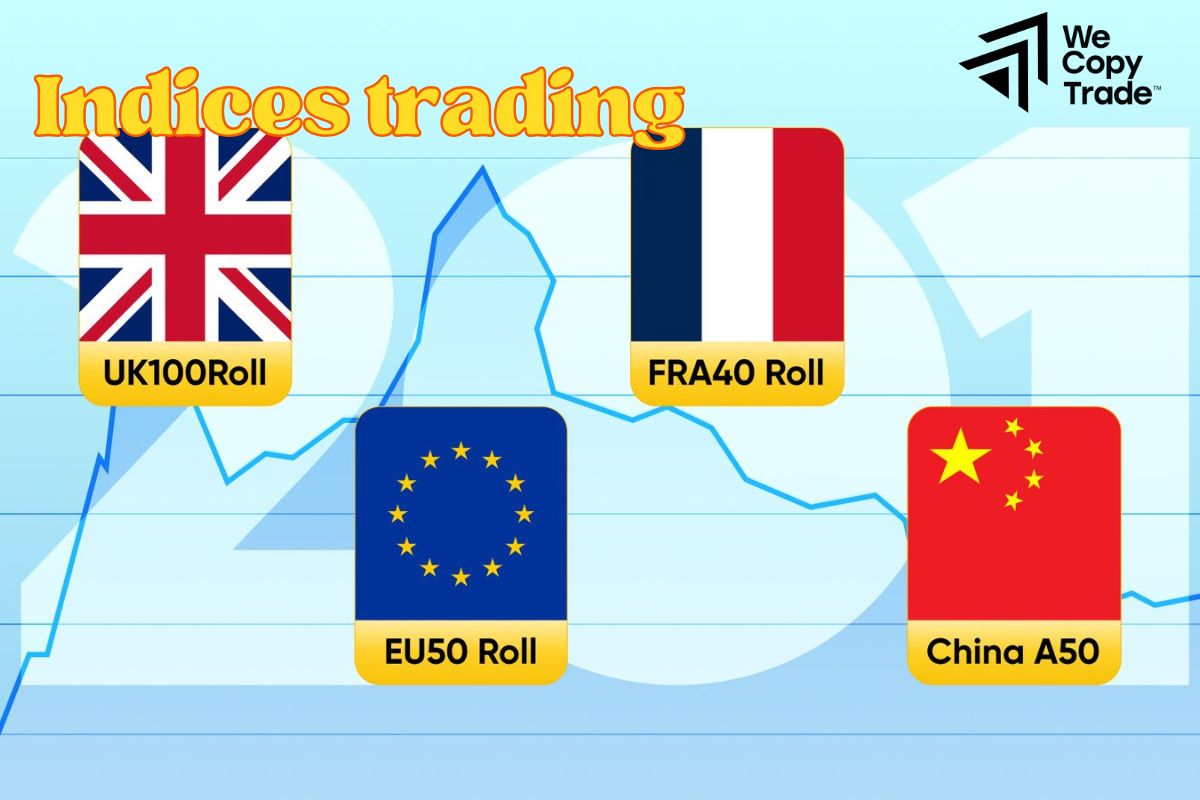
Index trading is a simple way to get into the stock market without having to pick individual stocks. Instead, you invest in a basket of stocks that represent an entire market or a specific industry.
For example, if you buy the S&P 500 index, you own a small portion of the 500 largest companies in the US. As the value of these companies increases, the value of the index also increases.
By investing in an index, you spread your risk across many different companies. You don’t need to analyze individual stocks, just follow the performance of the index (which often reflects the overall situation of a market, helping you grasp the big trend)
See now:
- Top Common Trading Signals – How to interpret MT5 signals
- How to trade crypto on MT5 for the most detailed trading
- Resolution: How can I speed up MetaTrader performance?
- Best Custom Indicators – How to add custom indicators to MT5
Types of index trading tools
Index funds: These are investment funds that track a specific index. There are two types of index funds:
- Passive funds: Invest in the exact proportion of the index, low cost.
- Active Fund: The fund manager will try to beat the performance of the index, the fees are usually higher.
ETF: A type of index fund that is traded on the stock exchange like stocks, very flexible, can be bought and sold at any time during the trading session and is easy to buy and sell, management fees are usually lower than traditional mutual funds.
How to use MT5 for indices trading
Step 1: Open a trading account
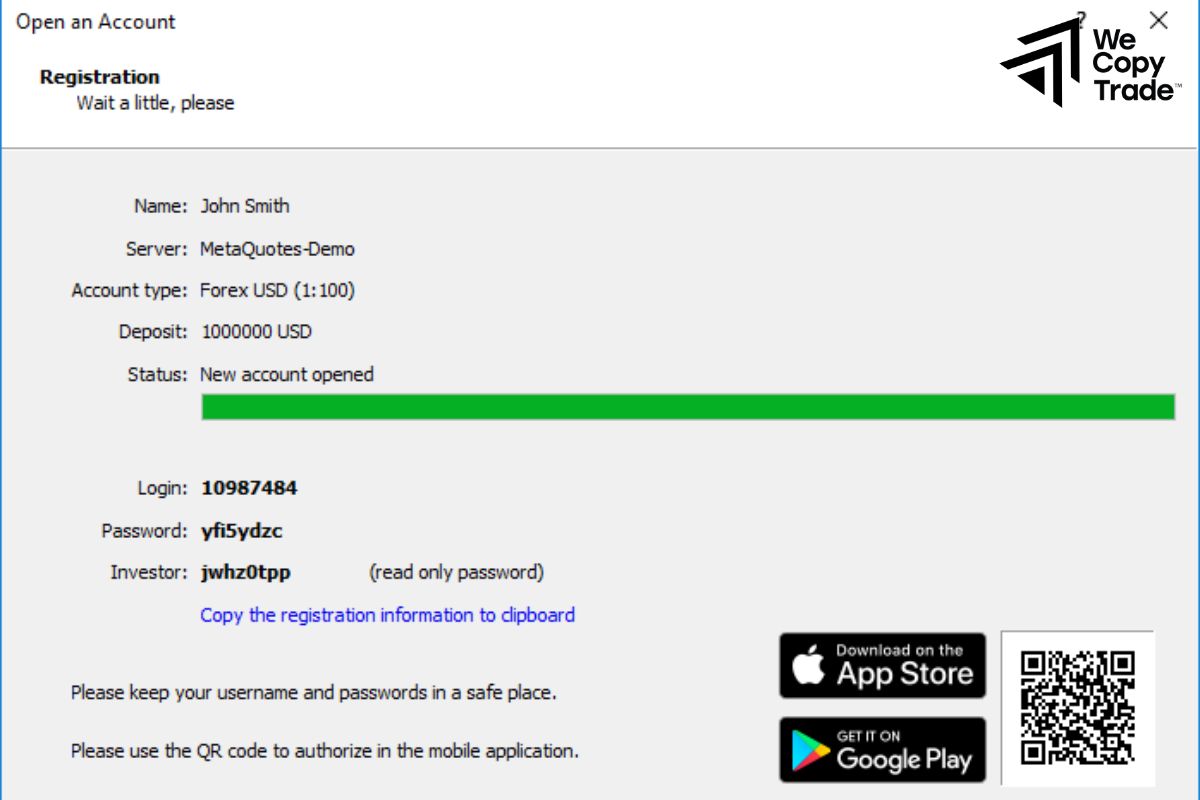
- Find a broker that offers the MT5 platform and has a license to operate.
- Fill in your personal information and verify your identity to register an account
- Transfer funds to your trading account to start trading.
Step 2: Download and install MT5
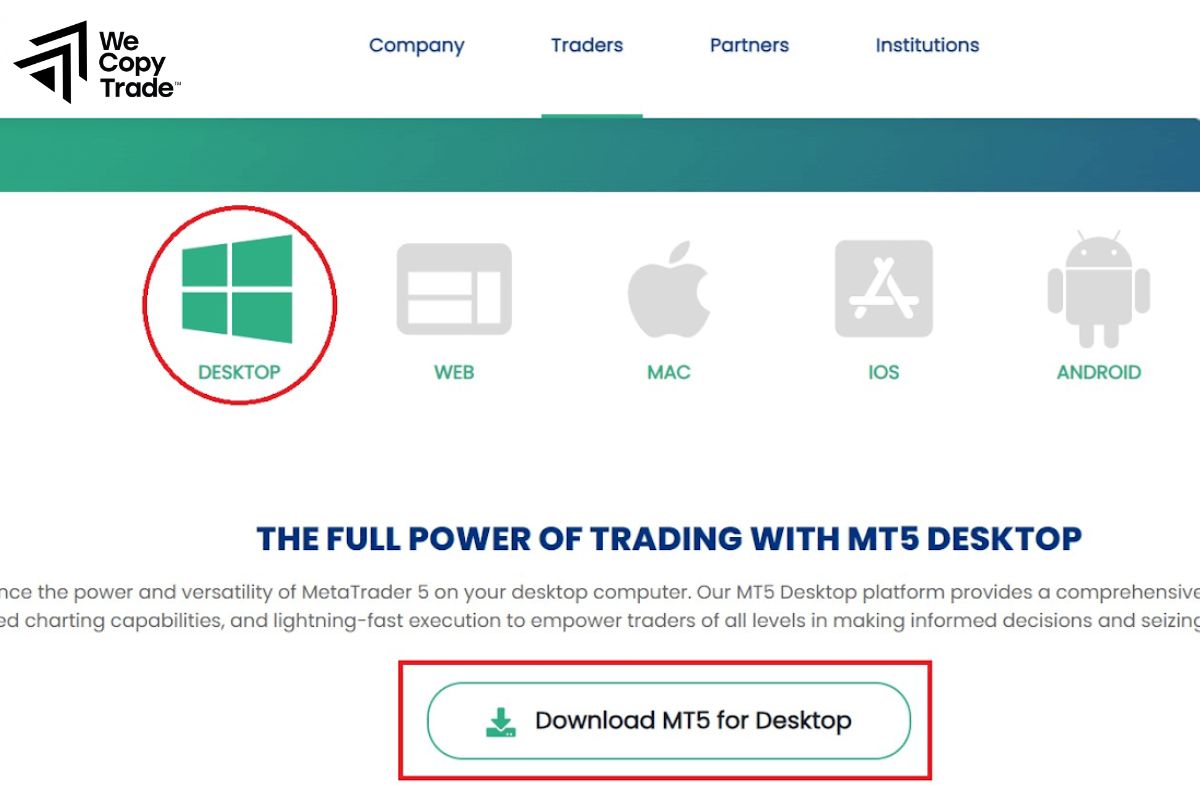
- Download the MT5 software from the broker’s website or from the MT5 homepage.
- Follow the instructions to install the software on your computer or phone.
Step 3: Get familiar with the MT5 interface
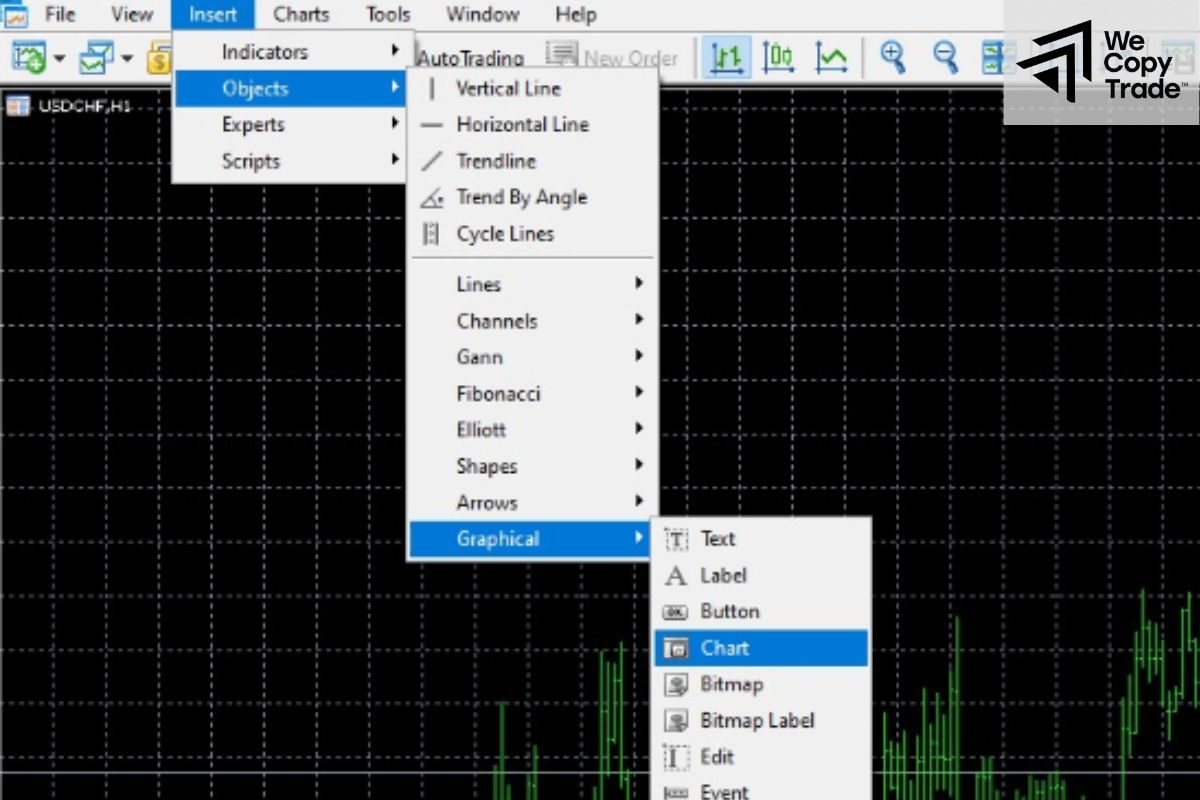
- Learn about technical analysis tools, place orders, and manage accounts on MT5.
- Find and open the chart of the index you want to trade (e.g. US500, DE40, HK50).
Step 4: Make a trade
Use technical analysis tools to make a buy or sell decision.
Place an order:
- Market order: Immediate buy or sell at the current market price.
- Pending orders: Place a buy or sell order when the price reaches your desired level.
Risk management:
- Place a stop loss order to limit your losses if the market moves against you.
- Place a take profit order to protect your profits when the price reaches your target.
Step 5: Monitor and adjust
- Regularly check your trading situation.
- Be flexible with your trading strategy.
What factors affect indices prices?
The price of an index does not simply rise or fall randomly. It is influenced by many different factors. Here are some of the main factors:
Economic news

- The decision of the central bank to raise or lower interest rates can have a big impact on the market.
- Reports on GDP, unemployment rate, inflation… can change investor sentiment.
- Events such as war, political crisis… can cause strong fluctuations in the market.
Business results of enterprises
- When companies report better-than-expected profits, their stock prices often increase, causing the index to increase.
- Revenue growth is also a positive signal.
Investor psychology

When investors are optimistic about the economic outlook, they will buy more, pushing prices up. Conversely, when investors are worried, they will sell, putting downward pressure on prices.
Index composition changes
When a company is added or removed from the index, ETFs and investors who track the index buy or sell that stock, affecting its price.
Commodity prices
Price movements in commodities such as oil and gold can affect related industries and impact the index price.
Indices Trading Strategies
In this article, we will explore some of the most highly rated index trading strategies that will help you make better trading decisions:
Bollinger Bands Strategy
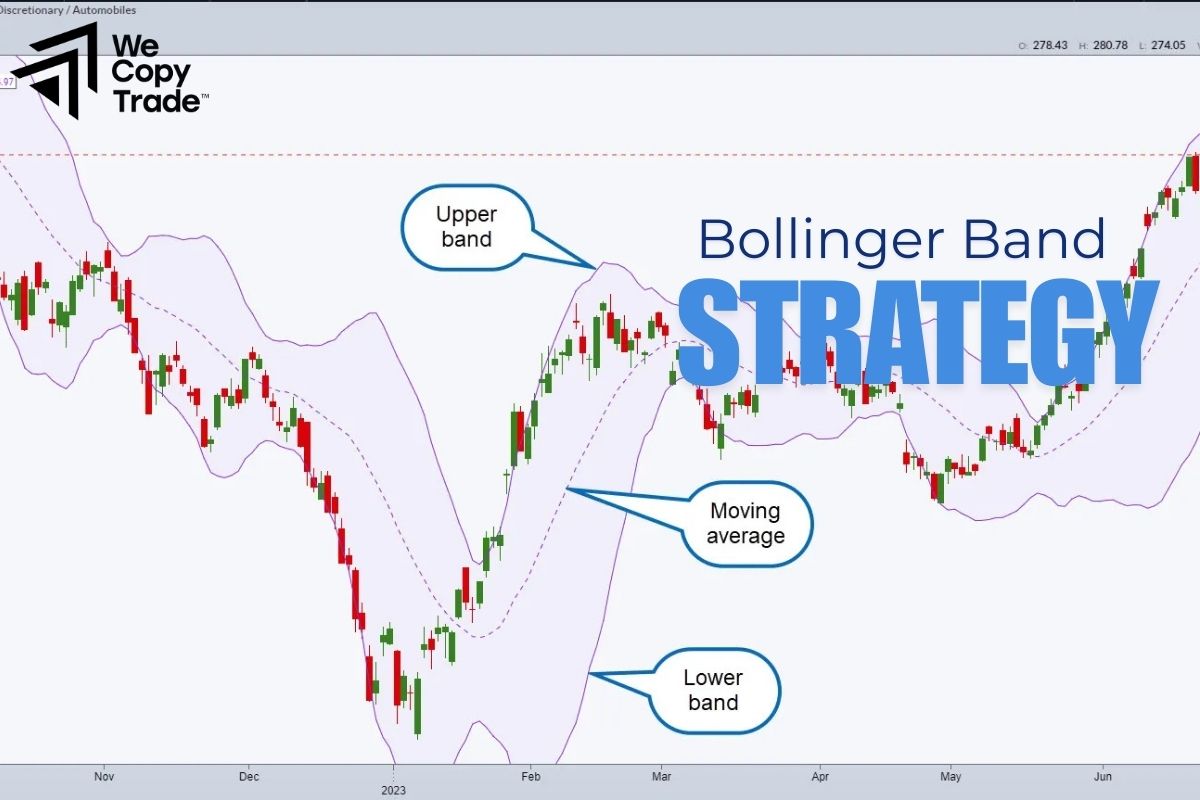
- Bollinger Bands consist of three parts:
- Middle Band: A simple moving average that shows the general trend of the market.
- Upper and Lower Bands: These are the highest and lowest prices that the price usually fluctuates within a certain period of time.
When the price breaks the upper band, indicating that the uptrend may continue, place a buy order. Conversely, we will sell when the price breaks the lower band, indicating that the downtrend may continue.
For example, if you see the price of the S&P 500 suddenly cross the upper band of the Bollinger Bands, it could be a signal that the market is going up and you can consider opening a buy position.
Position Trading Strategy
This type of strategy is very suitable for those who are patient and have a long-term vision. Execute this strategy by holding a position for a long period of time, which can be several months or even several years. This approach helps avoid short-term fluctuations and focuses on the larger market trend.
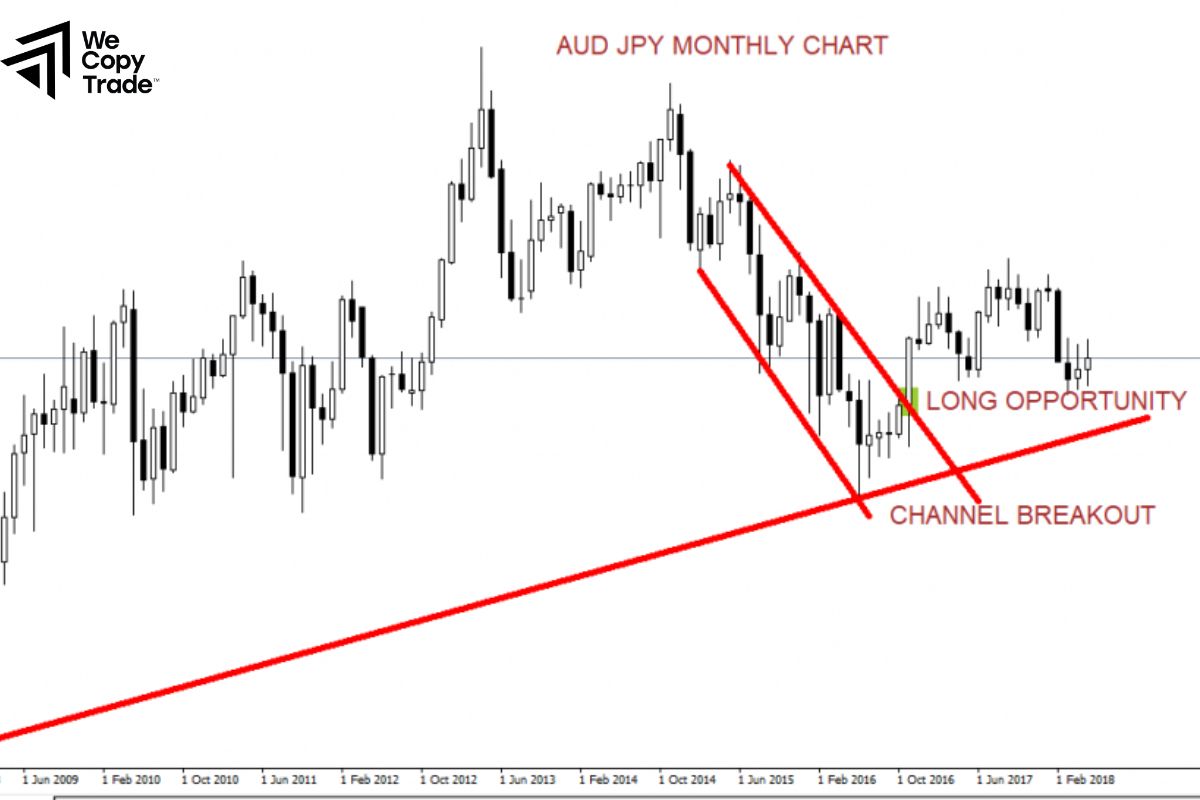
In the previous article, we looked at two popular index trading strategies. Now, let’s explore some other approaches to help you make more effective trading decisions. We will focus on breakout trading and end-of-day trading strategies.
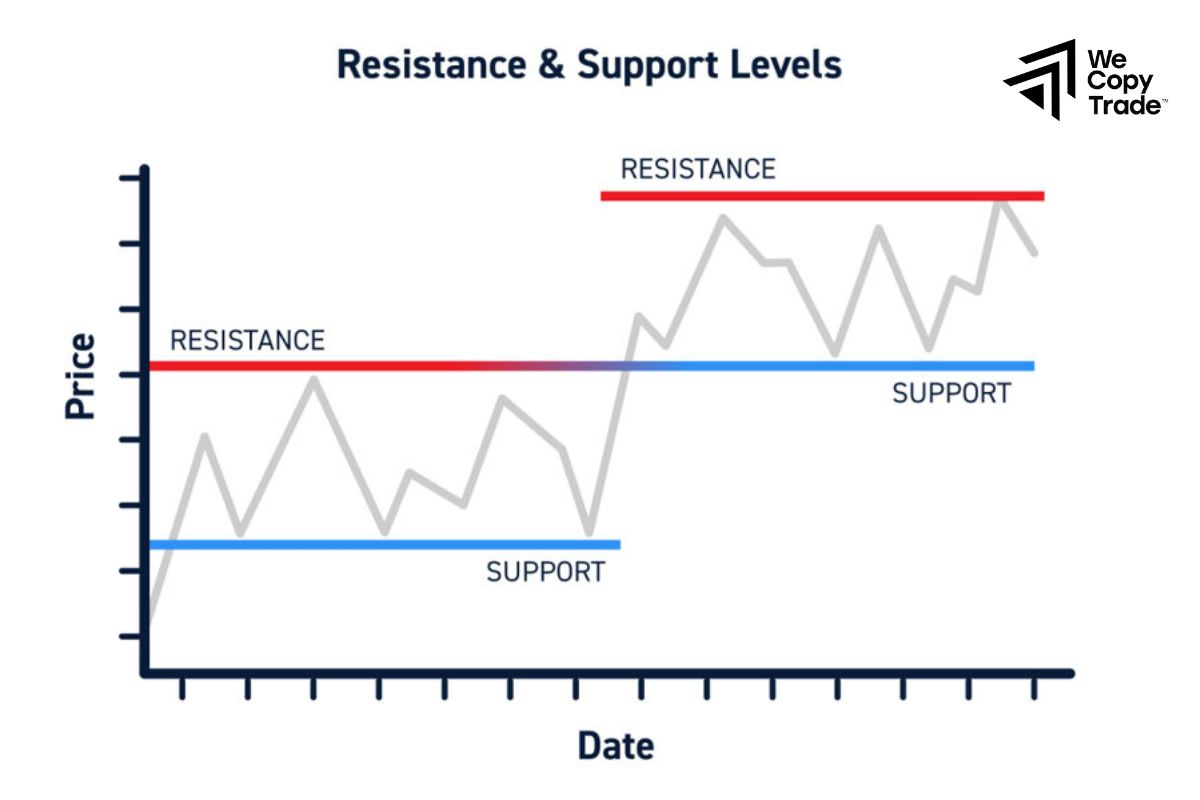
Breakout Trading Strategy
Trades are made when the price breaks out of resistance and support levels, signaling the formation of a new trend. Specifically, watch the price fluctuate within a certain range for a period of time. When the price breaks the upper or lower boundary of the range, it is a buy or sell signal.
End-of-Day Trading Strategy
Important information is often released at the end of the trading session, causing the price to fluctuate. Use the late-day fluctuations to make decisions. First, monitor price movements throughout the day to make predictions about the next trading session. Then open or close positions in the last minutes of the trading session.
For example, if the price of an index drops sharply throughout the day but recovers at the end of the session, it could be a signal that there is increasing buying pressure and you could consider opening a long position at the beginning of the next trading session.
Conclusion
In conclusion, indices trading is an effective and accessible way of investing for both new and experienced investors. By understanding how to use MT5 for indices trading, you can make informed investment decisions and build a diversified portfolio.
See more: