












In the fast-paced world of forex trading, Currency Pair Trading Analysis is the key to making well-informed decisions. Whether you’re a beginner or a seasoned trader, analyzing major and exotic currency pairs ensures you capitalize on the best opportunities. Start your trading journey with the right tools and knowledge! Get started with expert currency pair trading analysis now!
What is Currency Pair Trading?

Currency Pair Trading is a fundamental concept in forex trading, where one currency is exchanged for another. A currency pair represents the value of one currency relative to another. Traders buy or sell pairs based on their analysis of which currency will strengthen, appreciate or weaken depreciate against the other.
See now:
- How To Optimize The Power of Automated Trading System Easily
- Which Types of Currency Pairs Are The Best For Trading?
- All About Arbitrage Strategy Every Trader Must Know
Why Do Currency Pair Trading Analysis?
Currency pair trading analysis is extremely important for forex investors because it helps make accurate and effective decisions. First, analysis helps identify potential trading opportunities by understanding price trends, volatility, and economic factors. Second, it allows traders to manage risks more effectively by predicting market fluctuations, enabling them to set stop-loss orders and minimize losses. Third, currency pair trading analysis helps traders capture market trends, from short-term to long-term, to take advantage of the best buying or selling opportunities.

In addition, analysis allows investors to respond promptly to global events such as economic reports, monetary policies, and political changes, which strongly influence currency exchange rates. Finally, analyzing currency pairs helps build a solid trading strategy, thereby increasing profitability and maintaining long-term stability. Therefore, currency pair trading analysis is the key to successful trading and effective risk management in the volatile forex market.
Types of Currency Pairs to Trade
In forex trading, currency pairs are categorized based on their trading volume, liquidity, and economic significance. Here are the main types of currency pairs:
Major Currency Pairs
These are the most traded pairs globally, involving the U.S. dollar (USD) and other major currencies. They are highly liquid, have lower spreads, and account for the majority of forex trading.
- Examples: EUR/USD, GBP/USD, USD/JPY, USD/CHF
Minor Currency Pairs
Minor pairs, also known as cross-currency pairs, do not include the U.S. dollar but feature major global currencies like the Euro, Yen, or Pound.
- Examples: EUR/GBP, GBP/JPY, AUD/NZD
Exotic Currency Pairs

These pairs include a major currency paired with a currency from an emerging or smaller economy. Exotic pairs have lower liquidity, wider spreads, and higher volatility.
- Examples: USD/TRY (U.S. Dollar/Turkish Lira), EUR/SEK (Euro/Swedish Krona), USD/ZAR (U.S. Dollar/South African Rand)
Regional Currency Pairs
These pairs focus on specific regions, like Asia-Pacific or Europe, often reflecting economic relationships within the region.
- Examples: AUD/JPY (Australian Dollar/Japanese Yen), EUR/NOK (Euro/Norwegian Krone)
Key Methods for Currency Pair Trading Analysis
To succeed in forex trading, analyzing currency pairs effectively is essential. Here are the key methods for Currency Pair Trading Analysis that traders use to make informed decisions:
Technical Analysis
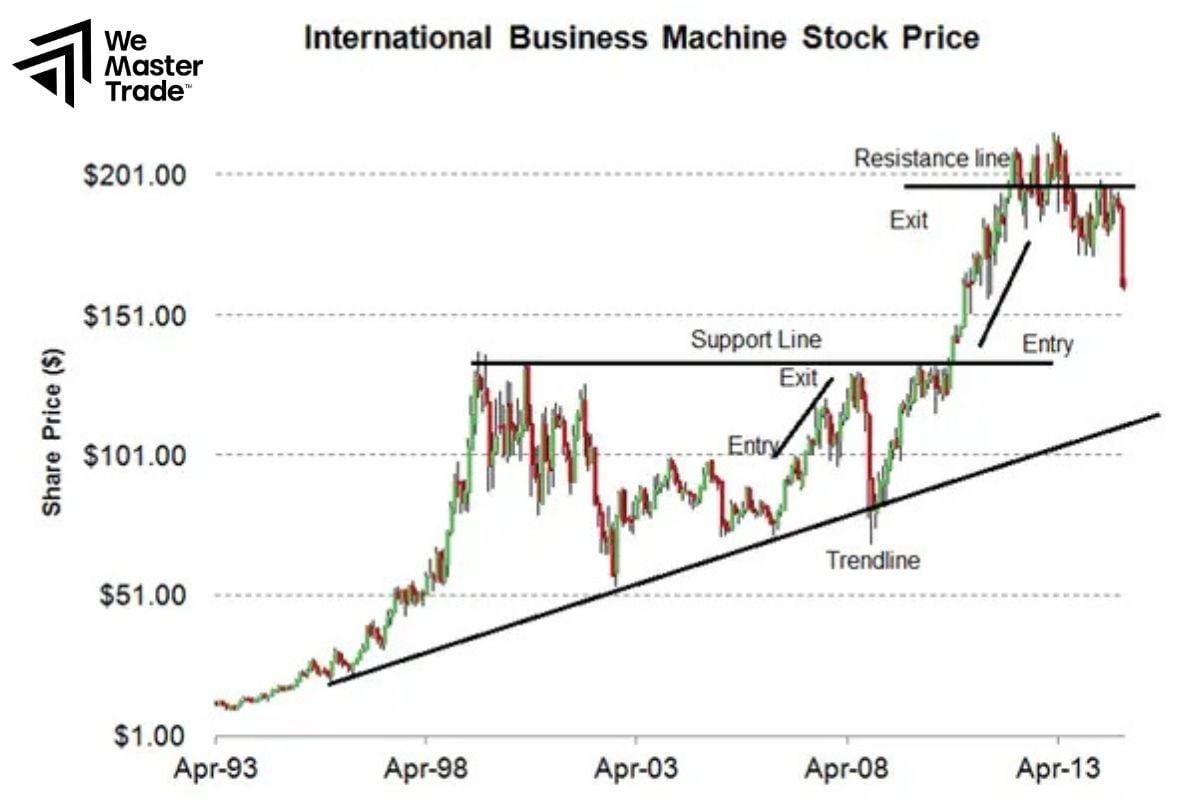
Technical analysis involves studying price charts and historical data to predict future movements. Traders use tools and indicators like:
- Support and resistance levels to identify key price zones.
- Moving averages to spot trends.
- Candlestick patterns to determine entry and exit points.
- RSI and MACD indicators for momentum and trend strength analysis.
Fundamental Analysis
Fundamental analysis focuses on economic data, geopolitical events, and central bank policies that influence currency values. Key factors include:
- Economic indicators: GDP, inflation rates, and employment data.
- Interest rates: Decisions by central banks (e.g., the Federal Reserve).
- Political stability: Elections, trade policies, or conflicts.
Sentiment Analysis

This method examines market psychology and trader behavior to gauge the overall mood in the forex market. Traders use tools like:
- COT reports to see positioning.
- Market sentiment indicators to measure buying vs. selling pressure.
Correlation Analysis
Currency pairs often move in correlation (positive or negative). Understanding these relationships helps traders:
- Diversify their positions effectively.
- Avoid overexposure to correlated trades.
- Predict movements of one pair based on another’s performance.
How to Analyze Currency Pairs Step-by-Step
To trade forex effectively, following a structured approach to analyze currency pairs is essential. Here’s a step-by-step guide to help you:
Step 1: Choose a Currency Pair
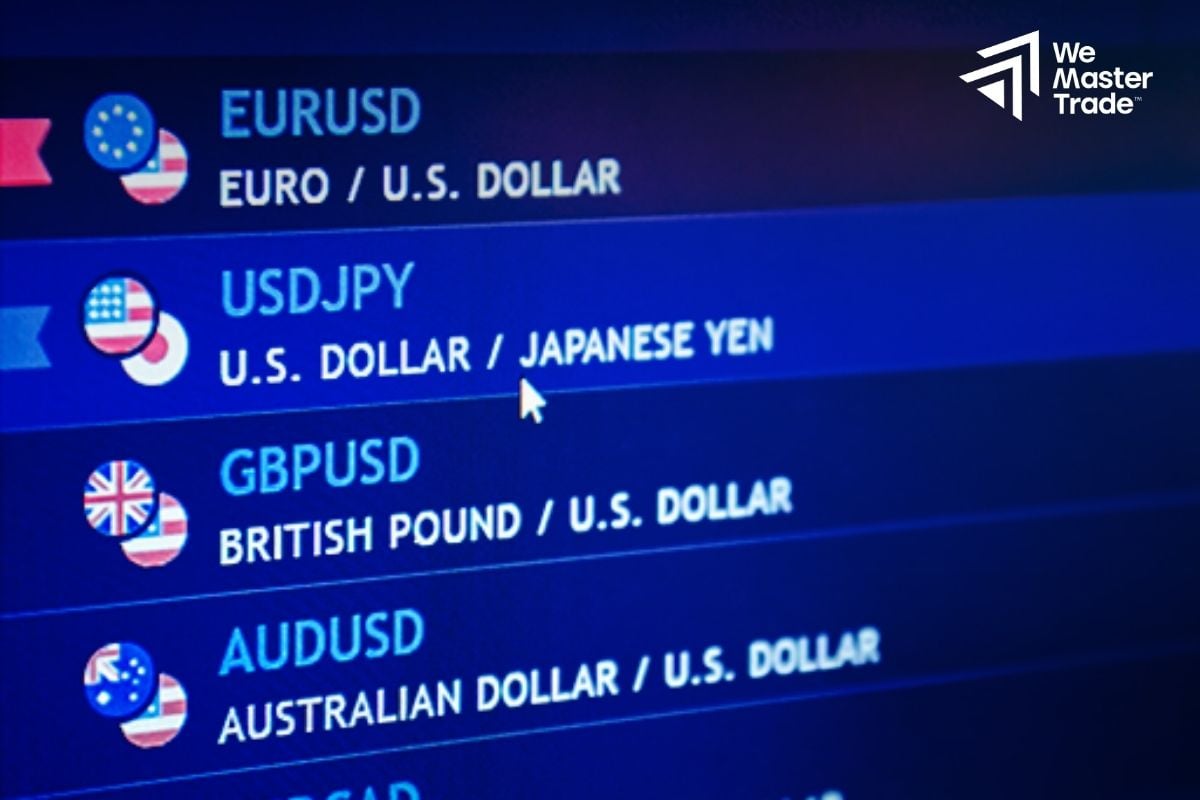
Start by selecting the currency pair you want to trade. Focus on:
- Major pairs like EUR/USD or GBP/USD for stability and liquidity.
- Minor or exotic pairs for volatility and higher profit potential. Pick a pair that matches your trading style and market familiarity.
Step 2: Use Technical Indicators
Analyze the price movements using technical tools to identify trends and entry/exit points. Popular indicators include:
- Moving Averages to spot trends.
- Relative Strength Index to measure overbought/oversold conditions.
- Support and Resistance Levels to identify price zones where reversals may occur.
Step 3: Follow Economic News
Stay updated on key economic events and reports that impact currency values:
- Economic data: GDP, employment reports, inflation rates.
- Interest rate decisions: Central bank announcements.
- Geopolitical events: Elections, policy changes, or conflicts. Check economic calendars to anticipate news that may trigger volatility.
Step 4: Observe Market Sentiment

Analyze the mood of the market to understand what other traders are doing:
- Use COT Reports to gauge institutional positions.
- Observe the buy/sell ratio to detect whether sentiment is bullish or bearish.
Market sentiment often drives trends, especially during high-impact news events.
Step 5: Create a Trading Plan
Build a solid plan to guide your trades based on your analysis:
- Define entry and exit points using technical and fundamental insights.
- Set stop-loss and take-profit levels to manage risk.
- Maintain discipline by following your plan and avoiding emotional decisions.
Common Mistakes to Avoid in Currency Pair Trading Analysis
Currency pair trading analysis can be profitable, but mistakes can quickly derail your success. Here are the most common pitfalls to avoid:
- Lack of a Trading Plan: Trading without a clear plan often leads to impulsive decisions and unnecessary risks. Always set entry and exit points, define stop-loss and take-profit levels, and stick to your strategy.
- Ignoring Risk Management: Many traders risk too much on a single trade or neglect stop-loss orders. Proper risk management ensures you limit potential losses while protecting your capital.

- Overleveraging: Using excessive leverage may amplify profits but also magnifies losses. Avoid overleveraging to protect your account from quick wipeouts during volatile movements.
- Trading Too Many Pairs: Diversifying is good, but trading too many currency pairs simultaneously can overwhelm you. Focus on a few pairs you understand well to make better-informed trades.
- Chasing Losses: Trying to recover losses by entering impulsive trades often results in bigger losses. Accept a loss, analyze what went wrong, and stick to your plan.
Conclusion
In conclusion, Effective Currency Pair Trading Analysis is the cornerstone of successful forex trading. Avoid common mistakes such as lack of planning or overleveraging, and stay disciplined with your strategy.Don’t leave your trades to chance take control of your trading future. Start mastering Currency Pair Trading Analysis today and unlock your full potential in the forex market.
See more: