












Trading in the forex market brings many opportunities, but it also comes with significant risks. Many traders only focus on finding entry points and forget the vital factor: forex account protection. In fact, risk management and limitation skills are what help you survive in the market, especially in the context of increasingly fast and accessible trading like today. Follow the following article
Why is Forex Account Protection Essential?

The forex market is not only large, it is also incredibly fast. With over $7.5 trillion traded every day and operating 24 hours a day, it offers countless opportunities… but also significant risks.
- High liquidity makes it easy to enter/exit orders.
- High leverage allows you to trade with small amounts of capital.
However, these two factors are a “double-edged sword”. Without a clear risk management plan, the above advantages can quickly turn into great risks.
An emotional decision. An order without a stop loss. A sharp move. That’s all it takes to “evaporate” your account in just a few minutes.
Therefore, forex account protection isn’t an option; it’s a mandatory step if you want to maintain stability and continue learning in a volatile trading environment.
See now:
- Useful Prop Firm Success Tips For Traders
- Strategy to Optimize Prop Firm Investment Decisions
- Prop Firm Emotional Control Secret And Stay Mentally Stable
Risks to Consider Before Trading
To effectively protect your trading account, traders need to understand the following causes to have effective countermeasures:
Market Speed and Emotional Risk
When trading moves too fast, it’s easy to lose emotional control. The mindset of “revenge trading,” “making up for losses,” or “increasing volume after a winning streak” is a surefire way to lose discipline. When emotions take over, your ability to apply a systematic strategy for forex account protection disappears.
Using Excessive Leverage
Leverage is a double-edged sword. Used correctly, it helps you optimize your capital. Used incorrectly, just a small fluctuation can blow up your account. Using leverage without a clear stop is the leading cause of account burnout.
Not Measuring Trading Probability
Trading without a clear advantage is like placing a blind bet. Use technical or fundamental analysis to find entry points with a probability of success greater than 50%.
If you don’t know why you’re entering a trade, it’s best not to trade at all. This is a crucial principle for forex account protection from mindless, high-risk trades.
Increasing Volume Based on Emotions
One of the fastest ways to destroy an account is to increase your lot size after a few consecutive wins or losses without a system to control it.
It is best to maintain a stable volume within the acceptable risk level, unless you have a sustainable profitable streak and are confirmed by real data.
Strategies to Protect Your Forex Account
Set a Risk Limit on Each Trade
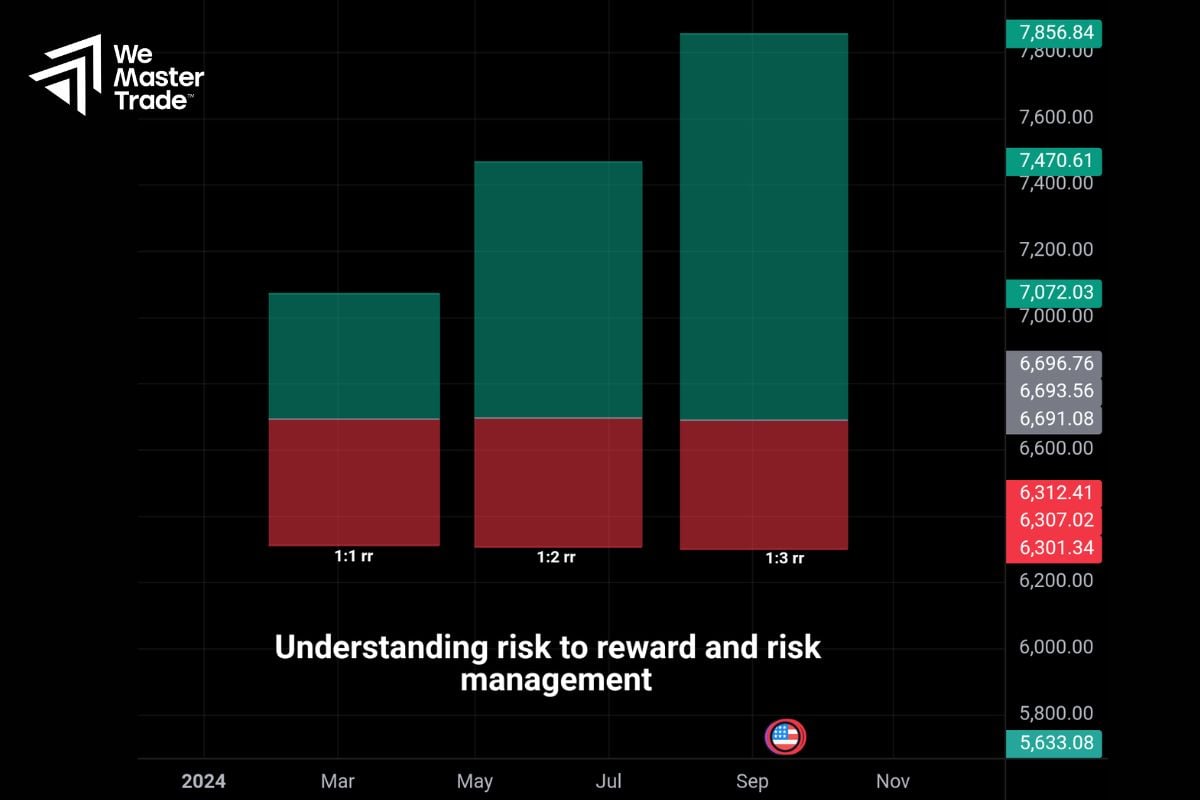
A common rule of thumb is to not risk more than 2% of your account capital per trade.
For example: if you have $5,000, your maximum risk should be $100 per trade. This ensures that you can lose 50 times in a row and still have enough capital to survive and adjust your strategy.
This is the fundamental building block of forex account protection at the tactical level.
Use Stop Losses Disciplined
Without a stop-loss, there is no protection. A volatile market can wipe out your account if there is no specific loss limit.
Always set your stop loss based on technical analysis, not on emotion. And more importantly: Stick to it, do not move your stop loss when the price goes against your expectations.
Understand Speculation and Gambling
Many traders confuse calculated speculation with gambling. The difference lies in the ability to measure risk. A speculator knows how much they can lose and accept it before placing an order. This is how they achieve forex account protection through a disciplined mindset rather than relying on emotion.
Keep a Trading Journal
Recording every order: the reason for placing the order, emotions when trading, results… helps you look back and evaluate yourself objectively. This is an effective method to identify bad habits – the silent cause of uncontrolled account decline.
Tools to Support Forex Account Protection
Protecting a trader’s account will be easier if you know the following support tools:
Trade Volume Calculator
Software such as Position Size Calculator allows you to calculate the order volume appropriate to the acceptable risk level. This is a necessary step to avoid placing too large an order, putting pressure on the account.
Automated Stop Loss or Trailing Stop
Trailing Stop is a tool that helps you move the stop loss according to the price trend, thereby “locking” partial profits while still maintaining the position.
Combining a fixed stop-loss with a trailing stop is a proactive way to ensure forex account protection even when the market moves unexpectedly.
Frequently Asked Questions About Forex Account Protection
What should a new trader prioritize to protect their account?

For beginners, the important thing is not to make a profit, but to keep the account as long as possible. Focus on risk management skills, use small volumes and only trade with a clear system.
Should you use high leverage?
Not if you are inexperienced. High leverage is a double-edged sword. Although it can bring big profits, it is also a common reason why many accounts “burn” in a few minutes. The lower your leverage, the higher your chances of achieving forex account protection.
When to stop trading?
If you have just experienced a series of losing orders, or are overwhelmed by emotions (anger, wanting to “recover” …), you should stop. Trading in a negative emotional state is the biggest enemy of effective account management.
Conclusion
In short, forex account protection must be your top priority in any trading strategy. You can’t control the market, but you can definitely control your risk. Through principles like loss limits, volume management, trading journaling, and discipline, traders can improve their chances of surviving and thriving in the market over the long term.
See also: