












In forex trading, there is one element that every trader, from novice to professional, needs to understand clearly: the exchange rate. This is the basis not only for pricing currency pairs but also has a profound impact on trading strategies, technical analysis and risk management.
This article will help you master the concept, how it works and how to use exchange rates in financial trading in an easy-to-understand, detailed and in-depth way, suitable for all types of traders.
What is Exchange Rate?
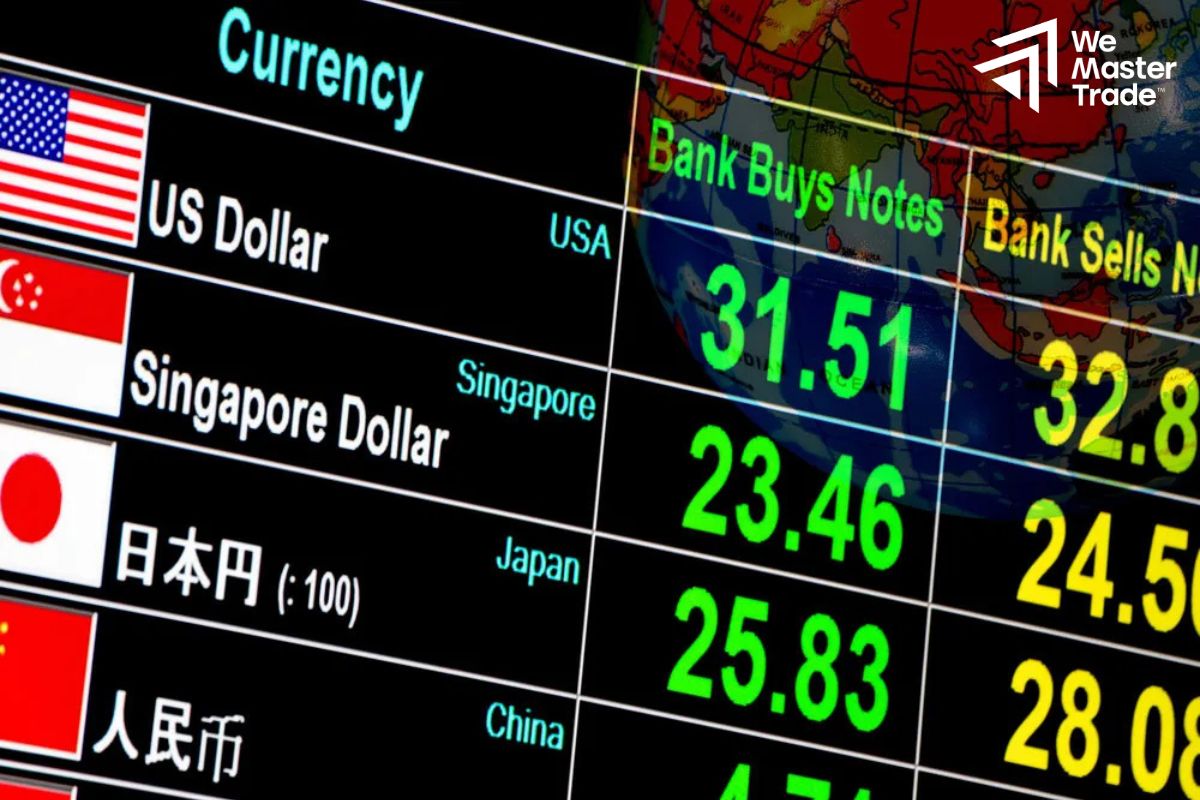
The exchange rate is the price of one currency when converted into another. For example, if 1 EUR = 1.17 USD, it means that to buy 1 Euro, you need to spend 1.17 USD.
This exchange rate is determined based on the supply and demand of the global foreign exchange market and is influenced by many economic, political and financial factors.
See now:
- Prop Firm Investment Tips to Maximize Trading Opportunities
- Prop Firm Investor Experience & Valuable Lessons
- What is Interest Rate Forex? Understanding Interest Rates in Trading
- What is Drawdown Index? How to Understand to Control Trading Risk
Common Types of Exchange Rates
Bid Rate – Ask Rate (Bid/Ask)
- Bid Rate: The price at which the market/exchange is willing to buy a currency.
- Ask Rate: The price at which the market/exchange is willing to sell a currency.
The difference between these two rates is called the “spread” – and this is the indirect cost that traders have to pay when opening an order.
Spot Exchange Rate
This is the exchange rate that is applied for immediate or two-day transactions. This is the most common type of exchange rate in forex trading.
Forward Exchange Rate
The exchange rate agreed upon today for a transaction that will be executed in the future. Forward exchange rates are used to hedge against exchange rate fluctuations.
Factors Affecting Exchange Rates
Here are the main factors that affect exchange rate movements,
Central Bank Interest Rates
A change in interest rate policy is one of the most important factors. A country with higher interest rates often attracts more investment flows, thereby causing the currency to appreciate.
Economic Growth
GDP, industrial production, retail sales and consumer confidence all influence exchange rates. A healthy economy makes a country’s currency more attractive to international investors.
Inflation
High inflation rates often cause a country’s currency to depreciate against other currencies. Conversely, low inflation can help maintain a more stable currency value.
Political Volatility
Elections, conflicts, and political crises can destabilize and weaken a currency due to increased risk and capital flight from that country.
Applications of Exchange Rates in Forex Trading
Exchange rates are the core element of forex trading. Let’s learn more about their applications below:
Currency Pair Pricing
Each currency pair in the forex market such as EUR/USD, GBP/JPY relies on exchange rates to determine the buying and selling prices. Understanding the factors that affect exchange rates helps traders predict price trends.
Setting Stop Loss and Take Profit Levels
Based on exchange rate fluctuations, traders can identify support and resistance zones to set appropriate stop losses or take profits. Exchange rates are the basis for calculating pips, the value of each pip, thereby managing risks more effectively.
Exchange Rates and Trading Strategies
Economic News Trading
Fundamental traders often take advantage of economic news such as interest rate announcements, CPI indexes or employment data to predict the impact on exchange rates and open orders according to market reaction trends.
Trend Trading
Exchange rates reflect capital flows and market sentiment. Analyzing exchange rate trends on technical charts (trendlines, moving averages, RSI) helps determine favorable entry points and limit the risk of unexpected reversals.
Notes When Monitoring Exchange Rates
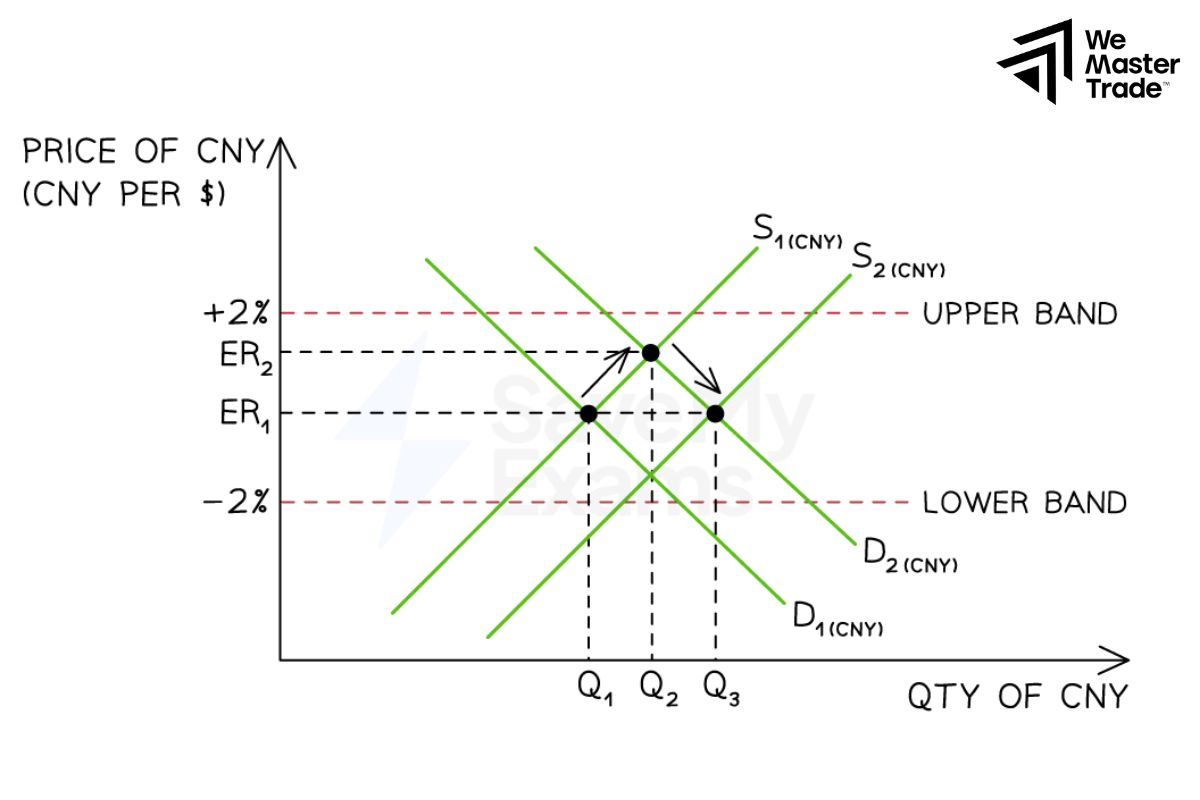
Interbank Rates Are Not Actual Trading Rates
The rates you see on financial sites are reference rates, which may differ from the rates applied at banks or exchanges. Always check the details of the spreads and hidden fees before making a transaction.
Real-Time Updates
The exchange rates change every second. For short-term traders or scalpers, real-time exchange rate updates are of utmost importance.
Do Not Trade Based on Rumors
Exchange rates are easily affected by unconfirmed rumors, especially during political events, wars, or statements from central bank officials. Always trade based on authentic data and thorough analysis.
Use Margin Cautiously
Volatile exchange rates can cause rapid losses if you use too much leverage. Use only within your controllable leverage and always have a clear stop loss.
Diversify Your Currency Pairs
Do not put all your capital into a single currency pair. Reasonable allocation across multiple currency pairs with appropriate correlation helps limit the risk from unexpected fluctuations of a specific exchange rate.
Conclusion
In short, exchange rates play a core role in the forex market and many global financial activities. For a serious trader, understanding the nature, influencing factors and applications of exchange rates not only helps make more accurate decisions but also significantly reduces risks.
See more: