













Prop firm emotional control is one of the key factors that determine the success or failure of a trader. In the prop firm environment – where discipline is highly required, risk limits are strict, and profit targets are clear – just one moment of inattention can cost you your entire account. So how do you stay calm when facing a losing streak, or not get caught up in the euphoria after a few wins? This article will help you understand the importance of prop firm emotional control and practical ways to practice this skill.
The Importance of Prop Firm Emotional Control
In the prop trading world, you trade not only with money – but also with the trust of the funding company. This creates much more pressure than trading with a personal account. An uncontrolled decision can cause you to lose the opportunity to be funded permanently, or have to start over.
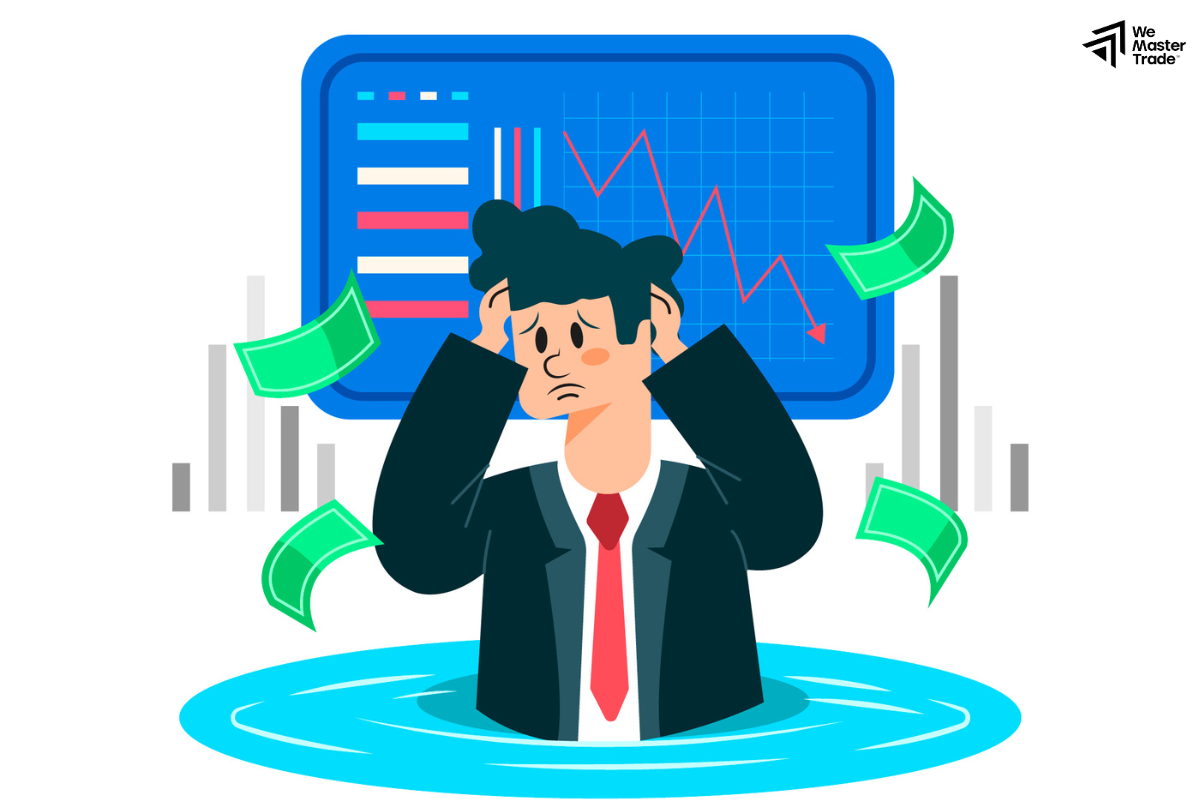
Emotions – whether fear, greed or anger – can distort judgment. And if you cannot control them, emotions will control you. That is when actions such as holding orders, revenge trading, increasing volume emotionally… start to appear and drag you into a losing spiral.
Prop firm emotional control is a barrier to protect traders from market fluctuations. This is not only a skill, but also the foundation of professional trading thinking.
See more:
- Prop Firm Finance Trend Unlocks New Investment Opportunities
- Follow prop firm experts to increase success rate
- Top 5 Ways to Choose a Reliable Prop Firm for New Traders
- 10+ Prop Firm Successful Trading Skills Traders Need
Psychological Traps When Trading Prop Firms
In the journey to conquer prop firms, traders can easily fall into invisible psychological traps. Here are three typical manifestations:
Pressure to Overcome Challenges
Many traders are so eager to overcome Phase 1 – Phase 2 that they force themselves to trade continuously, regardless of discipline. This not only increases the probability of loss but also leads to a state of prolonged psychological stress.
Psychological Traps When Making Profits
After reaching the profit target, traders often fall into a state of excessive excitement. They easily increase volume or place orders without control, breaking the principles of capital management and causing their achievements to be wiped out.
Fear From a Losing Streak
When losing consecutive orders, traders easily fall into a state of panic and disorientation. At this time, decisions often come from emotions, no longer based on logical analysis, leading to more serious consequences.
Strategies for Effective Prop Firm Emotional Control
Prop firm emotional control is a long-term discipline that you can’t rush. However, there are some practical strategies you can apply to improve every day.
Build Clear Trading Rules
Set specific limits: number of trading orders per day, maximum risk limit, time to stop. Making rules a habit will help you avoid making decisions based on temporary emotions.
Record Emotions in a Trading Journal
Don’t just record technical parameters. Describe your emotions when entering and exiting orders, your psychological state after each trading session. This is the best way for you to identify negative emotional patterns and gradually adjust over time.
Stop Trading When You Lose Control
When you feel mentally unstable, don’t hesitate to stop. Give yourself time to rest, review the entire strategy and only return to the market when you are mentally ready.
Tools to Help Maintain Your Prop Firm Emotions
Beyond personal strategies, you can use these tools to better support your prop firm emotional control:
Pre-Trade Checklist
A checklist that includes questions like: “Am I following the plan?”, “Are my current emotions stable?”, “Is this order within the risk management zone?”… will help you avoid emotional decisions.
Evaluate Performance by Emotion
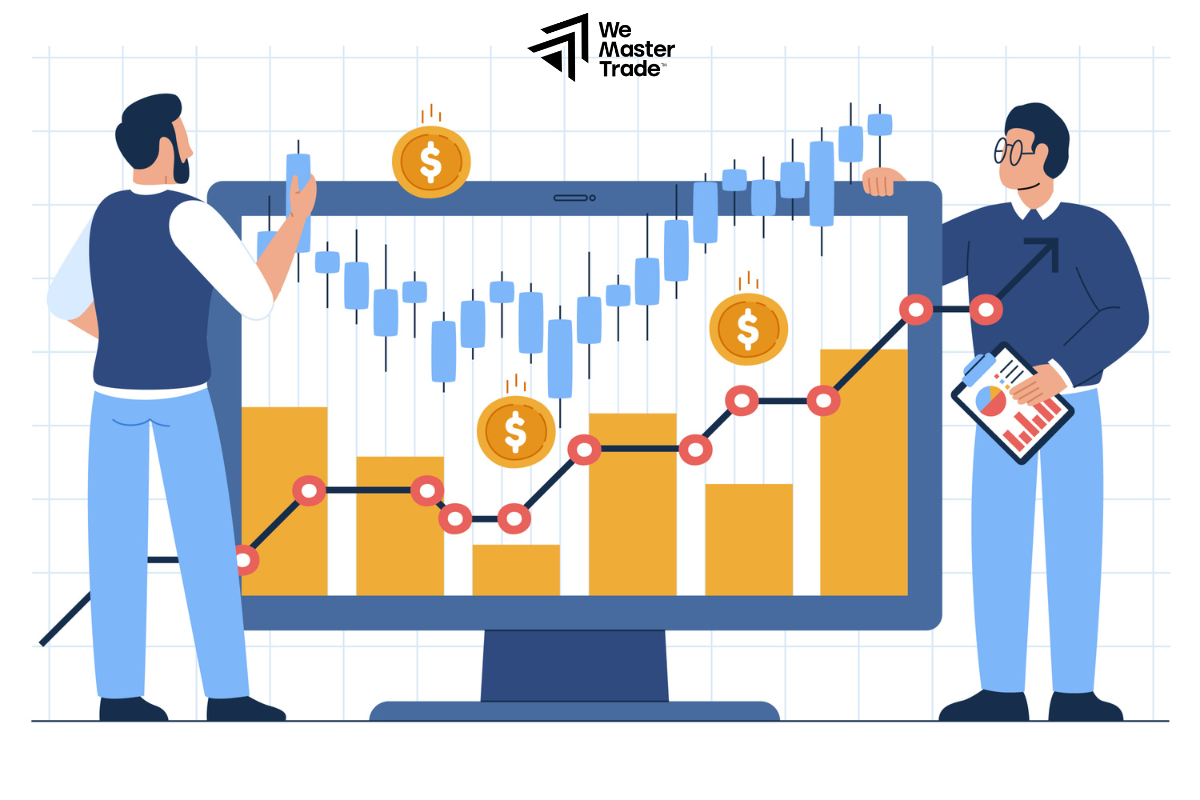
Try to record your trading results by mood: which day did you win the most – what was your mentality? Which day did you lose a lot – what was your emotion? From there, you will know what is the best psychological state to place orders.
Optimize Your Trading Environment
The trading space greatly affects your emotional state. Make sure the environment is quiet, the light is pleasant, and there are no distractions from social networks or disturbing news. This helps you focus and stabilize your mind.
Emotional Control Is Not Emotional Suppression
One of the biggest misconceptions is that prop firm emotional control means you have to “repress” your feelings. This isn’t true. As a human, you have the right to feel fear, joy, sadness, or anger. The issue is whether you can identify the emotion and prevent it from controlling your trading behavior.
A good trader is someone who knows how to regulate emotions, knows when to retreat – when to advance. They don’t let a series of winning orders make them complacent, nor do they let a few losing orders make them collapse.
Conclusion
In short, prop firm emotional control is a vital skill for any trader pursuing a professional path. This is the foundation that helps you stay alert, overcome fluctuations and reap sustainable results. Don’t wait until you experience losses to learn how to control your emotions – start practicing today.
See more: