













Pending orders are essential in both e-commerce and financial transactions, allowing buyers and sellers to streamline transactions without immediate action. Therefore, understanding how to manage and optimize pending order can improve efficiency, reduce delays, and help businesses and traders achieve smoother operations. Stay tuned!
What are Pending Orders?
Pending orders refer to instructions placed in advance to buy or sell goods, services, or financial assets at a later time, once specific conditions are met. In e-commerce, pending orders occur when a customer has placed an order, but it has not yet been processed, confirmed, or shipped. These orders often await payment verification or stock availability before moving to the next stage.
In financial trading, especially on platforms like MetaTrader, pending orders allow traders to automate trades. They set specific price points at which an order will be executed in the future, making it easier to take advantage of market movements without constant monitoring.
In both contexts, pending orders are a crucial feature for improving operational efficiency and helping users manage transactions effectively.
See now:
- The most effective way to master a live account in stocks
- What is a Demo Account? How to Choose an Account in Forex
- Instructions how to use the Economic Calendar updated daily
Types of Pending Orders
Types of Pending Orders vary depending on the context, primarily between e-commerce and financial trading. Here’s an overview of the key types in each area:

Types of Pending Orders in E-commerce
- Awaiting Payment: Orders placed but not yet paid for. The customer may need to complete payment, and the order remains pending until confirmation.
- Awaiting Fulfillment: Payment has been completed, but the order is pending processing or shipping. This could be due to stock availability or internal processing times.
- Backordered: The item is out of stock, and the order is pending until the stock is replenished.
Types of Pending Orders in Financial Trading (e.g., MetaTrader)
- Buy Stop: A pending order to buy an asset once its price rises to a specified level.
- Sell Stop: A pending order to sell an asset once its price drops to a specific level.
- Buy Limit: A pending order to buy an asset at or below a certain price, set below the current market price.
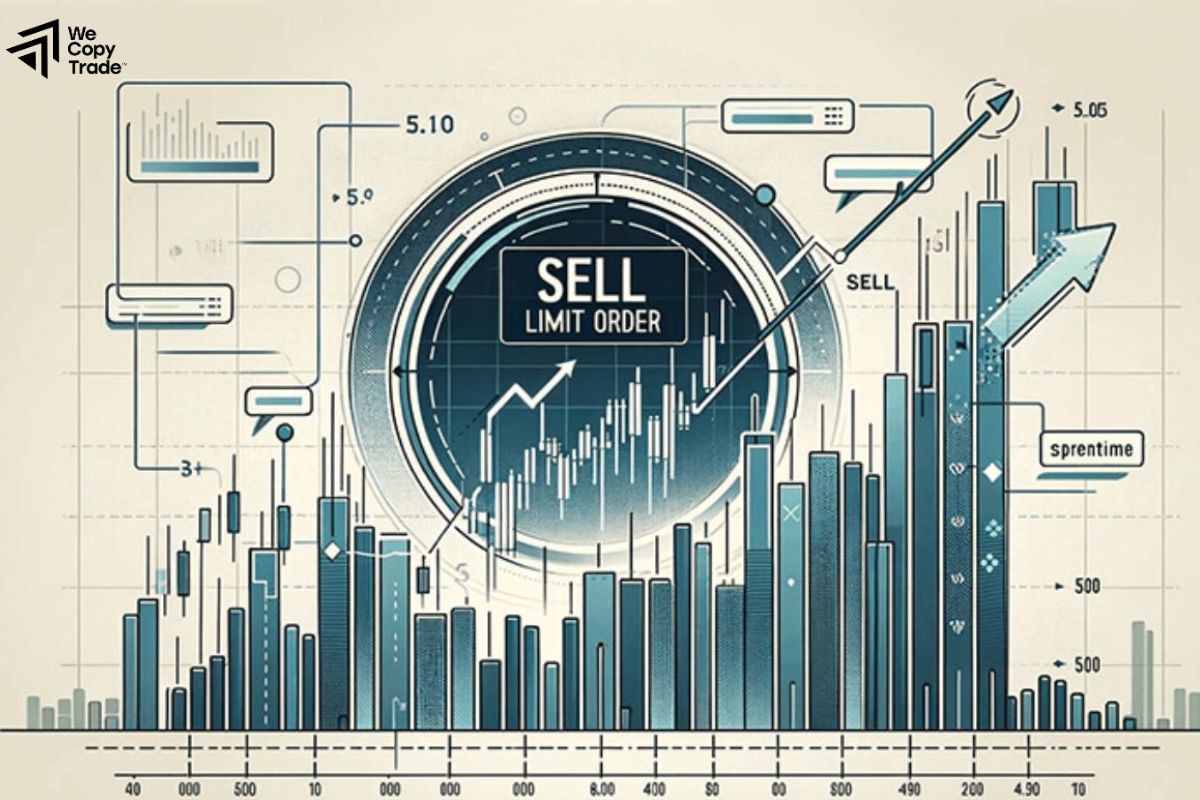
- Sell Limit: A pending order to sell an asset at or above a specific price, set higher than the current market price.
Advantages of Pending Orders
Advantages of Pending Orders make them highly valuable in both e-commerce and financial trading. Here are the key benefits:
For Pending Orders in E-commerce
- Better Inventory Management: Pending orders allow businesses to manage stock more effectively, ensuring that orders are processed once items are available, reducing overselling.
- Streamlined Order Processing: Orders are automatically queued for fulfillment, helping to improve efficiency and reduce manual intervention.
- Improved Customer Experience: Customers can place orders even if items are out of stock, with the order processed once the product becomes available, boosting satisfaction.
For Pending Orders in Financial Trading
- Automation of Trades: Traders can automate their buying and selling decisions, making it easier to capitalize on market movements without constantly monitoring the market.
- Risk Management: Pending orders help manage risk by setting predetermined entry and exit points, ensuring trades are executed based on specific price conditions.
- Increased Trading Flexibility: Traders can plan and execute strategies in advance, reducing the need for real-time decision-making during volatile market conditions.
How to process pending orders simply and effectively
Efficient order processing is essential to maintaining smooth operations in both e-commerce and financial transactions. Here is a simple and effective approach to managing and processing pending orders:
In e-commerce
- First, you should use an order management system (OMS) that automatically tracks and updates pending orders. This reduces manual errors and speeds up processing.
- Then, set up an automated payment verification process, ensuring that orders move from pending to confirmed status once payment is received.
- Regularly update inventory levels in real time to avoid delays. At the same time, automated inventory management tools can prevent overselling and ensure smooth processing of backlog items.
- Finally, send out regular status updates to customers, informing them of any delays or progress in fulfilling their orders. It is especially important to communicate clearly to build trust and improve customer satisfaction.
In financial trading
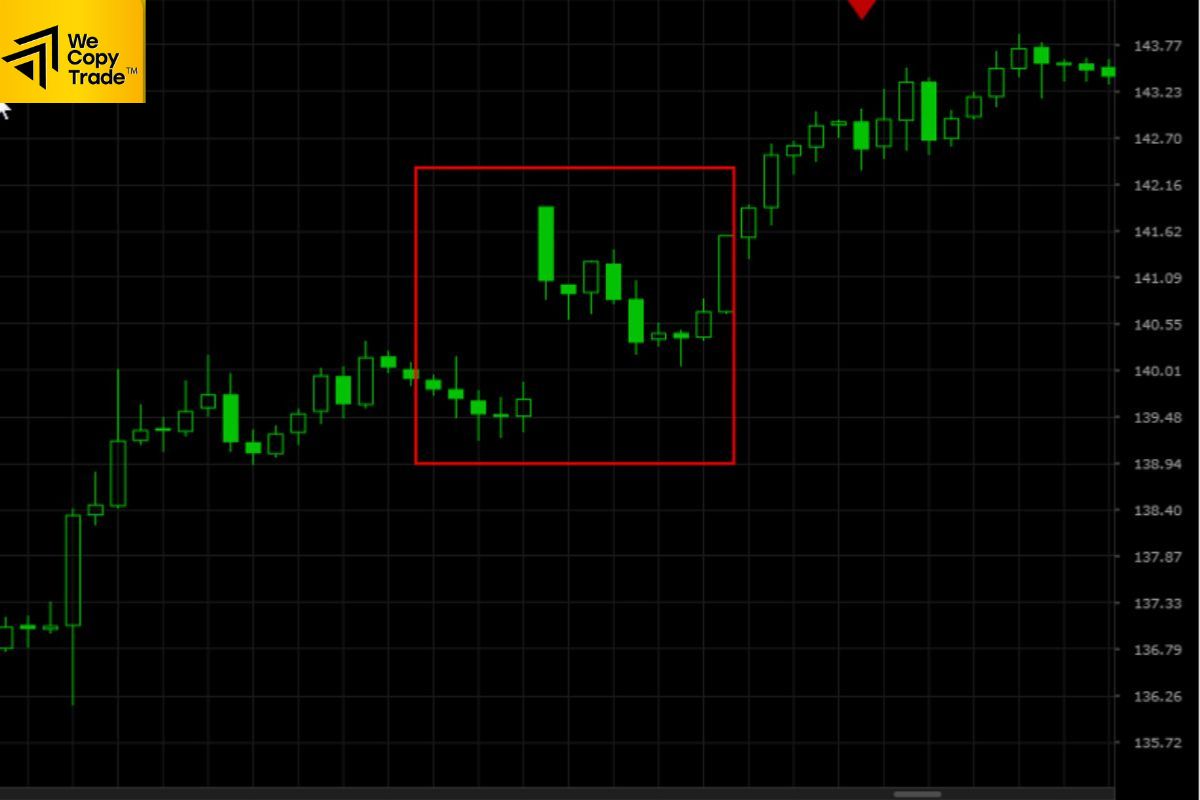
- For platforms like MetaTrader, set alerts and triggers to notify you when pending orders are about to be executed, helping you stay on top of your trades.
- At the same time, these tools help you automate your trading strategy by executing pending orders based on predefined conditions, reducing the need for constant monitoring.
- And check your pending orders regularly to adjust them according to market conditions, ensuring that your strategy remains effective.
How Long Does It Take for a Pending Order to Be Processed?
The time it takes for a pending order to be processed depends on the context:
- In E-commerce: It generally depends on payment confirmation, stock availability, and fulfillment speed. Payment methods like credit cards usually clear in minutes, while bank transfers can take days. Stock issues might delay processing from a few days to weeks, and shipping can take additional time based on the retailer’s procedures.
- In Financial Trading: Processing time varies with market conditions. Orders on platforms like MetaTrader are executed when specific price levels are reached. The speed can be almost instant or delayed due to market volatility and liquidity.
Conclusion
In conclusion, effectively managing pending orders is crucial for both e-commerce businesses and financial traders. So, by understanding the different types of pending order and addressing the associated challenges, businesses and traders can streamline their processes, enhance customer satisfaction, and improve trading efficiency. Whether you’re handling customer orders or executing trades, mastering the management of pending order is key to achieving operational success and better financial outcomes.
See more: