













Are you a beginner in investing and want to trade quickly? Market orders are the ideal tool for you! Learn how to use market orders to execute trades in the simplest and most effective way.
What Is a Market Order?
A market order is like going to the market to buy fresh fruit. You want to buy the best fruit right away and don’t care too much about the price. With a market order, the system will automatically find the best price for you to execute your order immediately.
Stock prices are always changing. The price you see on the board is what other people are buying and selling for. The highest bid is what buyers are willing to pay, the lowest ask is what sellers are willing to accept. When you place an immediate buy order, the price you pay will be closer to the current lowest bid, not necessarily the last traded price. Especially with stocks that are not traded much, the last traded price may be old and no longer accurate.
See more:
- The most effective way to master a live account in stocks
- What is a Demo Account? How to Choose an Account in Forex
- Instructions how to use the Economic Calendar updated daily
- What is a Central Bank? Its role in the economy 2024
How does it work?
Market orders are executed immediately when the market opens, but when you place an order after hours, you are leaving your trade unpredictable. Between trading sessions, stock prices can soar or fall due to a variety of factors such as news, events, or investor sentiment. So think carefully before deciding to place an order when the market is closed.
Advantages and disadvantages of market orders
Market orders are more than just a trading tool. Let’s take a closer look at some of the lesser-known aspects of this order type.

Advantages of market orders
- Fast execution: Orders are matched immediately, no waiting.
- Seize opportunities immediately: Suitable for unexpected price fluctuations.
- Guaranteed successful transactions: The probability of orders being filled is very high.
- Competitive prices: Always trade at the best price on the current market.
- Save time: No need to monitor and adjust orders constantly.
Disadvantages of market orders
- Slippage is inevitable
- Orders can only be executed when there are enough buyers/sellers
- Large trading volumes can cause slippage
Market and Limit Order
Choosing between a market order and a limit order is like deciding to buy an item in a busy department store. If you want the item right away, regardless of the price, you would choose a market order. However, if you want to find the best price, you would place a limit order and wait for the price to drop to your desired level. Both approaches have their pros and cons, depending on the market conditions and your investment goals.
When are market orders used?
Market orders are widely used in a variety of situations, to execute trades quickly and efficiently.
Liquidity and Urgency
Market orders are ideal for traders who need to execute trades quickly and flexibly, especially in highly liquid markets.
Day Trading
Day traders often choose market orders because they want to trade actively and flexibly. Immediate execution allows them to capture short-term price fluctuations
Large Volume Trading
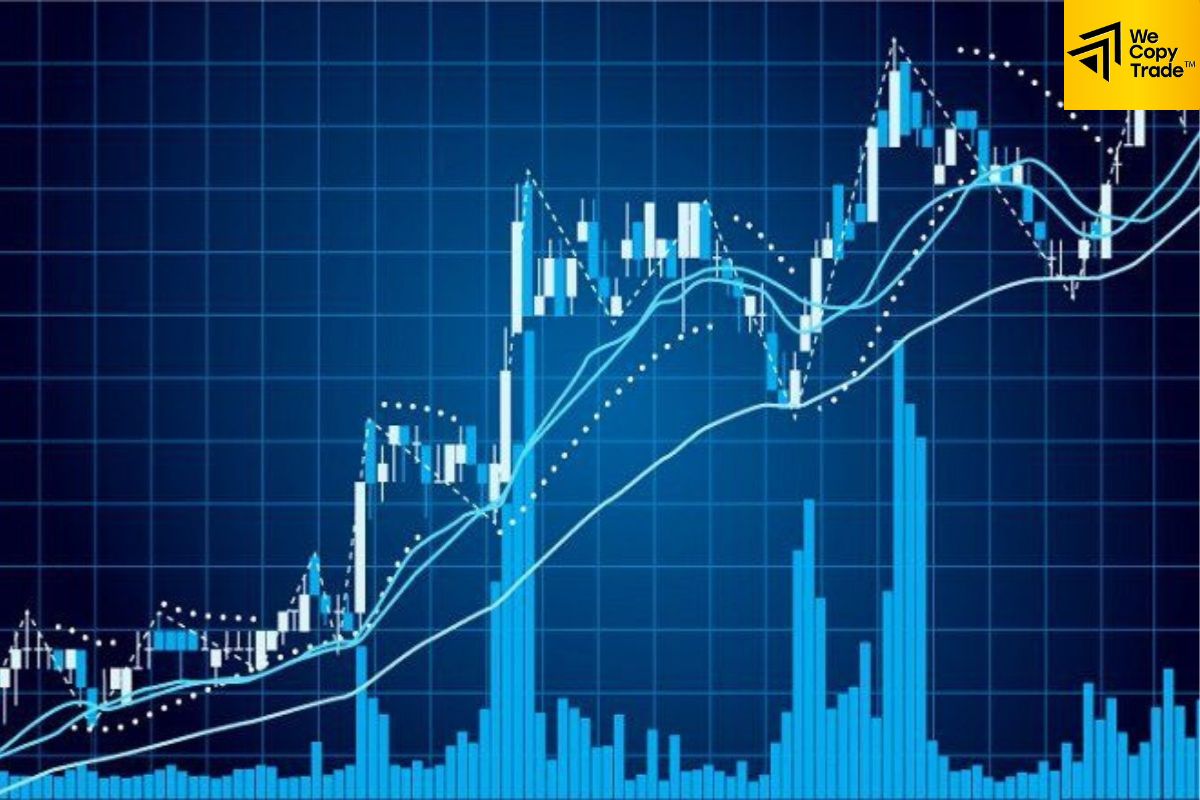
For large transactions, investors prefer to place market orders to execute transactions quickly. However, buying and selling a large amount of shares in a short period of time can cause market price fluctuations, leading to a situation where the matched price is higher or lower than the initial reference price.
Stop Order
In case the stock price touches the alarm level, the order will be triggered and the system will automatically execute the buy or sell transaction immediately, helping you to seize the opportunity or exit the position quickly.
Fast Moving Markets
In a fast moving market environment, market orders provide investors with the flexibility to quickly enter or exit a trade. However, executing market orders also carries the risk of slippage and unexpected price fluctuations.
Low Transaction Costs
When transaction costs are low, investors have more flexibility in using market orders. Not being so concerned about getting the absolute best price allows them to execute trades quickly and conveniently.
How to place a market order

Market orders work in a very simple way: if you want to buy, the system will find a seller willing to sell at the lowest price; conversely, if you want to sell, the system will find a buyer willing to buy at the highest price. However, you will have to accept buying at a price slightly higher than the lowest price that others are offering (the bid price) or selling at a price slightly lower than the highest price that others are buying at (the ask price).
Ready to conquer the market? Place a market order with just a few clicks:
- Create an account: Explore the world of trading today.
- Choose an asset: Thousands of options are waiting for you.
- Place a market order: Quickly execute a trade at the best current price.
- Protect your capital: Don’t forget to set a stop loss to control your risk.
- Transparent costs: We always ensure that all information about trading fees is clear.
Conclusion
Now that you have a better understanding of market orders, start building your own trading plan and practice on a demo account before investing real money. Start by placing small orders to get familiar with the market. As you gain more experience, you can move on to more complex order types.