












The economic calendar is an essential tool for traders and investors who want to stay updated on upcoming financial events that may affect market movements. Therefore, by following these scheduled events, users can predict market movements and adjust their strategies accordingly. Follow them now!
What is an Economic Calendar?
An Economic Calendar is a tool used by traders and investors to track important financial events, such as government reports, economic data releases, and monetary policy updates. These events often have a significant impact on financial markets, influencing stock prices, currencies, bonds, and commodities.

Key features of an economic calendar include:
- It lists upcoming events like central bank announcements (e.g., interest rate decisions), GDP reports, inflation data, employment statistics, and trade balances.
- The calendar shows the date and time of each event and which country it pertains to, helping users monitor global markets.
- Some calendars highlight the expected level of market impact (low, medium, high), signaling which events may cause volatility.
- Economic calendar often show prior results, the forecasted numbers, and the actual data when it’s released, enabling market participants to compare expectations with reality.
See more:
- What is a Demo Account? How to Choose an Account in Forex
- The most effective way to master a live account in stocks
- What is Financial News in Forex? How to Read New Effectively
Why is it Important for Traders and Investors?
An economic calendar is vital for traders and investors as it helps them prepare for market volatility caused by major events like interest rate decisions or GDP reports. Knowing these events in advance allows for better planning, timely decisions, and effective risk management.
Additionally, discrepancies between forecasted and actual data can create trading opportunities, making the calendar an essential tool for navigating market movements.
How the Economic Calendar Benefits Investors
The Economic Calendar offers several benefits to investors:
- Improved Timing: Investors can track key events like earnings reports, interest rate decisions, or GDP releases, helping them time their buy or sell decisions more effectively.
- Market Insights: The calendar provides insights into economic health, such as employment data or inflation rates, guiding investors in assessing market trends and potential investment risks.
- Portfolio Adjustment: By anticipating major economic events, investors can adjust their portfolios to either mitigate risk or capitalize on opportunities that arise from market reactions.
- Informed Long-Term Decisions: Monitoring long-term economic indicators, like consumer confidence or trade balances, allows investors to make more informed decisions about long-term investments.
- Diversification Strategy: An economic calendar helps investors identify growth opportunities in different sectors or regions, promoting smarter diversification of assets.
Steps to Use the Economic Calendar Effectively
Here are the steps to use the economic calendar effectively through the following 6 steps:
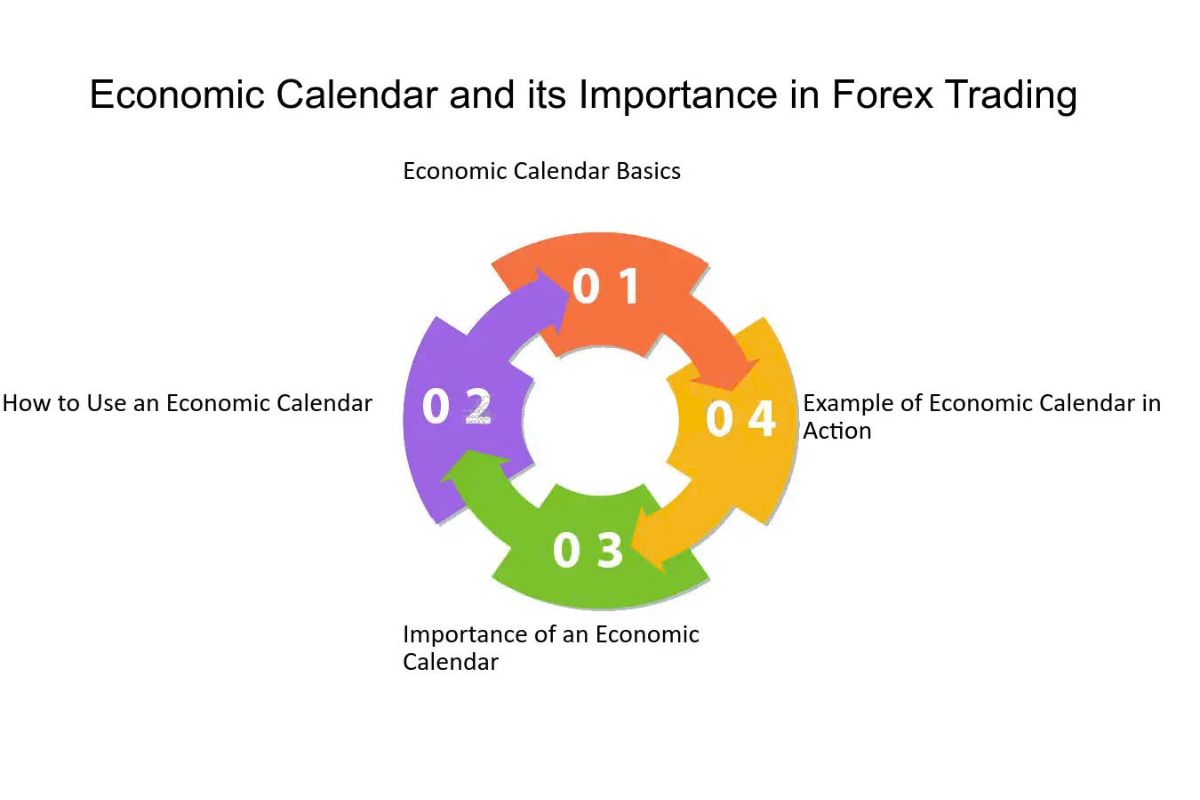
Step 1: Identify important events
First, choose events that can affect the market you are interested in, such as interest rate announcements, inflation reports, or employment figures.
Step 2: Remember the event time
Next, look at the date and time of important events so you can prepare in advance and avoid trading during times of high volatility.
Step 3: Understand the level of impact
In this step, pay attention to the level of impact of the event (low, medium, high). Focus on events that can create big changes in the market.
Step 4: Compare forecasts with actual results
After the event takes place, compare the forecast with actual results to see if the market has a surprising reaction or not.
Step 5: Plan Your Trade
Use the information from the economic calendar to adjust your trading strategy, such as deciding whether to buy or sell, place stop-loss orders, or take profits.
Step 6: Review Previous Events
Finally, review how the market has reacted to past events to better understand and predict future events.
Top Economic Calendar Tools for Traders and Investors
Here are some top economic calendar tools that traders and investors frequently use:
Forex Factory Calendar
- Detailed event listings, color-coded impact levels, and historical data.
- Provides a user-friendly interface with options to filter events based on importance and time zone.
TradingEconomics Calendar
- Extensive list of economic indicators, global coverage, and historical data.
- Offers an in-depth look at economic events and their historical impact, helping users understand long-term trends.
Bloomberg Economic Calendar
- High-quality news and economic data, customizable views, and expert analysis.
- Provides reliable and timely information with insights from financial experts, ideal for in-depth analysis.
MarketWatch Economic Calendar
- Updated economic events, impact analysis, and market forecasts.
- Integrates well with MarketWatch’s broader financial news and analysis, offering a comprehensive view of economic impacts.
Yahoo Finance Economic Calendar
- Easy-to-use interface, event notifications, and historical data.
- Provides a straightforward calendar with essential details, suitable for quick reference and daily tracking.
DailyFX Economic Calendar
- Real-time updates, economic indicators, and market impact analysis.
- Focuses on forex-related events and their potential impact on currency markets, making it useful for forex traders.
Conclusion
In conclusion, the Economic Calendar is essential for anyone in the financial market. Therefore, by keeping up with important events and indicators such as CPI and GDP, you can make better investment decisions and predict market changes and regularly check the calendar to help you stay ahead and seize opportunities more effectively in the future.