











Forex trading is a fascinating but challenging field. Many traders, from beginners to seasoned veterans, have made mistakes that led to unnecessary losses. Identifying and understanding these common forex trading mistakes is the first step toward improving your effectiveness and minimizing risk.
Why is it important to understand forex trading mistakes?
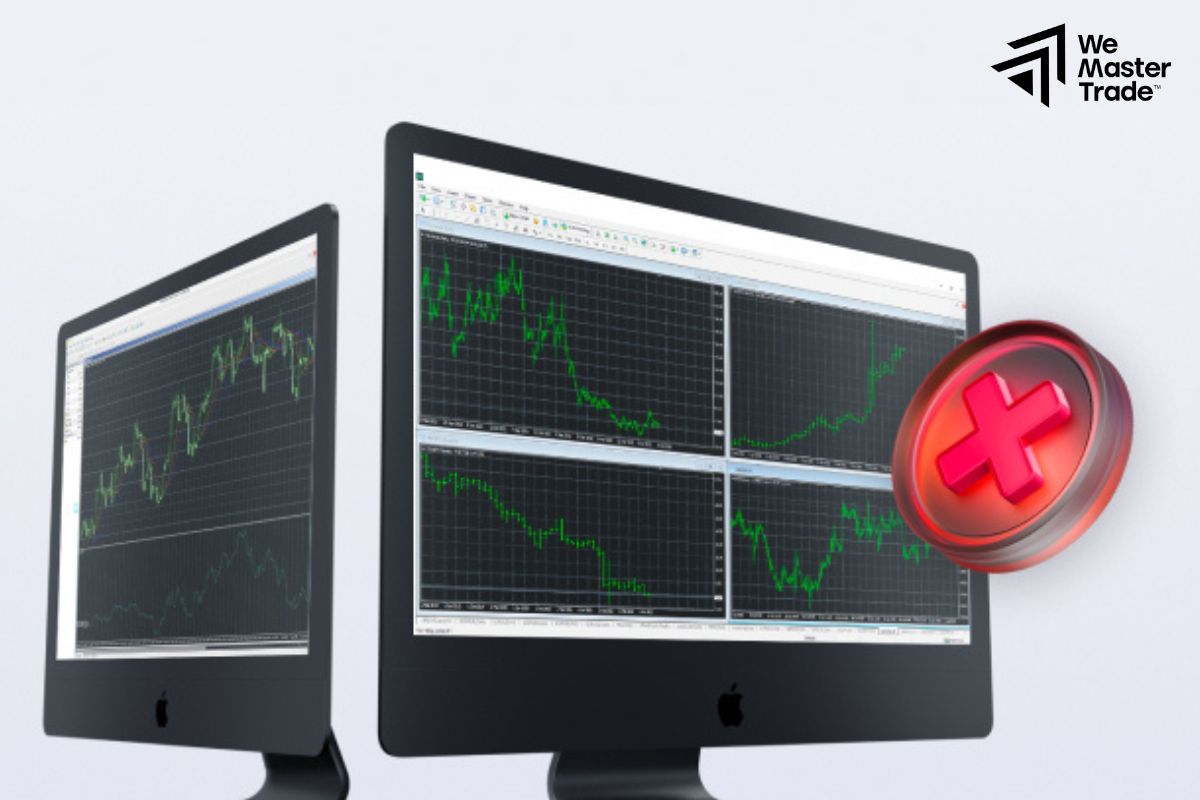
Imagine driving at high speed on a winding road with no warning signs – that’s what it feels like to trade forex without being aware of potential pitfalls.
The forex market is notorious for its high liquidity and constant volatility. In such an environment, a hasty decision or a small mistake can result in a huge loss to your account. And most common forex trading mistakes stem from three main factors:
- Lack of knowledge or incorrect market analysis
- Not controlling your emotions when trading
- Using unproven or inappropriate strategies
Identifying these mistakes early is like learning how to avoid potholes on the road – not only will it help you preserve your trading account, but it will also make your financial journey more sustainable.
By understanding the causes and consequences of forex trading mistakes, traders will:
- Limit emotional decisions
- Build disciplined trading habits
- Develop systems that align with long-term goals
A solid knowledge base does not guarantee success every time, but it certainly helps you lose less and learn more each time the market challenges you.
See now:
- Prop Firm Trading Techniques: From Basic to Advanced
- Qualifying for a Prop Firm: All the Skills You Need
- What is Exchange Rate? A Comprehensive Guide for Traders
Common Forex Trading Mistakes
Any successful trader cannot avoid making mistakes in trading, especially in the beginning stage. Below are the most common mistakes drawn from the “bloody” experiences of those who have gone before, traders must be aware of:
Not preparing before trading
One of the basic forex trading mistakes is placing orders without careful preparation. Not analyzing the market, not updating economic news or ignoring technical indicators can lead to emotional, unfounded decisions.
Before trading, traders should clearly identify:
- The main trend of the market
- Support/resistance zones
- Important economic events coming up
A methodical trading plan helps limit risks and maintain consistency.
Trading with volume beyond capacity
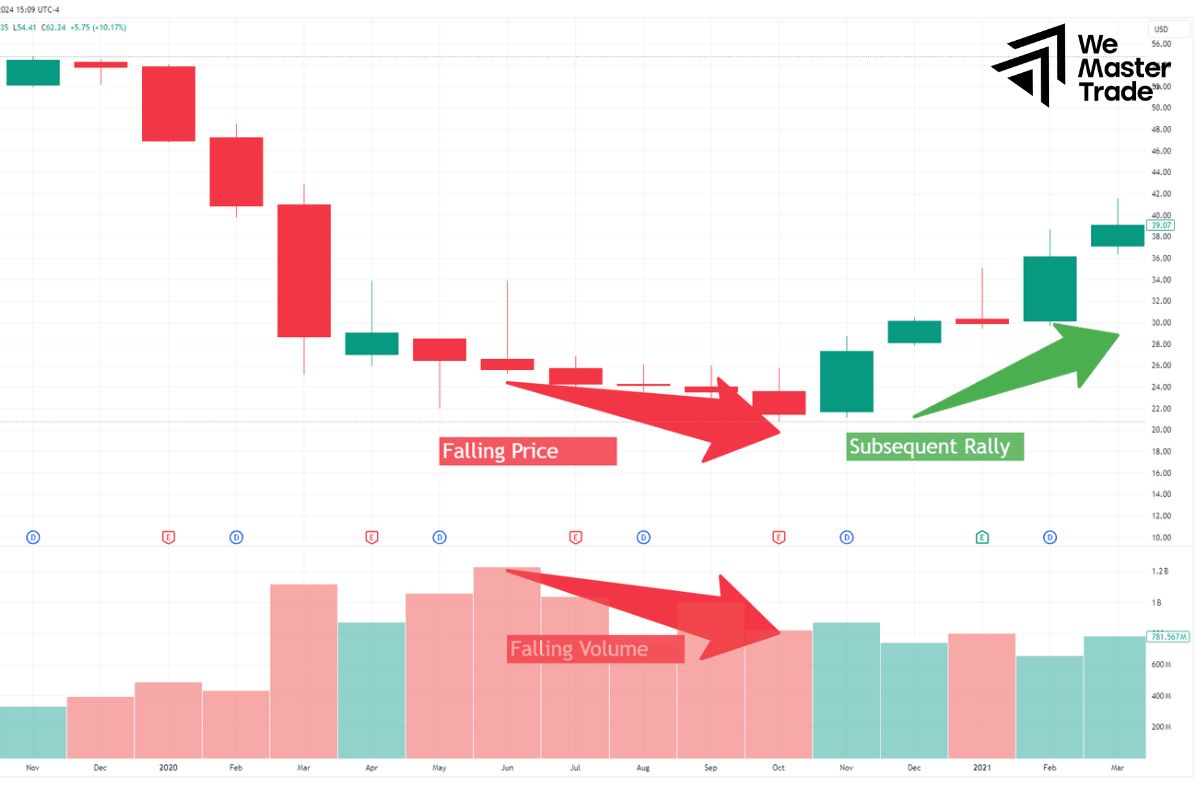
Using high leverage and placing orders with a volume higher than your loss tolerance is a very dangerous forex trading mistake. Many new traders are easily caught up in the expectation of quick profits without considering the consequences when the market goes against them.
How to manage risk effectively:
- Do not risk more than 1-2% of capital per trade
- Define stop loss and take profit points clearly
- Use the right trading volume calculator
Controlling trading volume helps protect the account from unexpected fluctuations.
Ignoring stop loss orders
Not placing stop-loss orders is one of the most dangerous forex trading mistakes. The market can reverse very quickly, and without a pre-set stop loss, the account can be seriously deficient.
Instead of hoping for the market to turn around, placing stop-loss orders helps traders limit their risk from the beginning and keep a stable mentality when trading.
Trading on emotions
Emotions are the number one enemy in trading. Impulsive decisions due to fear of missing out (FOMO), fear of losing, or greed when the market is trending well can all lead to serious forex trading mistakes.
Some signs of emotional trading:
- Rushing to place orders without analysis
- Holding on to losing orders in the hope of reversing the trend
- Filling orders when losing
Keeping a stable mentality and trading according to a set plan will help avoid unnecessary risks.
Overtrading
Many traders think that the more they trade, the more opportunities they have to make profits. However, overtrading is a common forex trading mistake that leads to account losses due to high transaction costs and poor quality decisions.
An effective trading plan needs to have clear rules about:
- Time to enter orders
- Suitable market conditions
- Maximum number of orders per day/week
Quality of trades is always more important than quantity.
Testing New Strategies on a Live Account
One of the most common forex trading mistakes beginners make is trying out new strategies without fully testing them. Trading on a live account without fully understanding the method can lead to unfortunate losses.
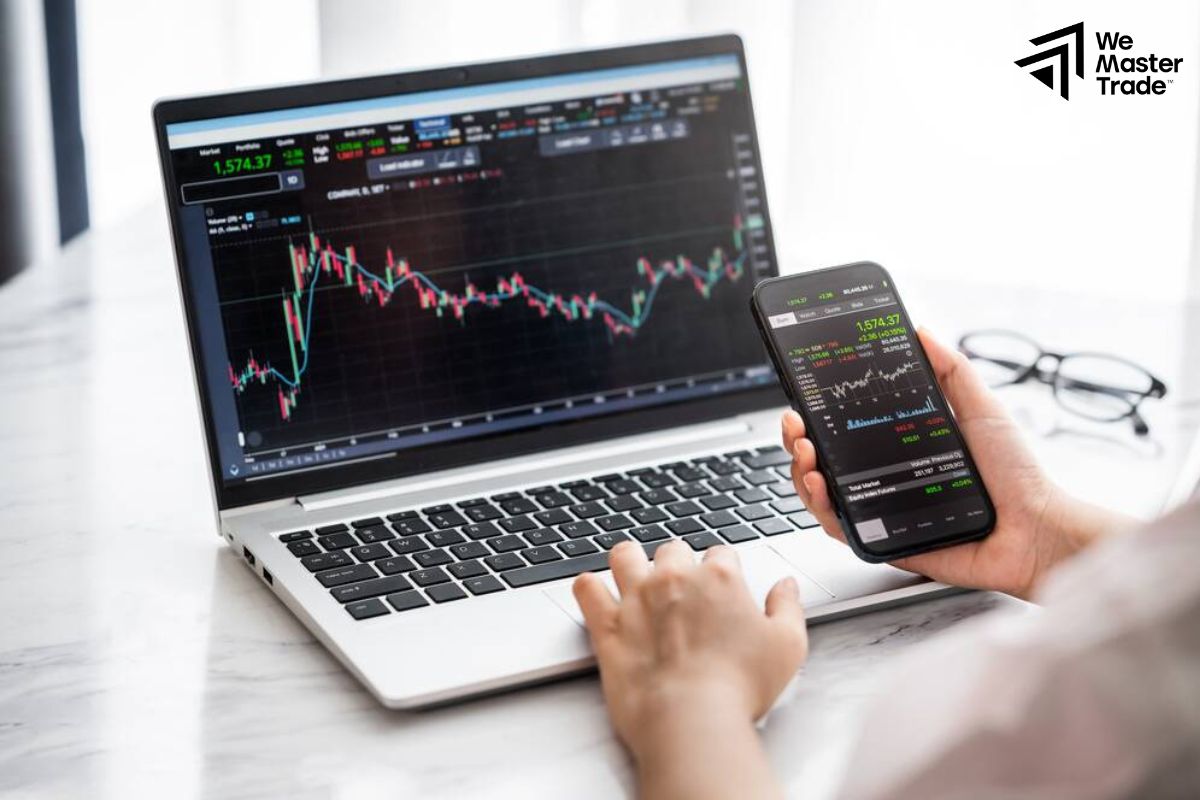
Solution:
- Use a demo account to test your strategy
- Evaluate the effectiveness through backtesting on historical data
- Trade small volumes before expanding
Thoroughly testing before using real money will help limit unnecessary risks.
Not reviewing the executed trades
Not recording the trading history or learning from the orders entered is a forex trading mistake that is often overlooked. This makes it easy for traders to repeat mistakes and has no basis for improving their strategy.
Keep a trading journal with items such as:
- Time of entry/exit
- Reason for trading
- Results and emotions when entering the order
Thanks to this, traders can recognize weaknesses in their trading system and make timely adjustments.
Conclusion
In short, no one can completely avoid forex trading mistakes, especially in the early stages. However, it is important to recognize and learn from those mistakes to improve. Building a disciplined trading system, controlling risks properly and maintaining a stable mentality are the foundations that help traders sustain their journey to conquer the forex market.
See more: