












Unravel the significance of the trade balance and its impact on a nation’s economic stability and global trade dynamics. Learn how the balance of imports and exports reflects economic strength, drives policy decisions, and influences financial markets. Whether you’re a student, trader, or economic enthusiast, this guide provides in-depth analysis and practical insights to expand your knowledge. Don’t miss out click now to explore the factors shaping trade balance and its role in global economies!
What Is the Balance Trade?

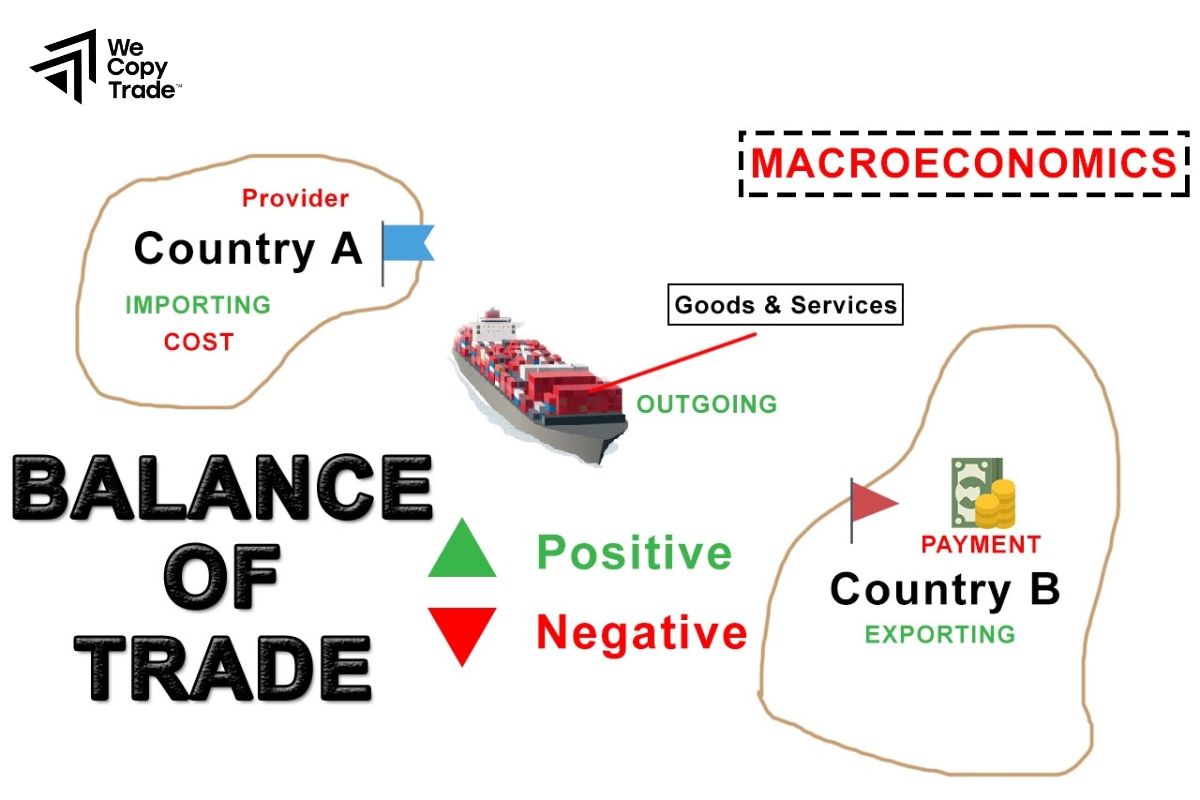
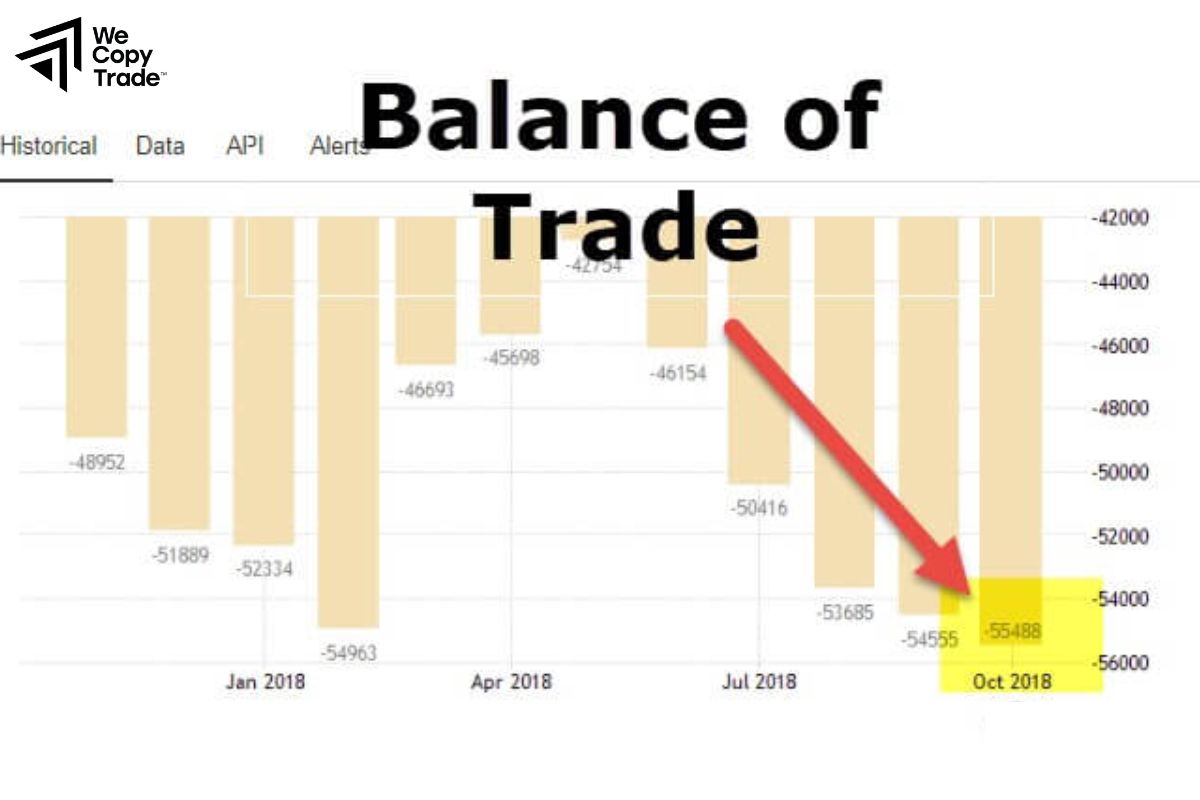
The balance of trade, also known as the trade balance, is the difference between the value of a country’s exports and imports over a specific period. It’s a key component of a country’s current account, reflecting the net income from international trade.
Key Points:
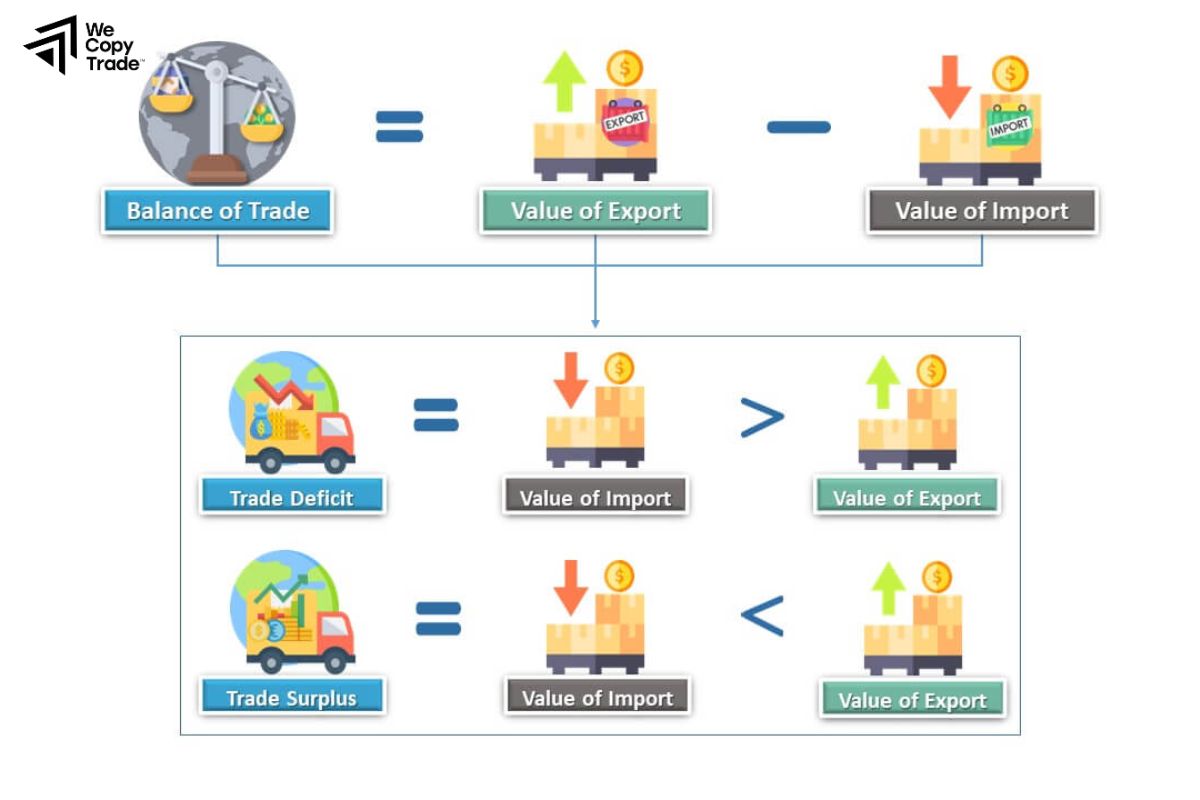
- Surplus: If a country exports more than it imports, the trade balance is positive, known as a trade surplus. This indicates that the country is selling more goods and services abroad than it is buying.
- Deficit: If imports exceed exports, the trade balance is negative, referred to as a trade deficit. This means the country is spending more on foreign goods and services than it earns from its exports.
The balance of trade is a critical indicator of a nation’s economic health, influencing its currency value, foreign reserves, and overall economic policy. It also plays a role in shaping international relations and trade agreements.
See more:
- Apply The Labor Market Reports Effectively In Forex Trading
- How Do Non-farm Payrolls Impact the Financial Market?
- How Do Unemployment Rates Impact To Market Vodility?
Why is Trade Balance important?
The trade balance, the difference between a country’s exports and imports, is a critical economic indicator for several reasons:
Indicator of Economic Health
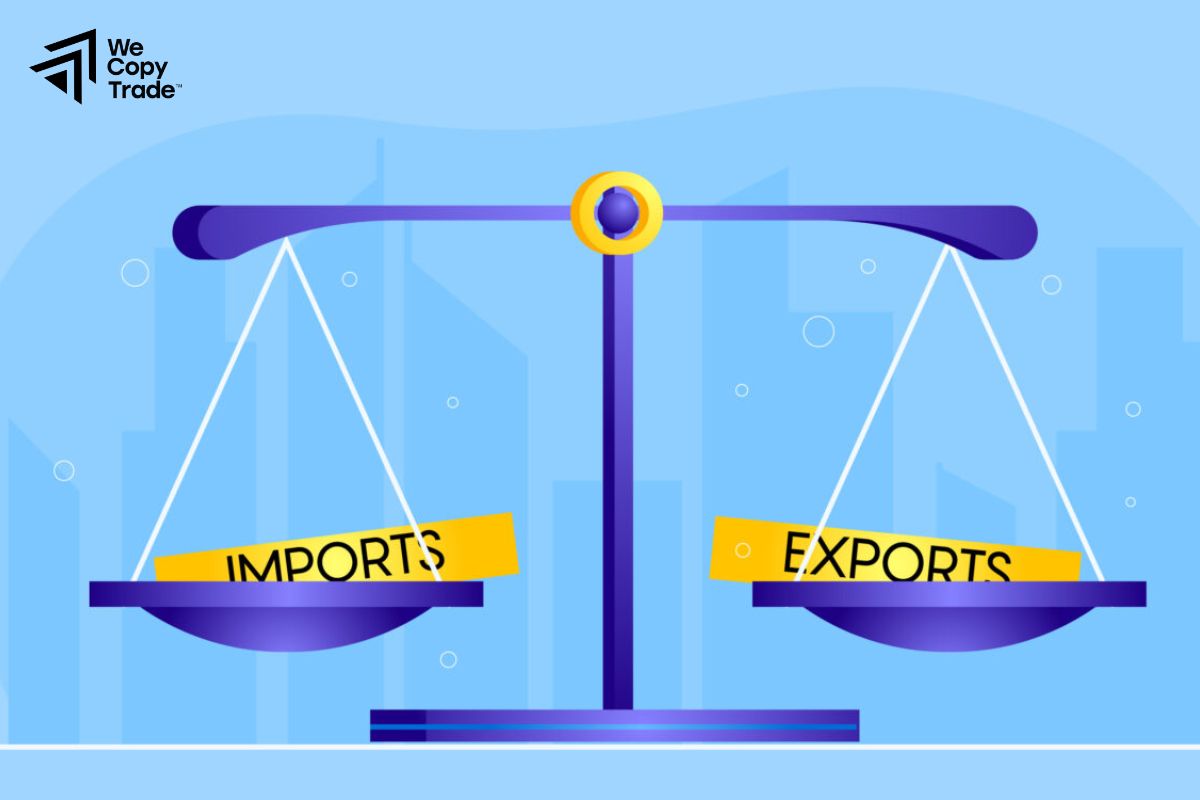
- A positive trade of balance indicates that a country is exporting more than it imports, often seen as a sign of a competitive economy.
- A negative trade of balance suggests higher dependence on foreign goods and services, which could indicate economic vulnerabilities.
Impact on GDP
- Trade balance directly affects a country’s Gross Domestic Product through the net export component. A surplus contributes positively to GDP growth, while a deficit detracts from it.
Currency Stability
- A trade surplus can strengthen a country’s currency as foreign buyers purchase the currency to pay for goods and services.
- A persistent trade deficit may weaken the currency, leading to higher import costs and inflation.
Foreign Exchange Reserves
- Countries with trade surpluses accumulate foreign exchange reserves, providing financial stability and the ability to manage external shocks.
Employment and Industrial Growth
- Exports drive domestic production, creating jobs and encouraging industrial growth.
- Import dependence may lead to deindustrialization if domestic industries cannot compete with foreign goods.
Who publishes the Trade Balance report?
The Trade Balance report is typically published by a country’s national statistics agency or an equivalent government body responsible for economic data collection and reporting. Here are some examples by country:
United States
- Published by the U.S. Census Bureau and the Bureau of Economic Analysis under the Department of Commerce.
- The report is part of the International Trade in Goods and Services Report, released monthly.
European Union
- Published by Eurostat, the statistical office of the European Union.
- Individual member countries also report their trade data via their respective national statistical agencies.
United Kingdom
- Published by the Office for National Statistics.
- Monthly and quarterly trade balance figures are included in trade and economic reports.
Canada

- Published by Statistics Canada.
- Known as the International Merchandise Trade Report.
Australia
- Published by the Australian Bureau of Statistics.
- Part of the monthly International Trade in Goods and Services data.
India
- Published by the Ministry of Commerce and Industry and also the Reserve Bank of India for balance of payments data.
China
- Published by the General Administration of Customs of China.
- Monthly trade figures are widely watched globally due to China’s significant role in international trade.
Japan
- Published by the Ministry of Finance.
- Data is also reviewed and analyzed by the Bank of Japan.
When is the Trade Balance report released?

The Trade Balance report is generally released on a monthly basis, typically within 1 to 4 weeks after the end of the reference month.
For example, in countries like the United States, United Kingdom, Australia, Canada, and Japan, the report is typically published in the first or second week of the following month.
- The Trade of Balance report is released by the Bureau of Economic Analysis and Census Bureau
- While Eurostat releases the European Union’s trade of balance data a bit later, usually within six weeks after the reference month ends.
- In India, the Ministry of Commerce and Industry publishes the trade of balance data on a monthly basis, usually within 3 to 4 weeks after the month ends.
- China releases its data in the first week of the next month, typically via the General Administration of Customs.
- Each country follows its own schedule, but in general, the data is available shortly after the month concludes.
Calculating the Balance Trade
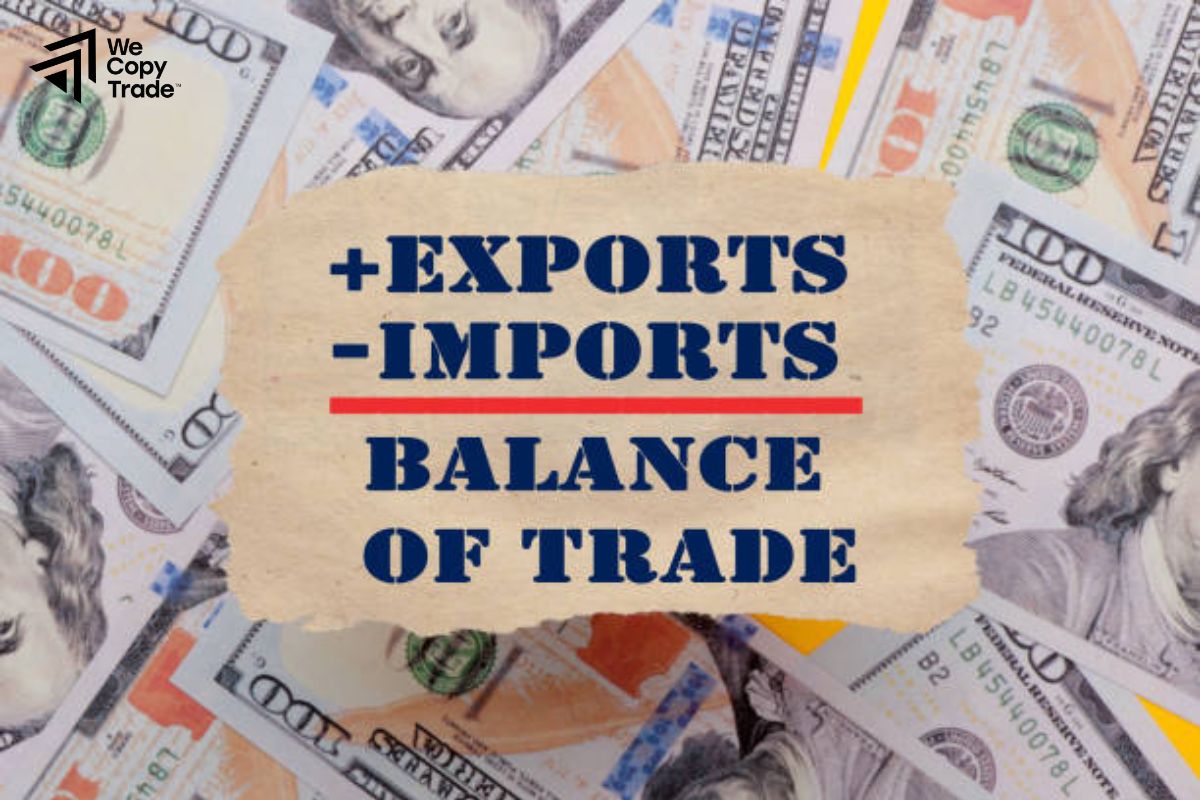
To calculate the Trade Balance, you subtract the total value of a country’s imports from the total value of its exports. Here’s the formula:
Trade Balance Formula
Trade Balance = Exports − Imports
- Exports: The value of goods and services a country sells to the rest of the world.
- Imports: The value of goods and services a country buys from other countries.
Interpreting the Results
- Trade Surplus: If Exports > Imports, the trade balance is positive, meaning the country has a trade surplus.
- Trade Deficit: If Exports < Imports, the trade balance is negative, indicating a trade deficit.
- Balanced Trade: If Exports = Imports, the trade balance is neutral.
Example of How to Calculate the Balance Trade
- Exports = $500 billion
- Imports = $450 billion
Trade Balance = 500 billion − 450 billion = 50 billion
This would result in a trade surplus of $50 billion.
If the imports were higher:
- Exports = $400 billion
- Imports = $450 billion
Trade Balance = 400 billion − 450 billion = −50 billion
This would result in a trade deficit of $50 billion.
Conclusion
In conclusion, understanding the trade balance is crucial for assessing a country’s economic health and global trade position. The positive trade of balance, or trade surplus, indicates a nation is exporting more than it imports, contributing to economic growth and currency strength. Therefore, the trade of balance remains a vital indicator in evaluating the economic performance and competitiveness of a country in the global market.
See now: