












Do you know why trading activities are so smooth and safe? Maintaining this trading model requires the efforts and professional work of the entire CFTC organization team. However, there are also some subjects who operate for personal gain and negatively affect the development of this community. Let’s find out how it works and the complaint process if you discover this behavior!
What is the CFTC?
The Commodity Futures Trading Commission is a U.S. government agency that regulates the pre-agreed pricing and quantity of futures, options, and other complex financial products in the U.S. financial markets. It is governed by five appointed commissioners who represent various interest groups such as investors, exchanges, and financial institutions.
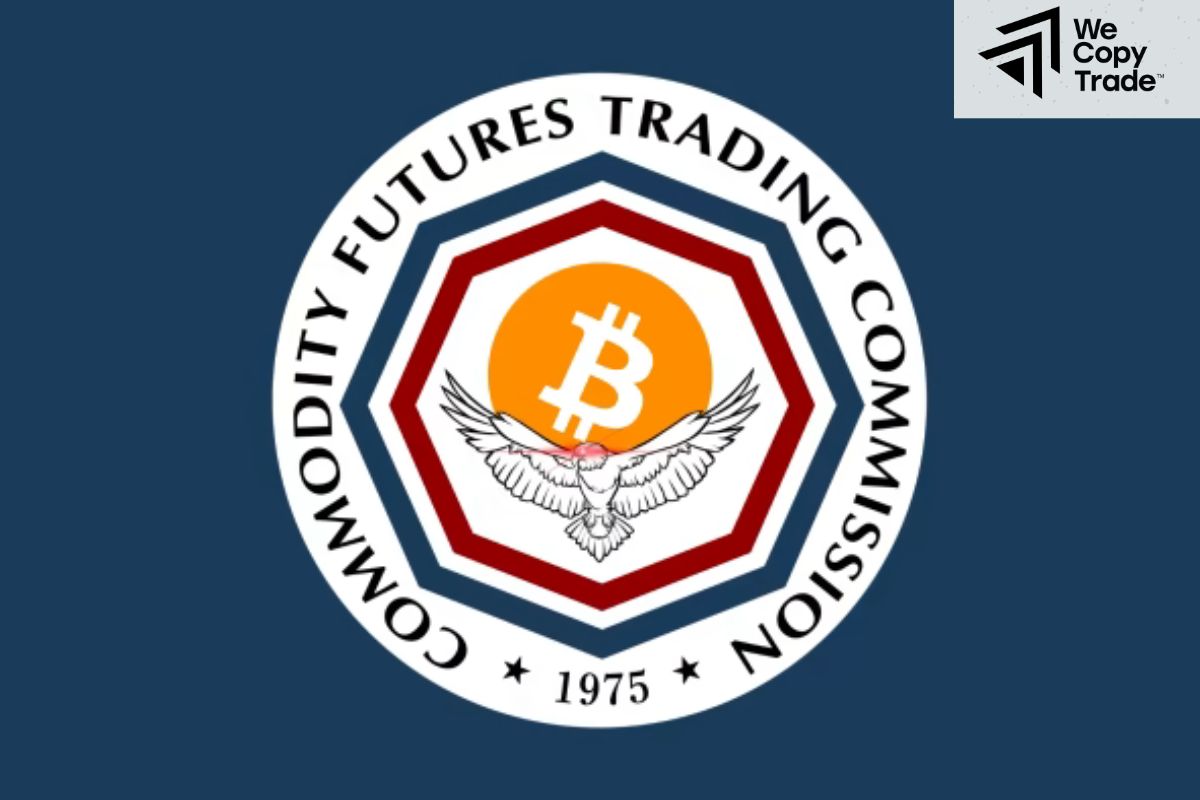
Established in 1974, the CFTC has played an important role in protecting investors and maintaining the stability of financial markets, especially in the context of the technological revolution and the emergence of cryptocurrencies. Previously, trading of these products was mainly focused on the agricultural sector. However, with the development of financial markets, this organization has expanded its scope of activities to include many different types of transactions, from securities to foreign currencies. Thanks to the Commodity Futures Trading Commission, trading activities take place fairly, transparently and without fraud, investors can feel more secure when participating in complex investment activities.
See more:
- Top 10 Forex brokers with FCA license – License lookup guide
- Top 5 most reputable Forex brokers with ASIC Licenses
- Resolving Brokers Disputes Process with the CySEC licensed
- What is the National Futures Association? NFA license broker
CFTC’s Divisions and Their Functions
The Commodity Futures Trading Commission is headed by five Commissioners appointed by the President. These Commissioners are responsible for supervising and regulating trading activities in the commodities and financial markets to protect investors and maintain the stability of the financial markets.
Department of Clearing and Risk (DCR)
DCR plays a vital role in maintaining the stability of financial markets. By supervising clearinghouses and ensuring their compliance with regulations, DCR helps to reduce systemic risk and protect investors. Thanks to DCR, investors can feel more secure when participating in derivatives trading activities.
Market Participant Department (MPD)
The Market Participant Department (MPD) plays a vital role in protecting investors and maintaining the fairness of financial markets. By supervising brokerage firms and providing information to investors, MPD helps to increase confidence in the market and encourage people to participate in investing.
Division of Market Oversight (DMO)
The DMO is responsible for monitoring and regulating trading activities on exchanges, and setting regulations to ensure that all players comply with the rules and that no one cheats.
In addition, the DMO analyzes data to find potential problems and propose solutions to improve the market.
Division of Data (DOD)

By collecting, processing, and analyzing data, the DOD provides the CFTC with a comprehensive view of the financial markets, helping the agency detect potential problems early and take timely preventive measures. Thanks to the DOD, the CFTC can make more effective policy decisions, better protect the interests of investors, and contribute to the stability of the financial markets.
Department of Enforcement (DOE)
The DOE is responsible for detecting and prosecuting violators of the rules in the trading market, ensuring that all players follow the rules and that no one cheats. When someone breaks the rules, the DOE investigates and may impose appropriate penalties. Thanks to the DOE, the financial markets become safer and more trustworthy.
Where can we find the CFTC’s regulators?
All regulations issued by the Commodity Futures Trading Commission are publicly available and easily accessible. You can find them in the Code of Federal Regulations (CFR), specifically Title 17, Chapter I.
In addition, draft regulations are published in the Federal Register for public review before they become effective.
If you want to keep up with the latest CFTC regulations, you can visit Reginfo.gov, select “Commodity Futures Trading Commission,” and search for information under “Consensus Agenda.” Here, you will find the most up-to-date information on regulations the CFTC is considering and issuing.
Challenges the CFTC is Facing
The CFTC, which only regulates traditional commodity contracts such as oil and rice, now faces new challenges due to the development of technology. With the emergence of cryptocurrencies and high-tech financial applications, it needs to adapt and introduce new regulations to ensure that financial markets operate transparently and fairly.
Relationship between CFTC and SEC
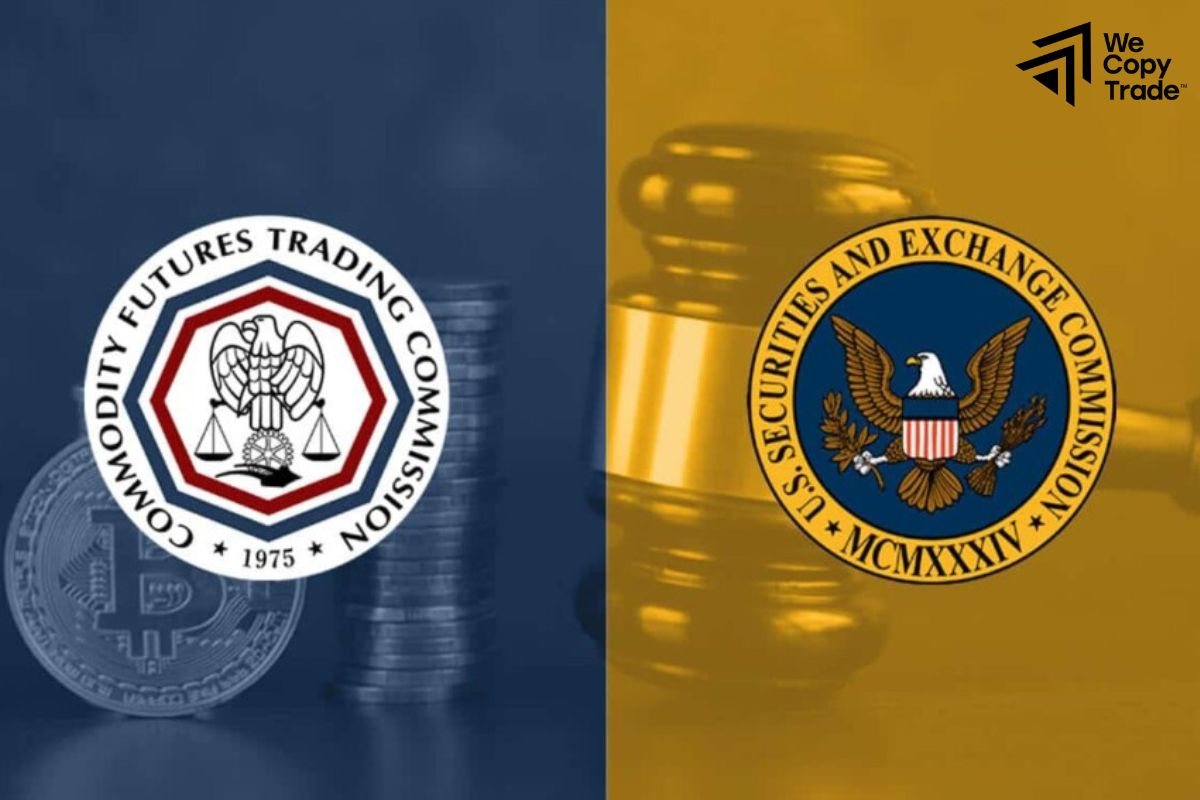
When it comes to regulating digital assets, there are two main US agencies to be aware of: the CFTC and the SEC. While the SEC regulates stocks, the CFTC regulates derivatives, including cryptocurrency futures. Simply put, if you buy Bitcoin directly, the SEC may not regulate it, but if you buy Bitcoin futures, the CFTC will step in.
Currently, the CFTC and the SEC jointly regulate the digital asset market, but there is no clear regulation on who is primarily responsible. Both claim to have the authority to regulate cryptocurrencies. The CFTC considers cryptocurrencies a commodity, while the SEC considers them a security. This distinction is controversial because the same asset can fall under the jurisdiction of two different agencies. The main reason is that the definitions of “commodity” and “security” are quite broad and somewhat overlapping.
Clearly defining a regulatory body for the digital asset market is crucial to creating a stable, transparent and attractive investment environment.
CFTC Whistleblower Program
Violations of trading laws can have serious consequences for both investors and the markets. The CFTC is committed to investigating and prosecuting violations including consumer fraud, price manipulation, money laundering, and other fraudulent activities.
For example, some people may intentionally provide false information to force prices up or down, or misappropriate customer funds for personal gain.
The CFTC encourages everyone to report violations of the financial markets. If you have important information, report it to the immediately using the TCR form. You have the right to remain anonymous and may receive a reward if your information helps the successfully resolve the case. Reporting not only protects your rights but also helps keep the markets clean.
CFTC Whistleblower Program
To report a violation, simply follow these steps:
- Visit the CFTC website.
- Find and fill out the online complaint form.
- If you want to be protected and have a chance to receive a reward, fill out the special whistleblower form.
- Submit your complaint.
All information about the case will be investigated seriously and objectively. If a violation is found, the organization will take the necessary measures to protect the rights of investors and ensure the stability of the market. You can track the progress of your case through the information channels provided by the CFTC.
Conclusion
In conclusion, CFTC plays a very important role in maintaining the reputation and reliability of the market, ensuring the safety of transactions. This organization also encourages users to detect and report fraudulent behavior to create a transparent trading environment. Therefore, when you detect any non-transparent behavior, please contact for resolution!
See now: