




Price Action is the most effective method of analyzing market prices in stocks and forex to help you grasp market trends without complicated indicators. Therefore, to better understand these actions in stocks, follow this article immediately to help you be more confident in making accurate trading decisions. Start today to improve your skills and increase your profits!
What is Price Action?
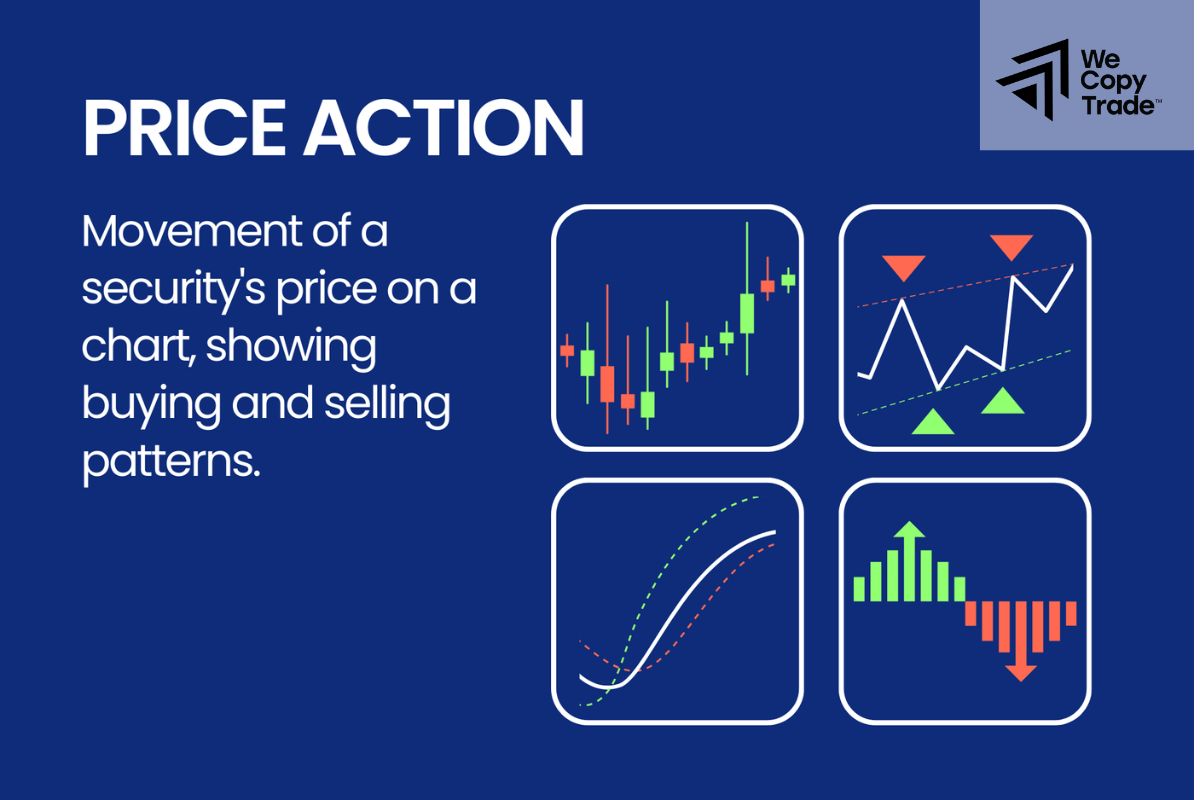
Price Action is a trading strategy that focuses on analyzing the movement of prices in financial markets without relying heavily on technical indicators. It involves studying past price movements, typically through charts, to identify patterns, trends, and key levels of support and resistance.
Besides, traders using Price Action look for clues in price behavior to predict future market direction, such as candlestick formations, chart patterns, or price levels where the market has historically reacted. This method emphasizes simplicity and helps traders make decisions based on real-time price data, aiming for more precise and timely trades.
See more:
- What is Pullback? Effective Trading Methods You Should Know
- Basic types of fundamental analysis for effective investing
- The Importance of Macroeconomics in the Forex Market 2024
Characteristics of Price action method
The Price Action trading method has several key characteristics that make it distinct and appealing to traders:
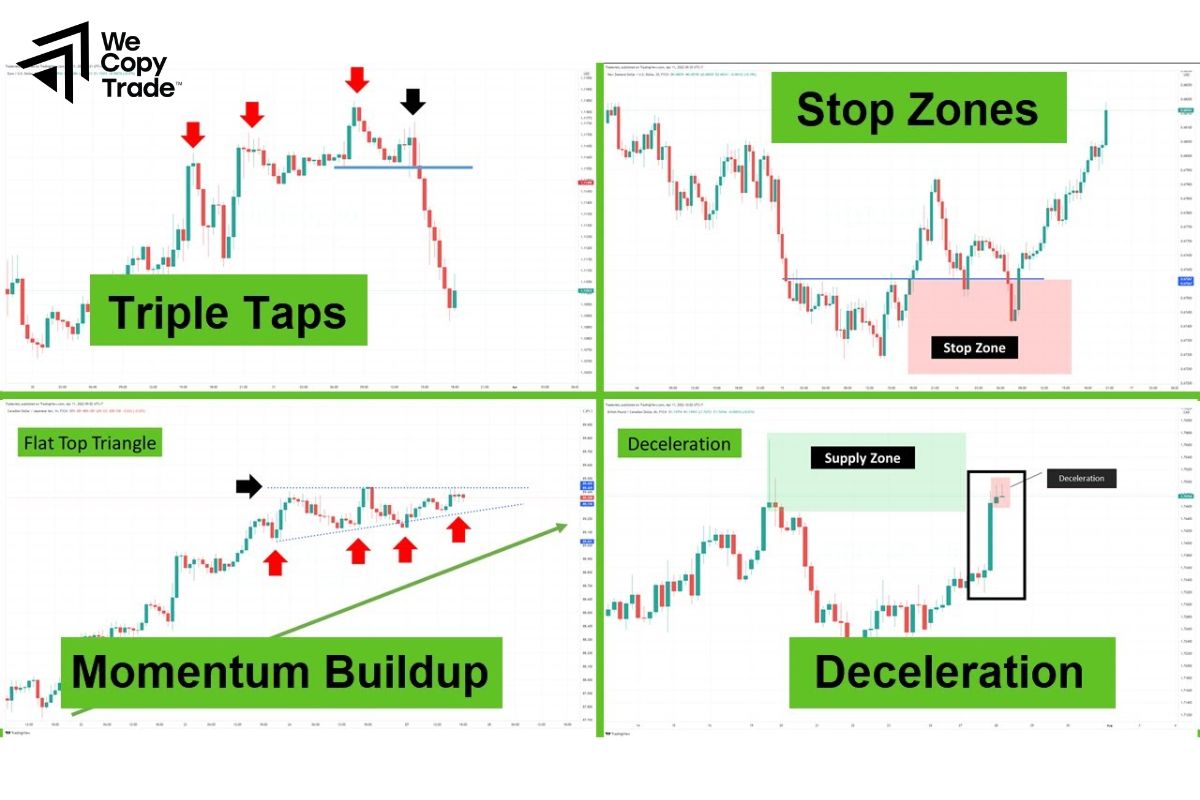
- Simplicity: Price Action relies solely on price movements, without the use of complex technical indicators, making it straightforward and easy to interpret.
- Chart-Based Analysis: Traders focus on raw price charts (usually candlestick or bar charts) to identify patterns, trends, and key levels like support and resistance.
- Market Behavior Focus: It emphasizes understanding the psychology behind price movements, using tools like candlestick formations to gauge market sentiment and trader behavior.
- Adaptability: Price Action can be applied across different asset classes, including stocks, forex, commodities, and cryptocurrencies.
- Real-Time Decision Making: Traders react to current market conditions, rather than relying on lagging indicators, allowing for more immediate and dynamic decision-making.
- No Lagging Indicators: Unlike many strategies that rely on moving averages or other indicators, Price Action is based on real-time price data, providing traders with faster insights.
- Versatility: It works across different timeframes, from scalping (short-term) to swing trading (long-term), making it adaptable to various trading styles.
- Pattern Recognition: Price Action traders often use chart patterns (like head and shoulders, triangles, or flags) and candlestick formations (like doji, engulfing patterns) to predict market direction.
How to apply price action it to trade effectively
To trade effectively using Price Action, follow these steps:
Understand Market Structure
- Study the market’s price trends (uptrend, downtrend, or sideways) to determine the overall direction.
- Identify key levels of support (where price tends to bounce upward) and resistance (where price tends to reverse downward). These levels help in making buy and sell decisions.
Recognize Price Action Patterns
- Learn common candlestick patterns and chart formations such as:
- Pin bars (sign of reversal)
- Engulfing candles (signal of strong momentum)
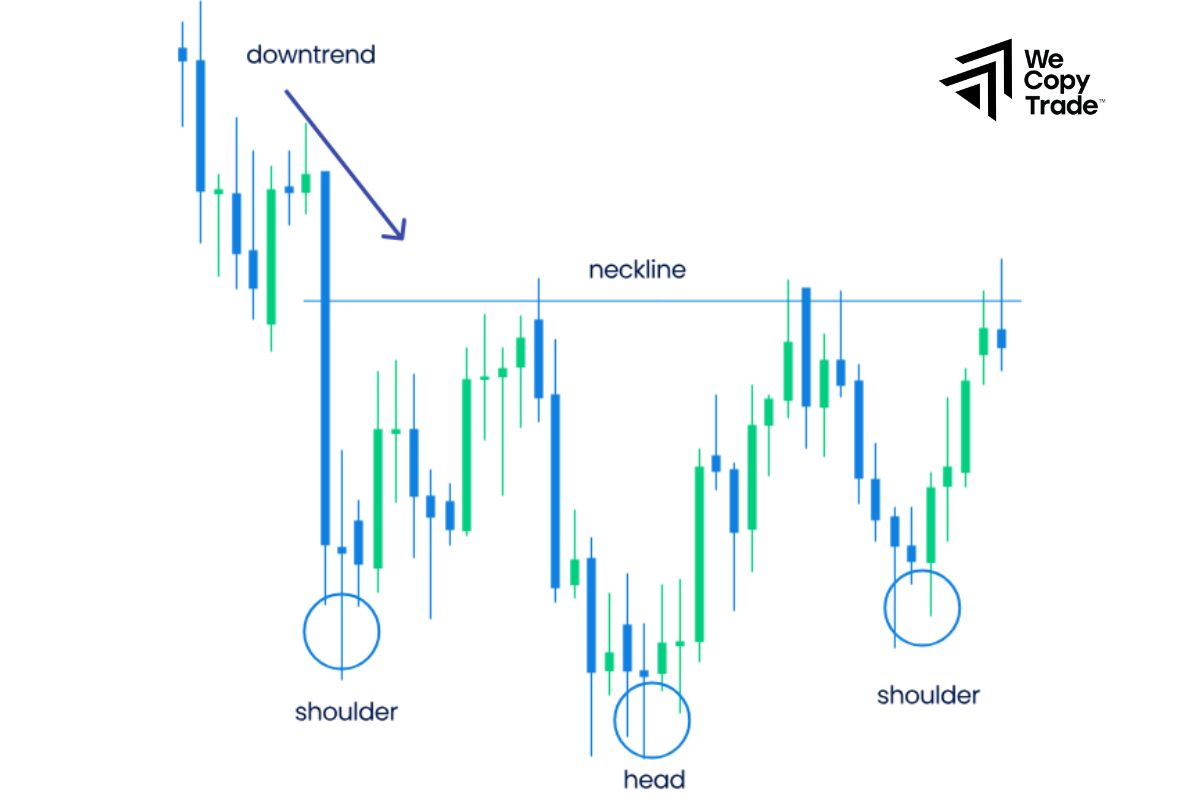
- Head and shoulders (reversal pattern)
- Triangles and flags (continuation patterns)
- These patterns help predict future price movement.
Use Trendlines
- Draw trendlines to define the market direction and spot potential breakout or breakdown points.
- In an uptrend, connect higher lows; in a downtrend, connect lower highs to guide your entries and exits.
Wait for Price Confirmation
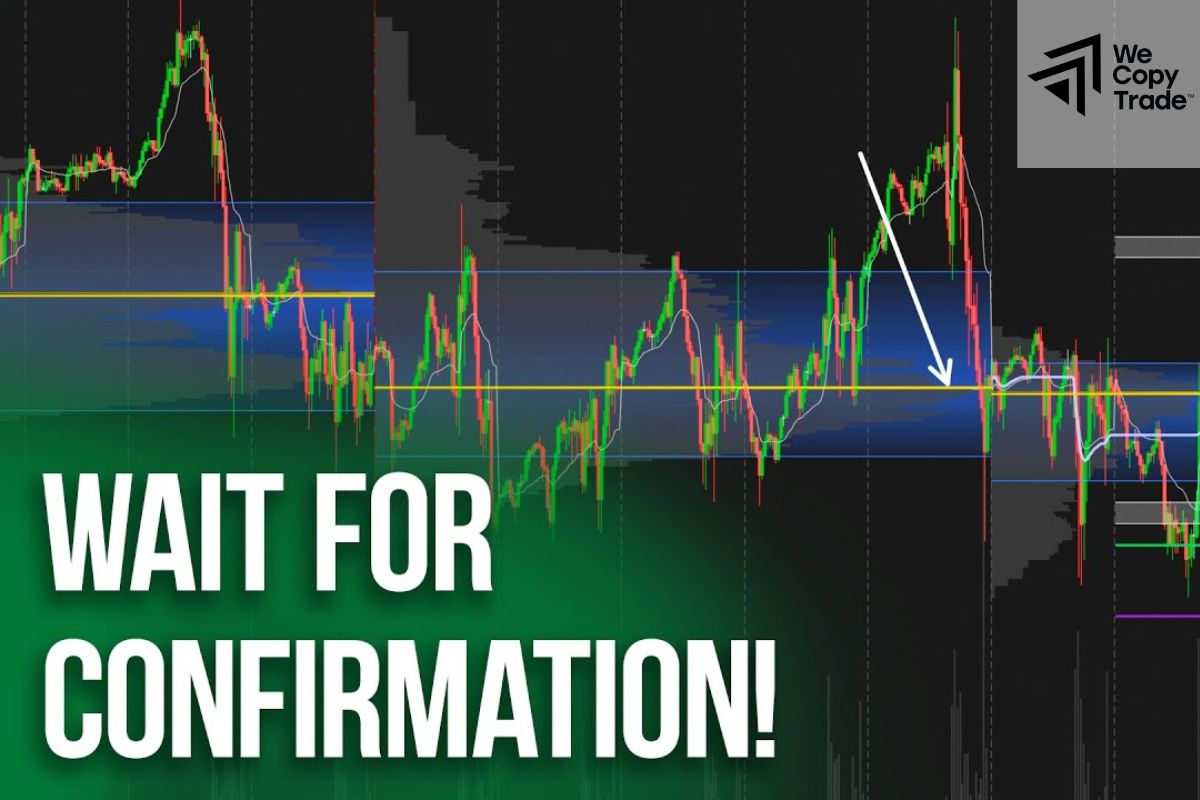
- Be patient and wait for a price action confirmation before entering a trade. For example, in an uptrend, wait for a breakout above resistance before buying, or in a downtrend, wait for price to break below support before selling.
Focus on Key Timeframes
- Analyze longer timeframes (such as daily or weekly charts) to get a broader perspective, then zoom into shorter timeframes (such as 1-hour or 4-hour charts) for precise entry points.
Control Risk with Stop Losses
- Place stop-loss orders below support in an uptrend and above resistance in a downtrend to protect your capital from unexpected market movements.
Advantages and disadvantages of Price action method
Price Action is a simple and flexible trading strategy that analyzes the market in real time without complex indicators. However, it requires experience and is prone to subjectivity in pattern recognition. Let’s learn the advantages and disadvantages of this method to use it effectively:
Advantages of Price Action:
- No complex indicators needed, making it easy to understand.
- Reacts to current market data for timely decisions.
- Works across different markets and timeframes.
- Helps understand trader behavior and psychology.
Disadvantages of Price Action:
- Interpretations can vary between traders.
- Requires practice to spot patterns accurately.
- Lacks precise triggers for entry and exit.
- Risk of overanalyzing or misinterpreting moves.
Tools used in Price action
In Price Action trading, the primary tools are simple, focusing on price movements and chart analysis. Key tools include:

Candlestick Charts
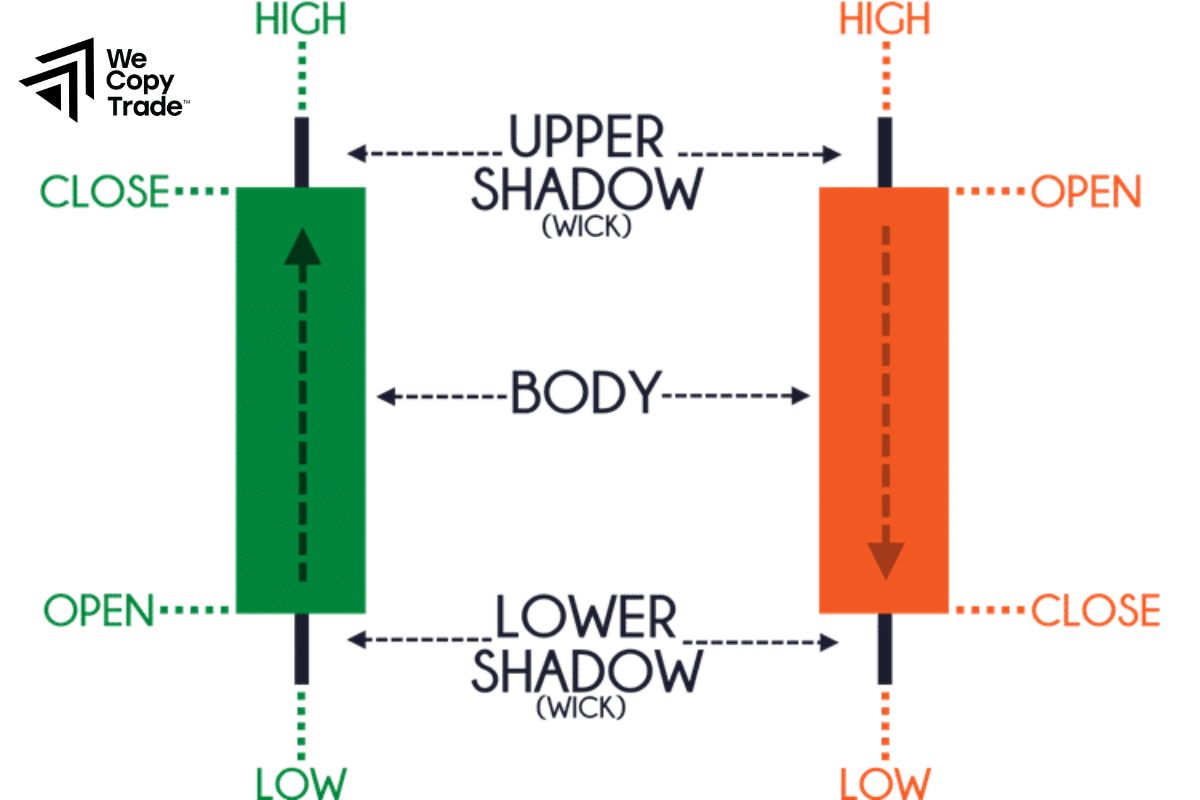
Visual representations of price movements that show open, high, low, and close prices for a specific period. Candlestick patterns help identify market sentiment.
Support and Resistance Levels
Key price levels where the market tends to reverse or pause, used to identify potential entry and exit points.
Trendlines
Lines drawn on charts to track the market’s direction, highlighting upward or downward trends.
Chart Patterns
Formations like head and shoulders, triangles, or double tops/bottoms used to predict future price movements.
Price Action Patterns
Candlestick formations such as pin bars, engulfing patterns, and inside bars, used to gauge market momentum and reversals.
Volume
Used to confirm the strength of price movements by analyzing the number of trades during a specific time frame.
The most optimal Price action strategies
Here are some of the most optimal Price Action strategies for effective trading:
- Support and Resistance Trading: Identify key levels where price has previously bounced or reversed. Trade reversals or breakouts when price approaches these levels.
- Trend Following: Trade in the direction of the prevailing trend. Use trendlines to spot trends and enter trades when price retraces to a trendline or support/resistance level.
- Pin Bar Reversals: Look for pin bar candlestick patterns indicating a potential reversal at key support or resistance levels. This pattern shows strong rejection of price at a certain level.
- Engulfing Patterns: Use bullish or bearish engulfing patterns to signal potential reversals. An engulfing pattern occurs when a larger candle completely engulfs the previous smaller candle, indicating a shift in momentum.
- Breakout Trading: Enter trades when price breaks through significant support or resistance levels. This strategy capitalizes on the momentum that follows a breakout.
- Inside Bars: Trade based on inside bar patterns, where a smaller bar forms within the range of a larger bar. This indicates a period of consolidation and potential breakout direction.
Notes when trading with Price action
When trading with Price Action, keep these notes in mind:
- Ensure that Price Action patterns are confirmed by the overall market context and other technical factors before making a trade.
- Pay close attention to significant support and resistance levels, as they often act as major decision points for price movements.
- Analyze Price Action on different timeframes to get a comprehensive view of market trends and potential entry/exit points.
- Document your trades, including your analysis and the outcome, to review and improve your strategy over time.
Conclusion
In conclusion, mastering Price Action trading provides a powerful approach to understanding market movements and making informed decisions. By focusing on price patterns, support and resistance levels, and candlesticks, you can gain valuable insights into market behavior without relying on complex indicators. So, implement Price Action strategies today to improve your trading accuracy and risk management.

