











In the journey of forex trading, backtest is one of the essential tools that helps traders evaluate the effectiveness of their strategies without risking real capital. So, what exactly is backtest, what methods are available, and why is it so important? This article will help you fully decode the keyword “forex backtest” in the most comprehensive, practical, and easy-to-understand way.
Why Backtest Forex?
Why Backtest Forex?
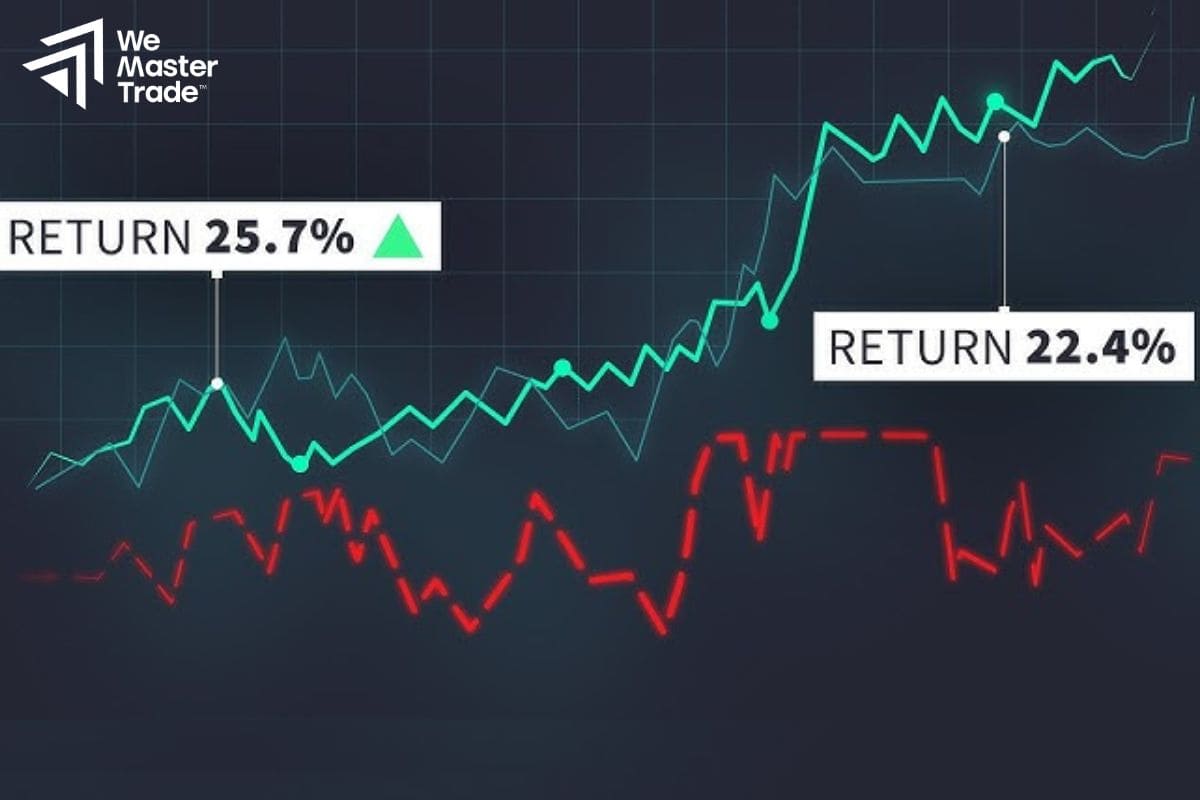
Forex trading is not just about pressing the buy or sell button — it’s a whole process of analysis and strategy testing. Backtest forex allows you to test your strategy using historical data in order to:
- Evaluate the performance of your trading strategy under different market conditions
- Identify weaknesses or flaws in your trading system
- Adjust your strategy before applying it to a live account
- Train your mindset in discipline and statistical thinking based on real data
There’s no method as cost-effective, safe, and efficient for trading practice as backtest.
See now:
- Useful Prop Firm Success Tips For Traders
- Strategy to Optimize Prop Firm Investment Decisions
- Prop Firm Emotional Control Secret And Stay Mentally Stable
Pros and Cons of Forex Backtest
Backtest is considered an indispensable step for any type of strategy to measure effectiveness. However, successful traders need to clearly understand the key advantages and disadvantages to backtest forex effectively:
Pros
Helps eliminate inefficient strategies early
Strengthens confidence in the trading system
Saves time and avoids risks to live accounts
Enhances statistical skills and systematic thinking
Cons
Does not fully reflect real-world conditions (slippage, emotions, etc.)
Risk of overfitting
Can create false confidence if relying only on past results
Common Forms of Forex Backtest
There are two popular backtest methods that every successful trader knows by heart:
Manual Backtest
Manual Backtest
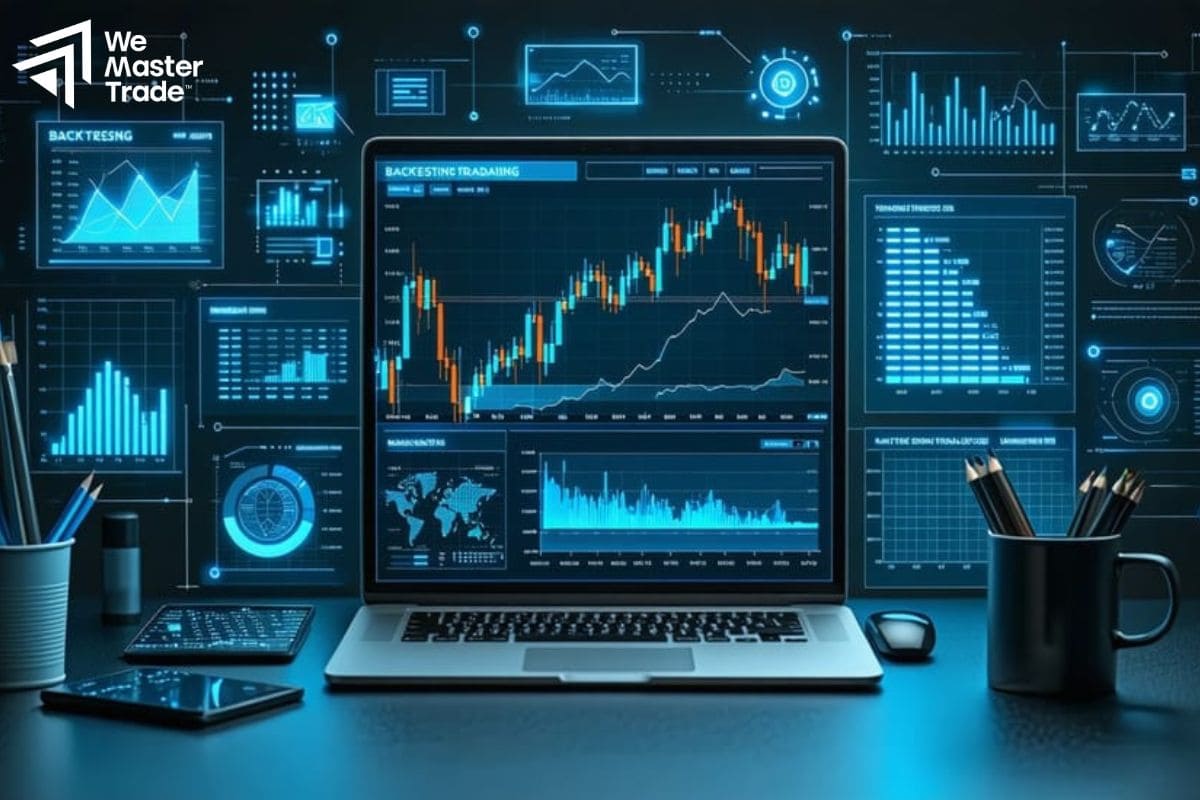
This is often the choice for many beginners. You use charts with historical data (e.g., the H1 chart of EUR/USD over the past 3 months) and follow steps such as:
- Identify entry points based on strategy signals
- Record entry and exit points according to rules (Take Profit/Stop Loss)
- Calculate profit/loss and risk-reward ratio (R:R)
- Repeat with multiple data points to determine overall effectiveness
The advantage of this method is that it helps traders become familiar with charts and practice reading price action. However, manual forex backtest is time-consuming and prone to subjective bias.
Automated Backtest with Software
Thanks to technological development, you can use software such as MetaTrader 4 (MT4), MetaTrader 5 (MT5), or platforms like TradingView and Capitalise.ai to automate the forex backtest process.
Basic steps include:
- Write or use a pre-built Expert Advisor (EA)
- Select historical data (symbol, timeframe, backtest period)
- Set up strategy parameters
- Run the simulation and analyze the report: total trades, win rate, drawdown, net profit, etc.
Software-based forex backtest saves time, reduces manual errors, and can simulate hundreds of trades in just minutes.
How to Perform Forex Backtest
Follow these steps systematically for effective forex backtest:
Prepare Data
First, define:
- The currency pair and timeframe you want to trade (e.g., GBP/USD on H1)
- A sufficiently long historical period (at least 3–6 months for short-term strategies, 2–3 years for long-term ones)
- Required data: open, high, low, close prices, and trading volume
Set Clear Trading Rules
A good strategy must include:
- Clear entry conditions (based on indicators, price action, etc.)
- Exit conditions (take profit, stop loss, trailing stop, etc.)
- Risk management rules (position size, maximum risk per trade, etc.)
Defining clear rules allows you to backtest forex objectively, without emotional bias.
Record Detailed Results
Record Detailed Results
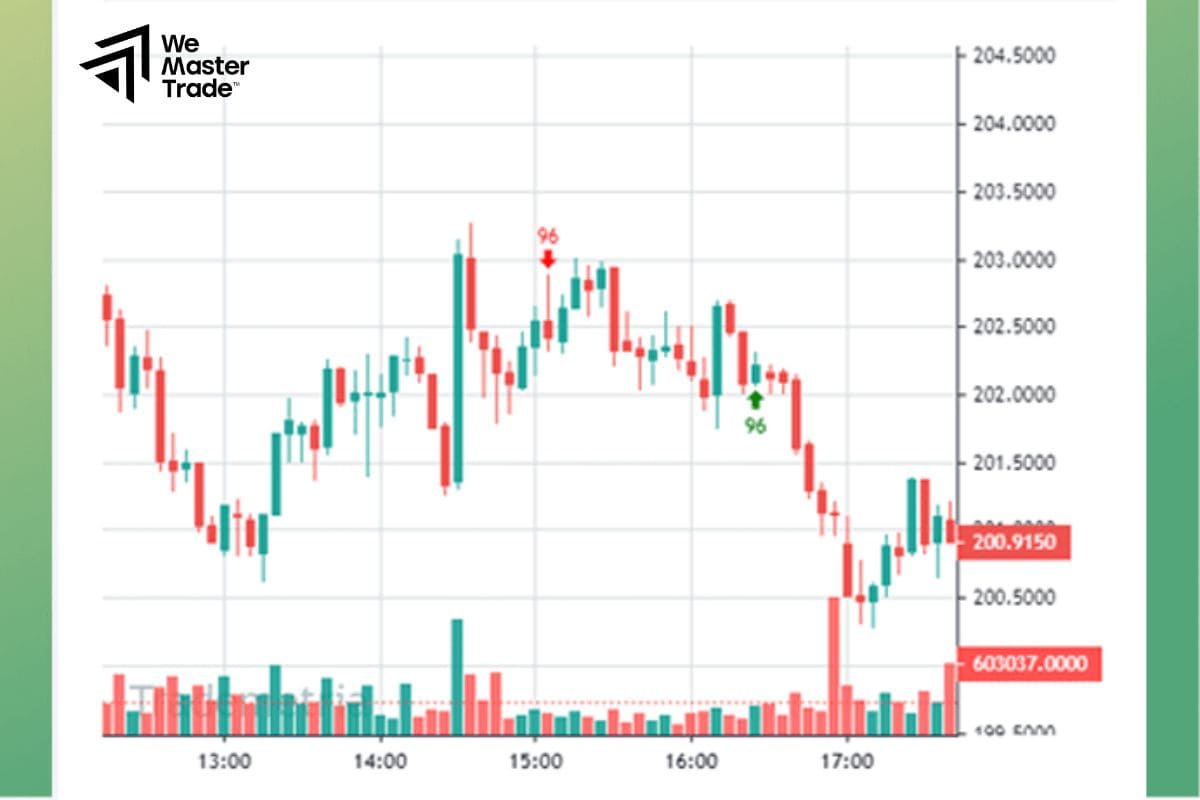
A proper record of results should include:
- Date and time of the trade
- Order type: Buy/Sell
- Outcome: Win/Loss
- Actual R:R ratio
- Psychological notes (if any)
After 50–100 trades, you’ll have enough data to calculate win rate, expected return, drawdown, and decide whether to keep, adjust, or abandon the strategy.
Common Mistakes to Avoid in Forex Backtest
Using inaccurate data: Forex backtest requires complete data, without missing candles or volume.
Choosing the wrong trading hours: If you plan to trade the London session, don’t backtest the entire day.
Ignoring trading costs: Always include spread, overnight fees (if applicable) to get results closer to reality.
Overlooking psychology: A strategy that looks good on paper might fail in practice if you can’t handle a losing streak. This is why demo testing after backtest is recommended.
Comparing Forex Backtest with Forward Test (Paper Trading)
| Criteria | Forex Backtest | Paper Trading (Forward Test) |
| Data used | Historical data | Real-time data |
| Time required | Very fast | Must wait for trades to play out |
| Risk level | 0% (risk-free) | 0% (if using demo account) |
| Psychological impact | Low | High |
| Purpose | Initial strategy filter | Test execution and psychology |
Combining both helps traders gain more confidence before applying a strategy in live markets.
Conclusion
In summary, forex backtest is not a promise of success, but a scientific filtering step before putting real money into the market. Consistently backtest in a systematic way will help you become a more mature trader, gain deeper understanding of your strategy, and make more accurate decisions throughout the volatile trading journey.
See more: