











Economic sanctions are powerful tools used by governments to influence international policies and behaviors. From trade restrictions to financial penalties, these measures impact economies and diplomatic relations worldwide. Want to understand how sanctions affect businesses and global markets? Dive into our detailed guide and stay informed!
What are Economic Sanctions?
Economic Sanctions are restrictive measures imposed by one country or a group of countries on another nation, organization, or individual to achieve political, economic, or security objectives. They are a vital tool in international relations, used to apply pressure and influence the behavior of sanctioned entities without resorting to military intervention.
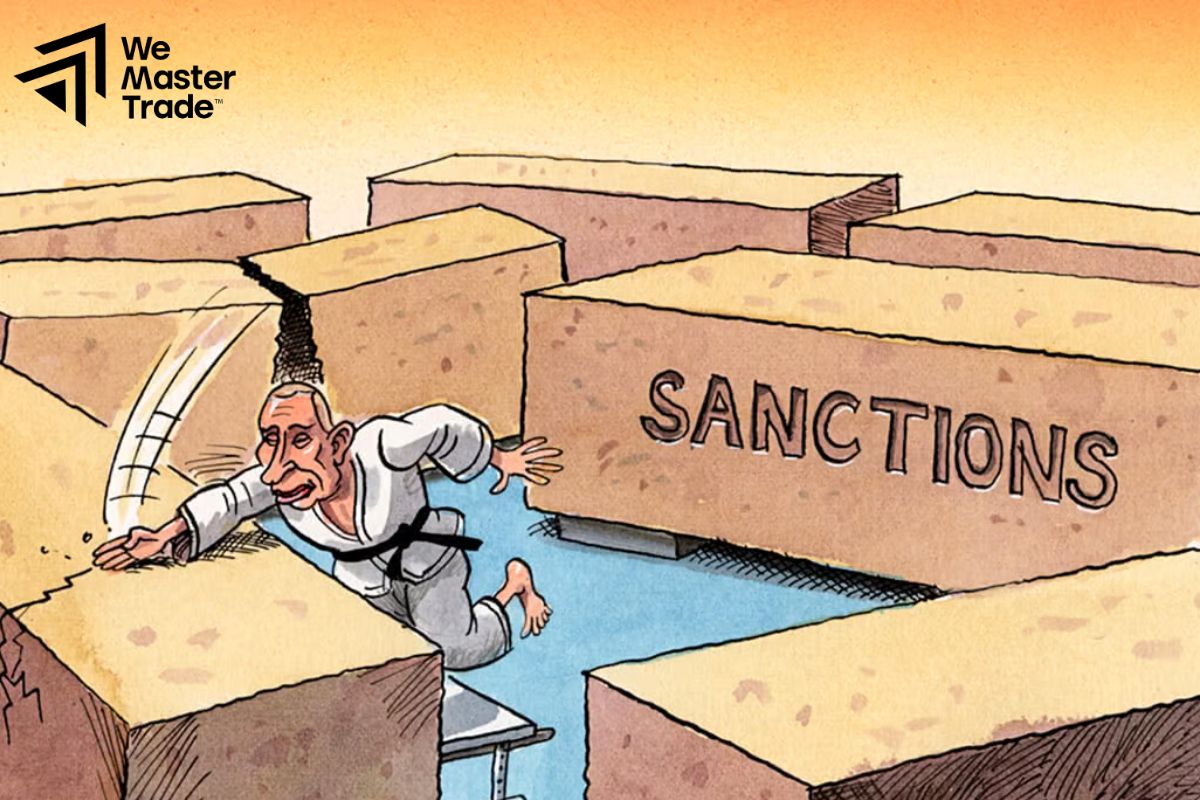
The primary goal of economic sanctions is not only to weaken the capacity of the targeted nation or organization to continue actions deemed unacceptable but also to send a strong message to the international community about the consequences of violating global norms. Although sanctions are coercive and can lead to unintended consequences, such as harming the economy or the livelihoods of people in the targeted area, they remain a common solution for addressing complex issues in international relations.
See now:
- Apply The Yield Curve Effectively for Successful Trading
- Distinguish Debt vs. Deficit To Make Best Trading Decision
- Understanding Monetary Policy? Common Types of Policy
Different Types of Economic Sanctions
Economic sanctions come in various forms, each tailored to achieve specific objectives, ranging from pressuring governments to enforcing international norms. Here are the main types of economic:
Trade Sanctions
These involve restricting the import or export of goods and services to and from the targeted country. Trade sanctions can be comprehensive, affecting all sectors, or selective, targeting specific goods like weapons, oil, or technology.
Financial Sanctions

Financial sanctions freeze the assets of governments, organizations, or individuals and limit their access to international financial systems. This includes restricting loans, investments, or transactions with global financial institutions, aiming to cripple the target’s economic activities.
Travel Sanctions
Travel sanctions restrict individuals or groups from entering specific countries or regions. These often target political leaders, military officials, or individuals involved in illegal or harmful activities, such as human rights violations.
Sectoral Sanctions
Sectoral sanctions target specific industries, such as energy, technology, or defense, by imposing restrictions on trade or investment. These sanctions aim to weaken a country’s strategic sectors critical to its economy or security.
Embargoes
An embargo is a complete ban on trade or other economic activities with a specific nation. It is one of the most severe forms of sanctions, often used to isolate a country economically and politically.
Asset Freezes

These involve freezing financial assets and properties owned by targeted individuals or entities, preventing them from using their resources or transferring funds internationally.
Targeted Sanctions
Smart sanctions focus on specific individuals, organizations, or entities rather than entire nations. These are designed to minimize the broader economic impact on civilians while addressing the actions of key players.
Arms Embargoes
Arms embargoes prohibit the sale, supply, or transfer of weapons and military equipment to specific nations or groups. These sanctions aim to prevent conflicts or reduce violence in unstable regions.
Why are Economic Sanctions Used?
Economic sanctions are used to influence a country’s behavior without resorting to military force. Because to:
- Enforce international law by ensuring compliance with global treaties and resolutions.
- Deter aggression and prevent acts of war or territorial expansion.
- Promote human rights by pressuring governments to end abuses.
- Combat corruption and illegal activities by disrupting financial networks.
- Encourage political change by weakening authoritarian regimes.
- Counter terrorism by cutting off financial support for terrorist groups.
- Facilitate diplomatic negotiations by applying economic pressure.
- Prevent weapons proliferation by limiting access to materials for mass destruction.
Advantages and Disadvantages of Economic Sanctions
Advantages of Economic Sanctions

- Non-Violent Pressure: Economic sanctions offer a way to influence behavior without resorting to military force, minimizing the risk of direct conflict.
- International Accountability: Sanctions can enforce international laws, human rights standards, and global security measures by pressuring violators to comply with global norms.
- Targeted Impact: Sanctions can be aimed at specific individuals, groups, or industries, reducing the broader negative impact on civilians compared to military action.
- Prevent Conflict Expansion: They can deter aggressive actions by making it harder for nations to finance war or expansionist activities.
Disadvantages of Economic Sanctions
- Humanitarian Impact: Sanctions can harm ordinary citizens by causing shortages of essential goods, economic hardship, and increased poverty, as seen in countries like North Korea or Iraq.
- Limited Effectiveness: Sanctions often fail to achieve the desired political or behavioral change, particularly when the targeted nation is resilient or finds alternative trade routes.
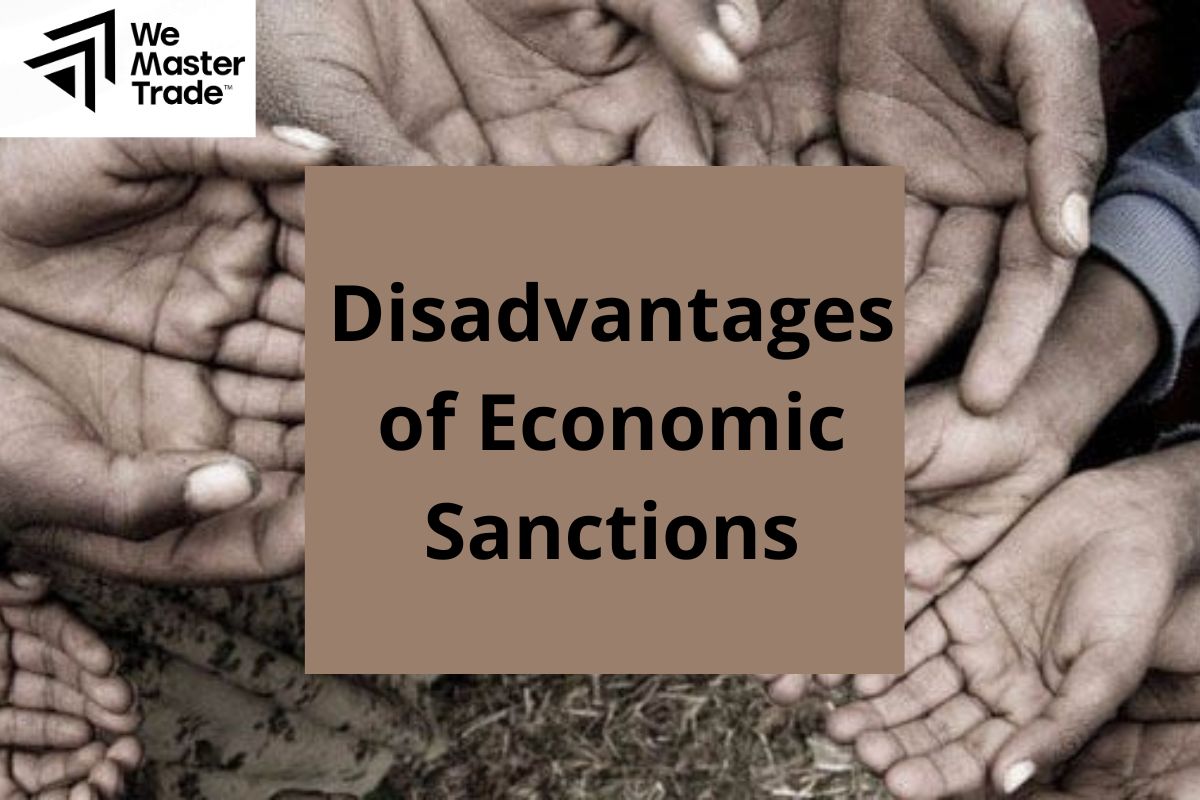
- Economic Backlash: Sanctions can backfire, harming the economies of both the target and the imposing country or countries, especially if they disrupt global trade.
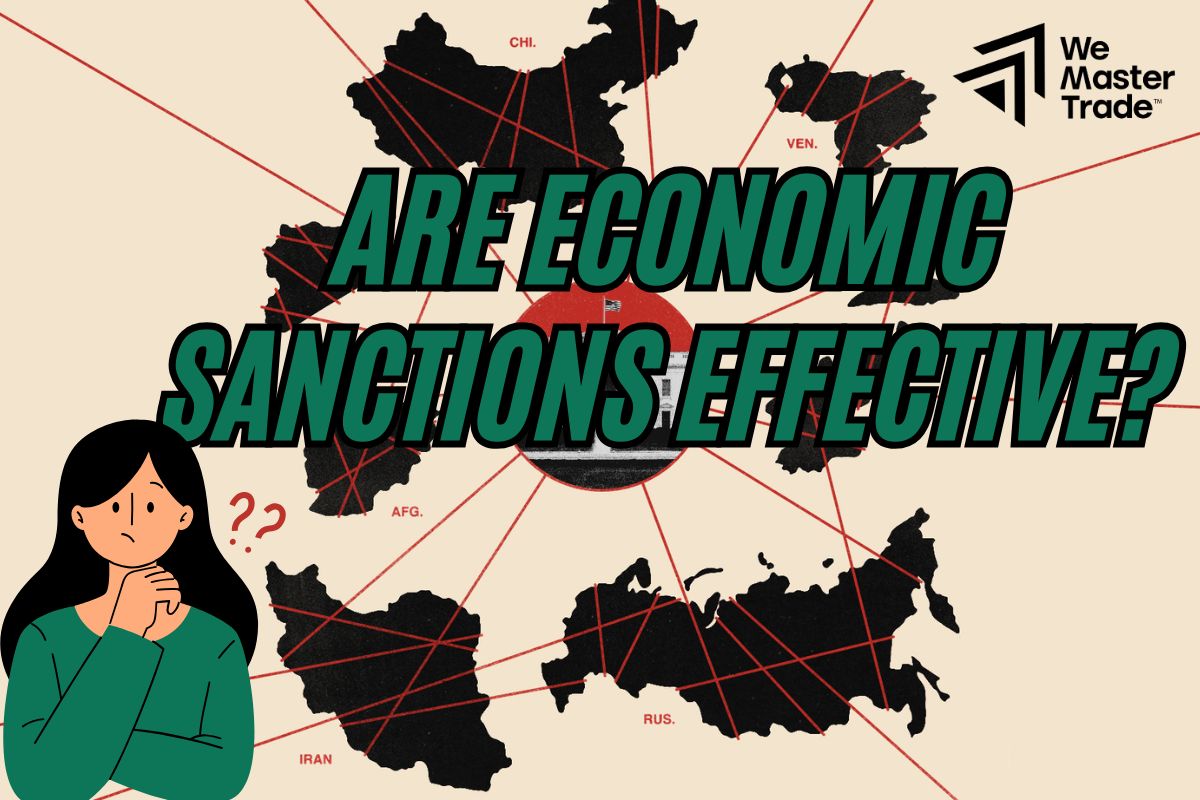
Are Economic Sanctions Effective?
Economic sanctions can be effective in achieving specific goals, such as enforcing international laws, promoting human rights, or deterring aggression, especially when imposed by multiple countries or international bodies. Targeted sanctions that focus on specific individuals or industries tend to be more effective, as they reduce harm to civilians while pressuring key actors.
However, their effectiveness can be limited if the targeted country is resilient, finds alternative trade partners, or if sanctions lead to unintended humanitarian consequences. Additionally, without clear objectives or strong enforcement, sanctions may fail to achieve desired outcomes.
When Are National Sanctions Most Effective?
National sanctions are most effective when they have strong international support, clear and achievable goals, and target vulnerable regimes with economies dependent on global trade. Targeted sanctions focusing on specific individuals or industries tend to exert more pressure while minimizing harm to civilians. Additionally, sanctions are more effective when sustained over time and combined with diplomatic efforts. In short, national sanctions work best when they are coordinated, focused, and sustained with clear objectives.
Conclusion
In conclusion, economic sanctions are a powerful tool used to influence a nation’s behavior without resorting to military conflict. While they can be effective in achieving goals like enforcing international law, promoting human rights, and deterring aggression, their success depends on factors such as international cooperation, clear objectives, and the resilience of the targeted nation. Act now and gain deeper insights into how economics shapes the world economy!
See more: