












Unlock the power of Trading Signals to enhance your trading success! Discover how accurate signals can guide you in making smarter investment choices. Whether you’re a beginner or an experienced trader, trading provides real-time insights and market trends that can maximize your profits. Ready to take your trading to the next level? Explore the best trading and start making more informed trades today!
What Are Trading Signals?
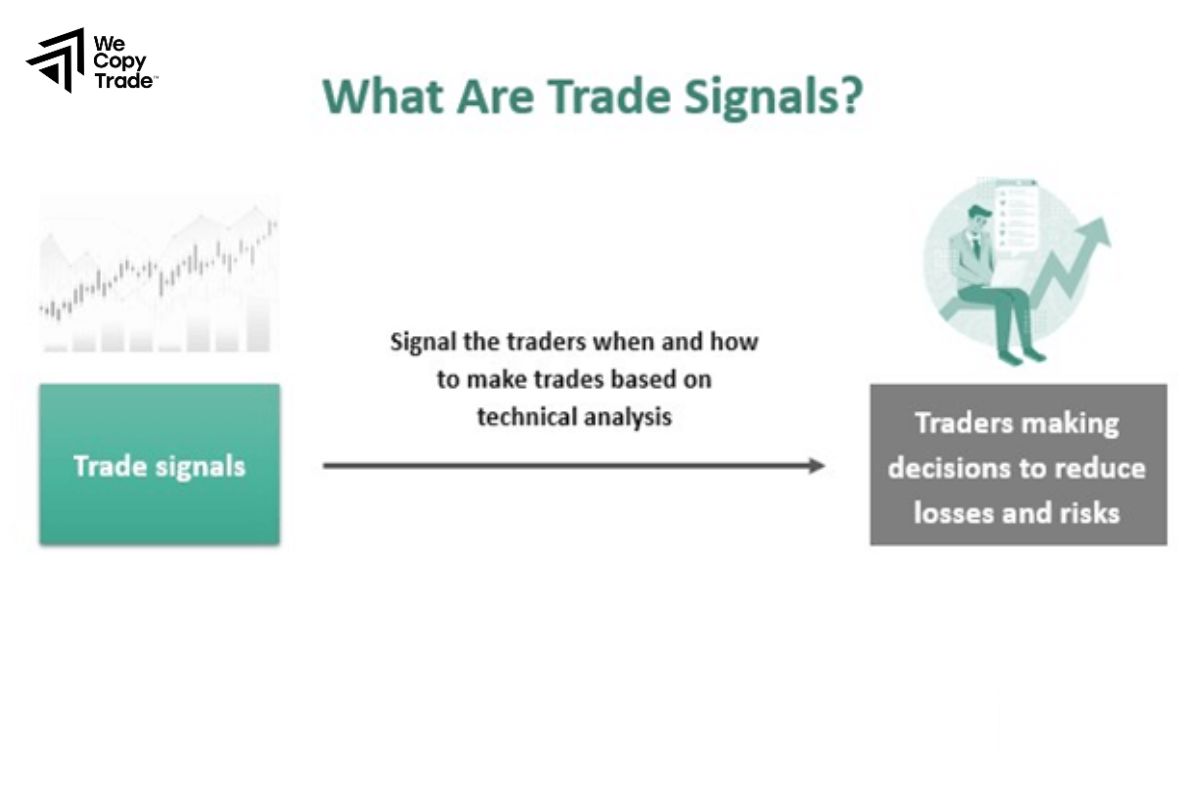
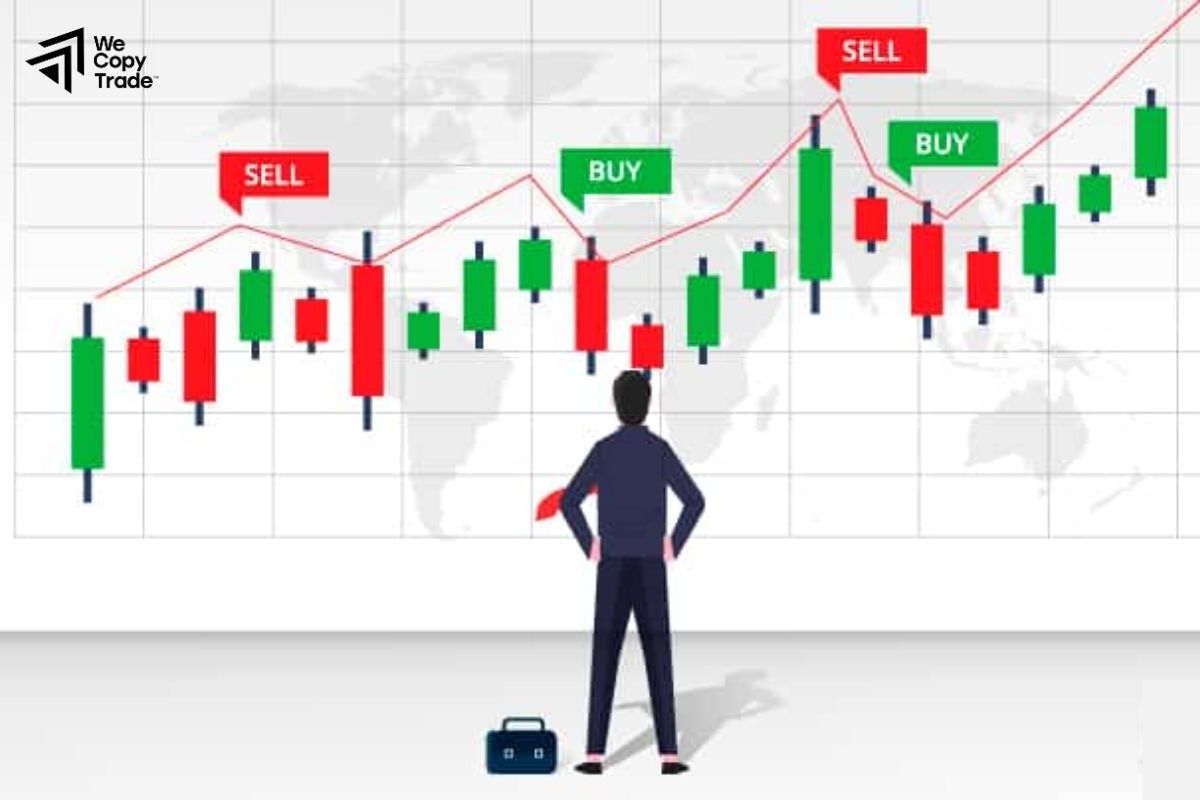
Trading signals are indicators or alerts used to guide traders on when to buy or sell financial assets like stocks, currencies, commodities, or cryptocurrencies. These signals can be generated through technical analysis, using price charts and indicators like moving averages, RSI, or MACD, or through fundamental analysis, based on economic factors, financial reports, or market news.
Trading signals are often provided by trading experts, signal service platforms, or automated trading software. These signals may include specific details like the entry point, target price, stop-loss level to protect capital, and the exit point to take profits. However, trading do not guarantee success and always come with risks, so they should be combined with personal analysis and a suitable risk management strategy.
See now:
- How to Predict and Take advantage of Market News thoroughly
- Forex and Commodities – Which can we get more profits from?
- Forex and Stocks Trading What Should Traders Know?
- How to Use Currency Correlations to Trade Forex for beginner
Types of Trading Signals
Here are the main types of trading signals:
Technical Signals
- Based on technical analysis, these signals use charts, indicators, and historical price data to predict future market movements. Common indicators include Moving Averages, RSI (Relative Strength Index), MACD (Moving Average Convergence Divergence), and Bollinger Bands.
Fundamental Signals
- Derived from fundamental analysis, these signals are based on economic data, financial reports, market news, or geopolitical events. They focus on the intrinsic value of an asset rather than price movements alone.
Automated Signals
- Generated by algorithms or automated trading software, these signals follow pre-set criteria to identify trading opportunities. They offer a fast, emotion-free approach to trading, using historical and real-time data.
Social Trading Signals
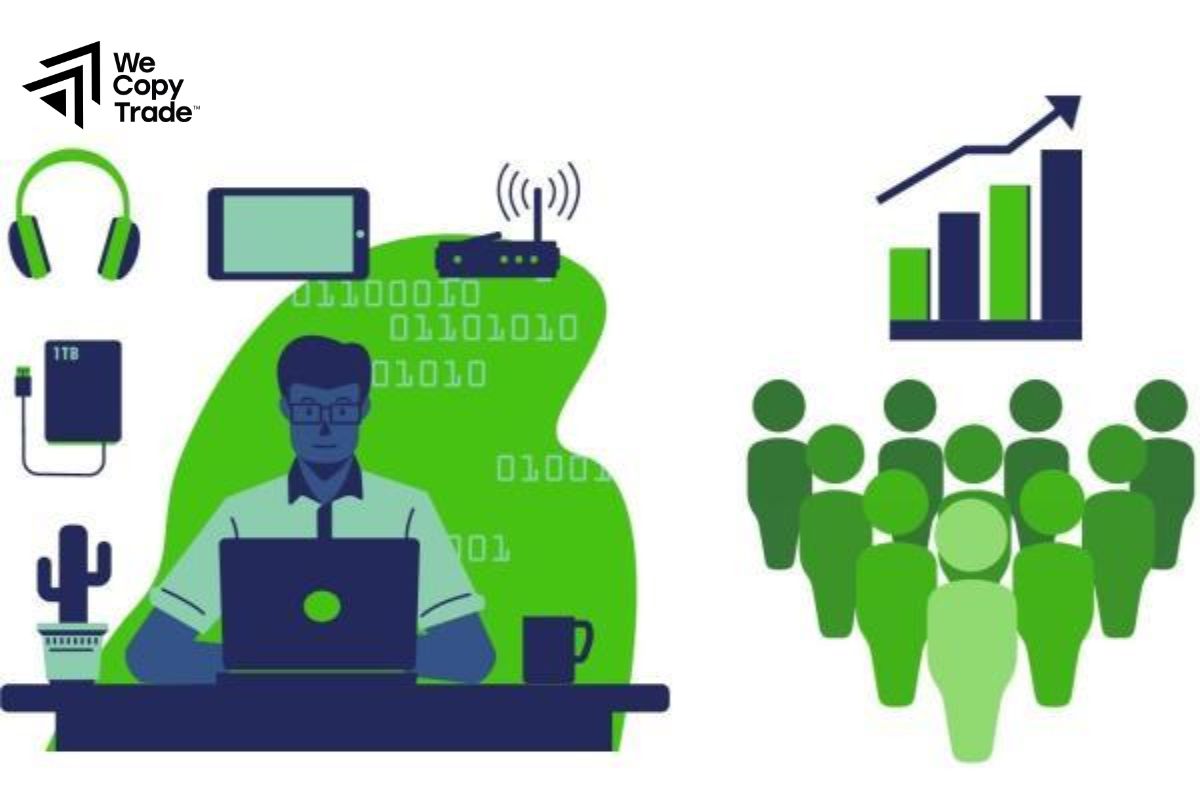
- These signals are influenced by the behavior and strategies of other traders. Social trading platforms allow users to follow or copy the trades of experienced traders, providing insights based on collective market sentiment.
Sentiment-Based Signals
- These signals analyze market sentiment, often through social media trends, news sentiment analysis, or surveys of investor confidence, to gauge the overall mood of the market.
How to use trading signals?
Here’s a more detailed version with clear instructions on how to use trading signals:
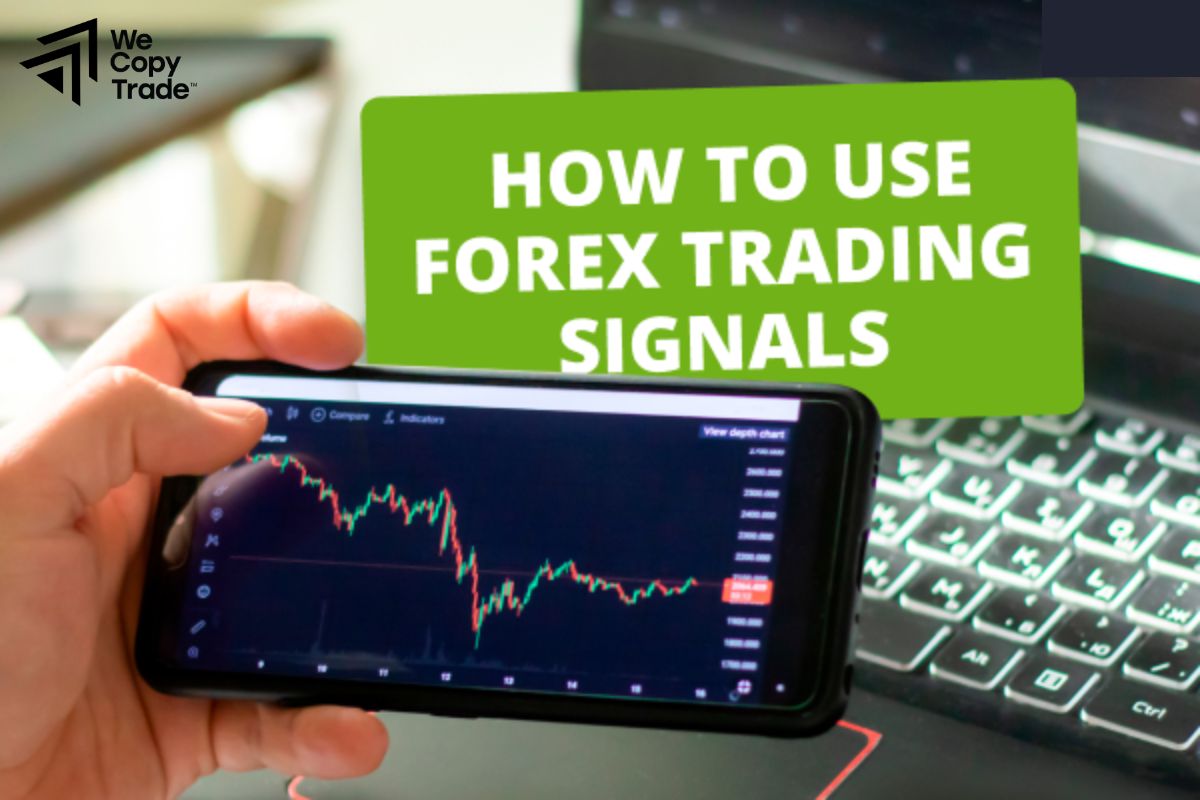
Create a Trading Account
To get started, you’ll need to open a trading account with us. Simply sign up by providing your details and completing the registration process. This is your gateway to accessing the trading platform and using trading.
Log In to Your Account
After creating your account, log in using your credentials (username and password) to access the trading platform.
Open the Trading Platform
Once logged in, navigate to the trading platform interface. Here, you’ll be able to view all the features and tools available, including the signals section.
Navigate to the ‘Signals’ Section
In the left-hand menu of the platform, look for the ‘Signals’ tab and click on it. This will take you to the area where you can browse various trading signals available for different asset classes.
Select a Trading Signal
Browse through the available signals and choose the one that aligns with your trading strategy. For example, you might choose a signal like “Buy US Tech 100” or “Sell EUR/GBP,” depending on your market outlook and preferences.
Review the Signal and Analysis
Once you select a signal, take time to review the details, including the signal itself (buy or sell), as well as the analysis that accompanies it. The analysis is typically provided by platforms like Autochartist or PIA and includes essential information about market trends and forecasts.
Execute the Trade
If you agree with the signal and its analysis, you can proceed to execute the trade. Simply click on the ‘Copy to Order’ button, which automatically populates the order with the recommended details. From there, you can place the trade with just a few clicks.
Who creates our trading signals?
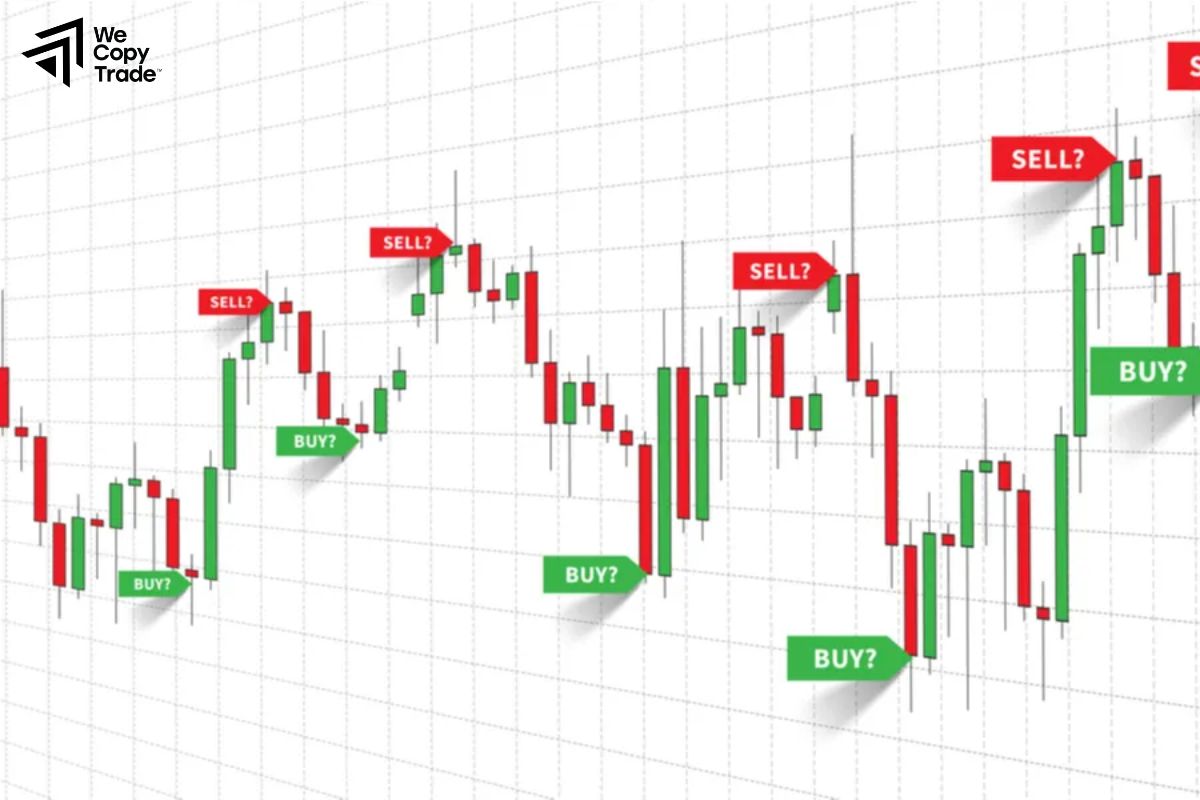
Trading signals can be created by:
- Automated Systems: Software or algorithms that analyze market data and generate signals.
- Professional Traders: Analysts or experts who create signals based on their market experience and analysis.
- Trading Bots: Programs that automatically generate signals based on pre-programmed strategies.
- Trading Platforms: Some platforms provide signals to users.
Advantages & Disadvantages of Trading Signals
Advantages of Trading Signals
- Trading signals help traders make quicker decisions by providing pre-analyzed information. This is especially beneficial for traders who don’t have time to constantly monitor the markets.
- For new traders, provide guidance and help them learn how to interpret market conditions and make decisions without needing extensive experience.
- Many trading signals come with stop-loss and take-profit levels, helping traders manage risk and protect their capital.
- Automated signals, often linked with trading bots or platforms, can execute trades without human intervention, making it easier for traders to capitalize on opportunities without being glued to the screen.
Disadvantages of Trading Signals
- Relying too heavily on trading signals can lead to a lack of independent analysis and strategy. Traders may become too dependent on signals, ignoring their own market insights.
- Some high-quality signal services require a subscription or additional fees, which can add up over time, particularly for beginners who may not fully understand how to use the signals effectively.
- Signals may not always adjust quickly enough to sudden market shifts, making them less reliable in fast-moving markets or during significant events.
Conclusion
In conclusion, trading signals can be a valuable tool for both novice and experienced traders looking to make more informed decisions and optimize their trading strategies. If you’re ready to take your trading to the next level, start incorporating trading into your strategy today. Explore our platform to find reliable, real-time signals that can guide your trades and boost your success. Don’t miss out, sign up now and enhance your trading experience!
See more: