












The dynamic forex market stands out thanks to its massive scale, superior liquidity, and 24/7 continuous volatility. What attracts many traders is its ability to shift rapidly, closely tied to global economic, political, and psychological changes. This article will dive into its characteristics, influencing factors, and how traders can approach and better understand the dynamic forex market.
Key Features of the Dynamic Forex Market

Key Features of the Dynamic Forex Market
See now:
- Prop Firm Trading Techniques: From Basic to Advanced
- Qualifying for a Prop Firm: All the Skills You Need
- What is Exchange Rate? A Comprehensive Guide for Traders
- Prop Firm Career Opportunities: New Path for Modern Traders
Global Scale and Decentralization
Unlike the stock market, which focuses on specific exchanges, forex is a decentralized network operating across major financial hubs such as London, New York, Tokyo, and Singapore. This decentralization allows the market to run non-stop, instantly reflecting global developments.
Massive Liquidity
One of the reasons many consider forex to be a dynamic forex market is its unmatched liquidity. The enormous trading volume enables traders to buy and sell quickly with minimal barriers, reducing the risk of price manipulation.
Transparency and Accessibility
Major currency pairs are highly transparent, with low bid-ask spreads. Thanks to technology, retail traders can now enter the market with relatively small capital, making the dynamic forex market increasingly “democratized.”
Main Participants in the Dynamic Forex Market
Retail Traders
This is the largest group, trading through online platforms. They range from beginners to seasoned traders, using analytical tools, leverage, and flexibility to seek opportunities in price fluctuations.
Large Institutions and Central Banks
- Financial institutions & hedge funds: Trade in huge volumes, potentially impacting exchange rates.
- Central banks: Manage monetary policy and sometimes intervene directly by buying/selling currencies to stabilize their national currency.
- International corporations: Use forex for hedging against currency risk in cross-border transactions.
This diverse participation ensures that the dynamic forex market reflects both commercial needs and speculative activity.
Factors Influencing the Dynamic Forex Market
- Economic indicators: GDP, inflation, employment, interest rates—each release can swing exchange rates.
- Monetary policy: Decisions from the Fed, ECB, BOJ, etc., often trigger major shifts.
- Geopolitical events: Elections, conflicts, or trade wars can cause sudden volatility.
- Market sentiment: Investor emotions and expectations can spark strong buying or selling waves.
Together, these factors make forex truly a dynamic forex market, where prices change almost every second.
Price Volatility in the Dynamic Forex Market
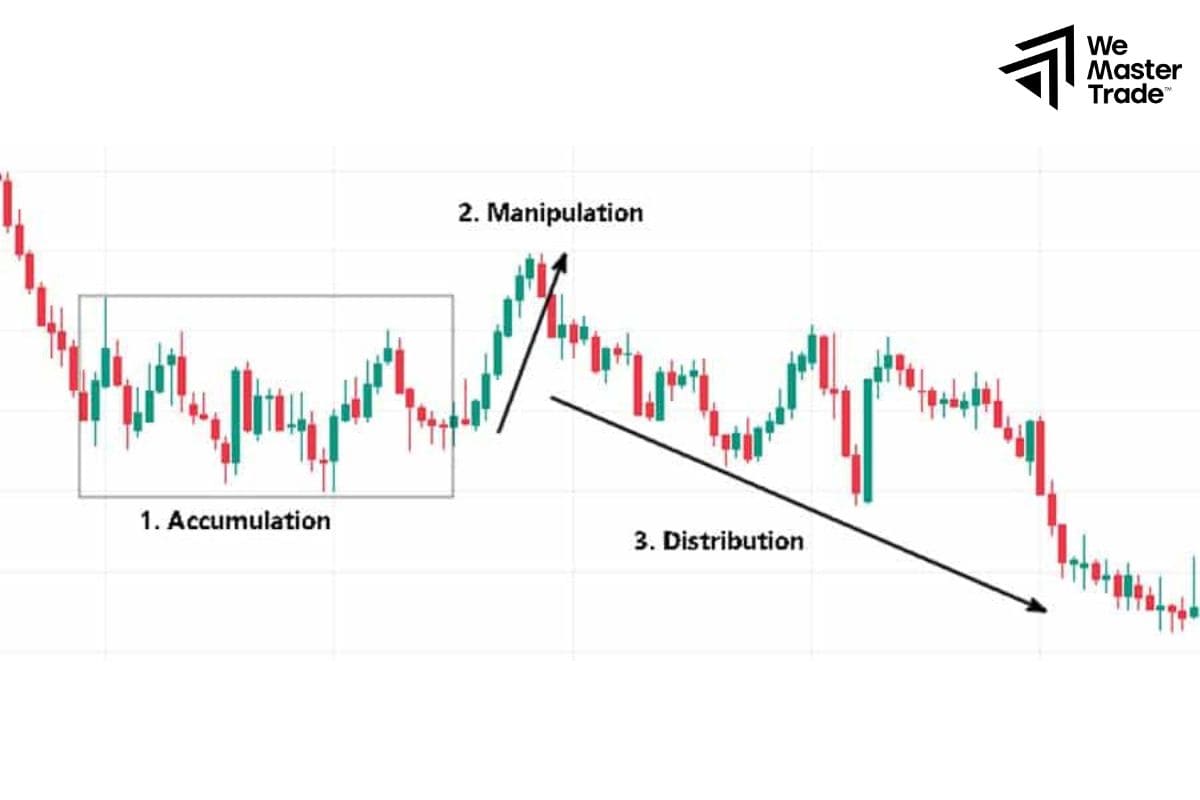
Price Volatility in the Dynamic Forex Market
Intraday Swings
Within minutes, exchange rates can move by dozens of pips. During overlapping sessions (e.g., Europe–U.S.), volatility tends to spike, creating both opportunities and risks.
Technical and Fundamental Analysis
- Technical: Using charts and indicators like RSI, MACD, and moving averages to spot trends or reversals.
- Fundamental: Tracking monetary policy, macroeconomic data, and political news.
- Market sentiment: Measured via news, trader positioning, or even social media discussions.
By combining these methods, traders gain deeper insights into the rhythm of the dynamic forex market.
Common Strategies in the Dynamic Forex Market
Day Trading
Exploits intraday moves. Advantage: avoids overnight risk. Downside: requires constant monitoring.
Swing Trading
Holds trades for days to weeks, capitalizing on medium-term trends. Well-suited to the volatility of a dynamic forex market, where prices often move in waves.
Position Trading
A long-term approach based on macro trends. Requires significant capital and patience but is less affected by short-term fluctuations.
Risk Management in the Dynamic Forex Market
Risk Management in the Dynamic Forex Market
Despite abundant opportunities, risks are always present. Traders often apply:
- Diversification across currency pairs to avoid dependency on one market.
- Stop-loss orders to limit losses when prices move against them.
- Risk/reward ratios (e.g., 1:2 or 1:3) to ensure potential gains outweigh risks.
Risk management is the shield that safeguards an edge in the ever-changing dynamic forex market.
Conclusion
In summary, with its global nature, high liquidity, continuous volatility, and diverse participants, forex is truly a dynamic forex market. The most important approach is to view forex objectively—as a system reflecting the global economy, not merely a “quick profit machine.” With knowledge, discipline, and the right mindset, traders can unlock the true value of the dynamic forex market.
See more: