




Do you have a habit of researching product information before shopping? Industry Situation is similar. To be able to make the right decision before starting to invest, let’s find out about effective research methods right below!
What is Industry Situation?
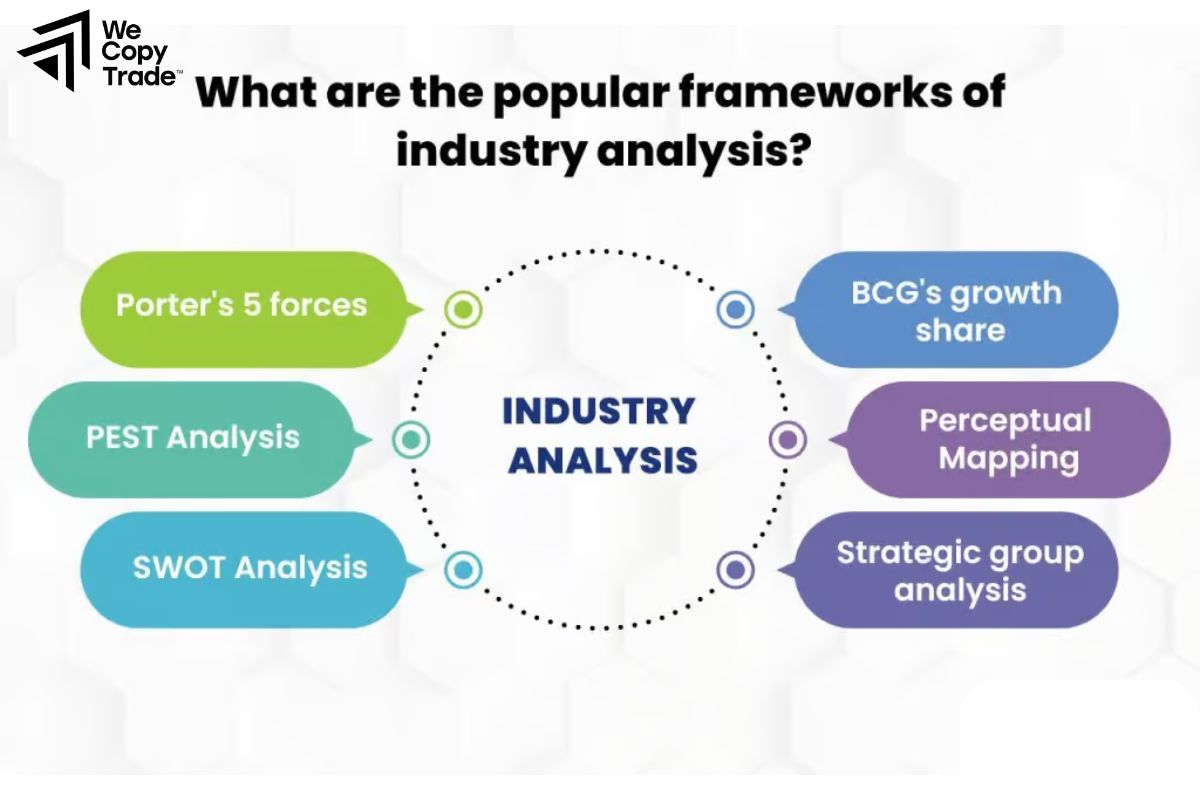
Industry analysis is an important tool that helps businesses make data-driven decisions. It provides an overview of the market, including market size, growth rate, consumer trends, and manual competition. Therefore, businesses can determine their position in the market and build effective business strategies.
See more:
- What is Pullback? Effective Trading Methods You Should Know
- Basic types of fundamental analysis for effective investing
- The Importance of Macroeconomics in the Forex Market 2024
Types of Industry Situation
When exploring an industry, business people often use the “three” main analysis tools: Porter’s Five Forces Analysis, PEST Analysis, and SWOT Analysis. Each of these tools plays an important role in helping businesses better understand the competitive environment and make informed business decisions. Let’s find out how the toolkit works right away!
Porter’s Five Forces
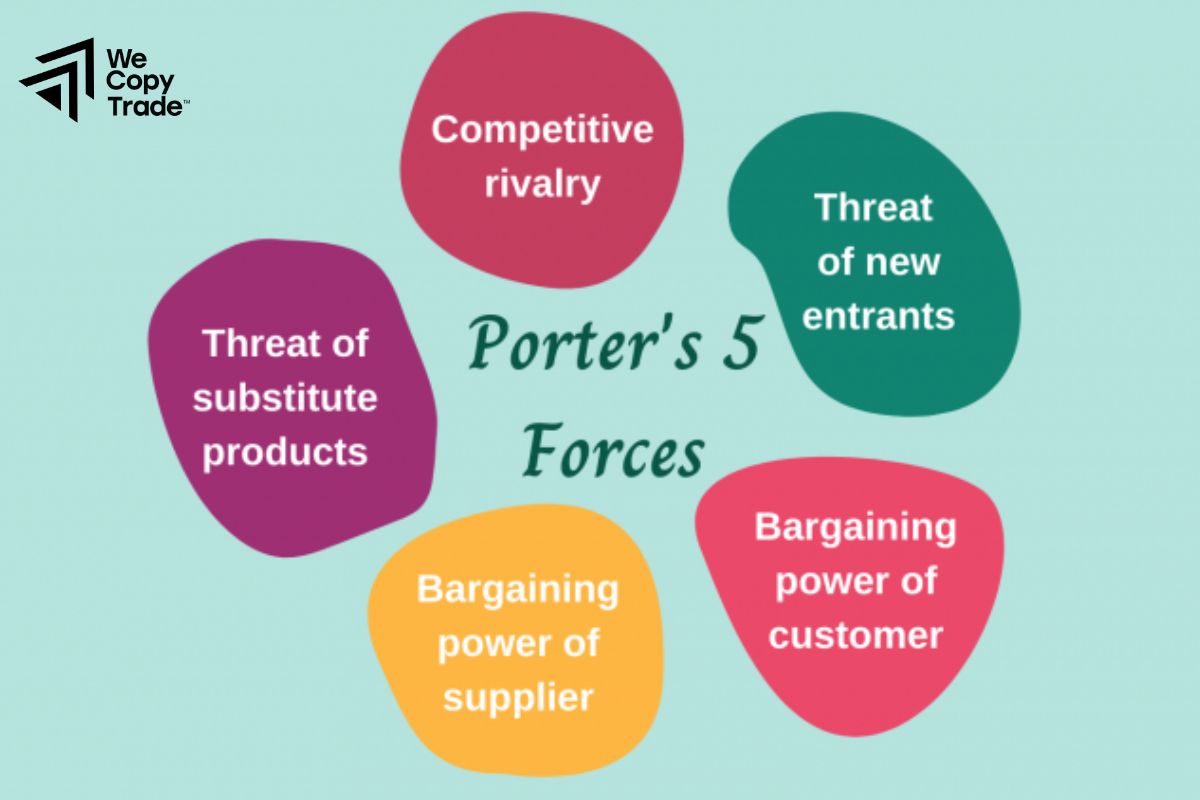
- Industry competition level:
Businesses always have to compete to gain a foothold in the market such as launching promotions, new products, and advertising heavily. The more fierce the competition, the more businesses have to invest to survive and develop.
- Threat of substitute products:
Customers are always looking for better, cheaper products or services. Substitute products will set a limit on the price that businesses can offer.
For example: The emergence of smartphones has reduced the demand for digital cameras.
- Buyer bargaining power:
The more choices customers have, the more advantage they have in negotiating prices and demanding better service quality. If customers have high bargaining power, businesses will find it difficult to increase prices and profits will be affected.
- Supplier bargaining power:
When an Industry Situation has only a few “big guys” supplying raw materials or services, they will hold a very strong position. These “big guys” can freely adjust prices, quality and delivery terms as they wish.
- Barriers to entry:
Barriers to entry indicate how difficult it is for a new business to enter an industry.
For example, to enter the aviation industry, a business must invest a huge amount of capital in airplanes, airports, and must meet a series of strict safety standards. Therefore, the barriers to entry in the aviation industry are very high, making competition more difficult.
PEST Analysis
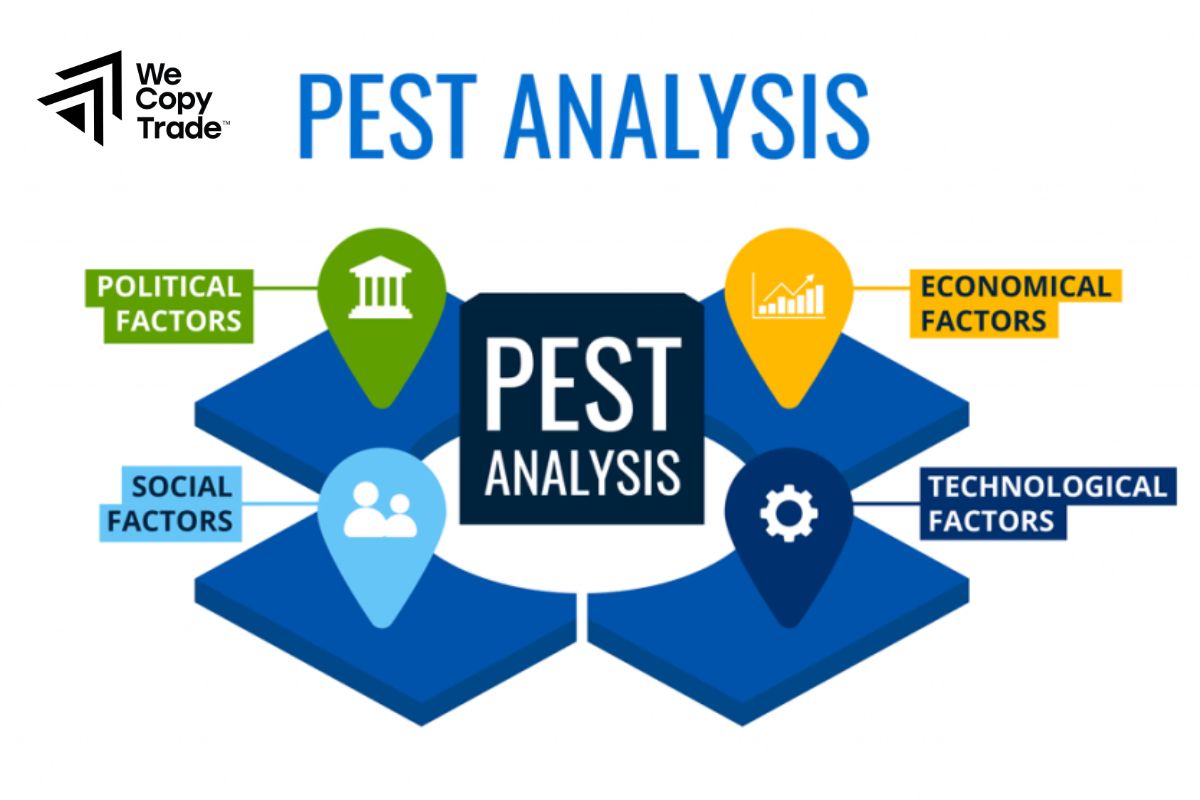
PEST analysis will help us better understand the factors that can affect the industry, political and economic fluctuations, changes in society and technology.
The main factors of PEST include:
- Political:
Government laws and regulations will determine the “rules of the game” that businesses must follow. Government policies on the environment, labor, and trade will create a favorable or difficult business environment.
- Economic:
GDP growth rate, inflation, and interest rates will directly affect consumer purchasing power and businesses’ access to capital. An unstable market with many fluctuations will create risks for business activities.
- Social:
Changes in culture, lifestyle, and population will affect customers’ needs and preferences. Social issues such as the environment, health, and gender equality will also affect consumer decisions.
- Technological:
Technological advances will create new opportunities but also pose new challenges for businesses. To keep up with trends, businesses must constantly innovate.
SWOT Analysis
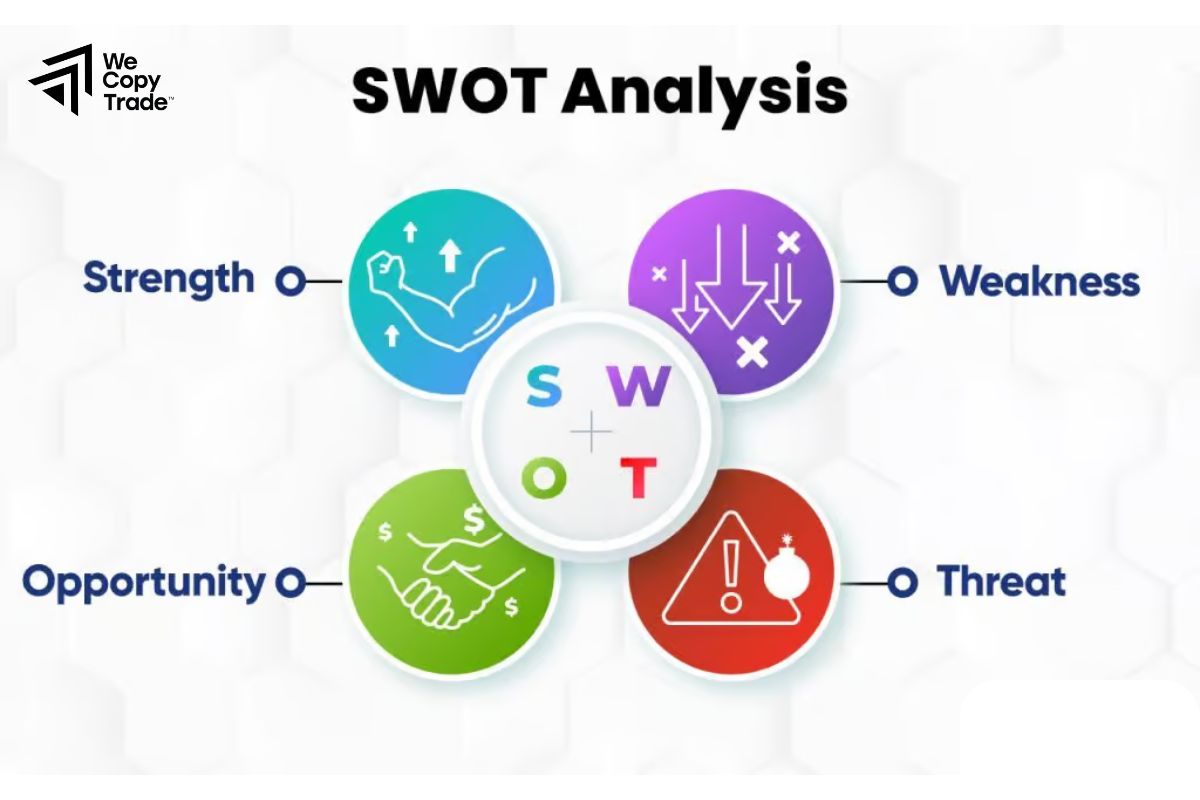
SWOT analysis helps businesses have an overview of the current situation, thereby identifying strengths to exploit, weaknesses to overcome, opportunities to seize and challenges to face.
Importance of Industry Situation
Industry Situation plays an extremely important role in helping businesses grasp how the market operates, predict trends, and thereby plan more effectively. Especially for small businesses, industry analysis becomes even more important, because it helps them minimize risks and increase competitiveness. However, it should be noted that industry analysis is only a supporting tool, and should not be overly dependent on it. If the data is inaccurate or analyzed incorrectly, businesses can make wrong decisions and suffer the consequences.
Who Can Benefit From an Industry Situation?
Industry analysis is an indispensable stepping stone for anyone interested in the market and intending to invest in business such as large-scale investors, enterprises, governments and consultants, helping them have an overview of the market to have accurate investment strategies and decisions.
How to Conduct Industry Situation
Follow these steps to conduct an effective industry analysis
- Conduct background research:
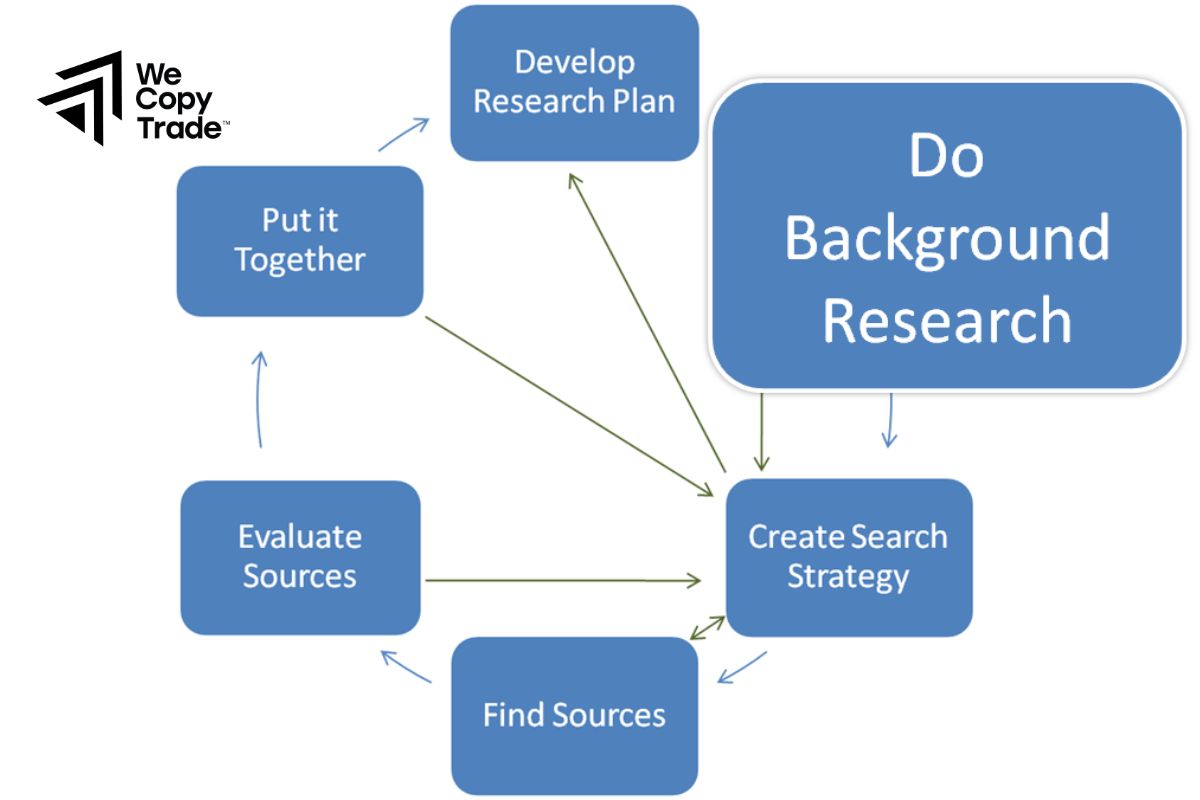
The first step to have a solid foundation before entering a real business investment is to thoroughly understand that field or even just focus on a specific target such as a potential customer group.
- Collect data:
To solve the problems posed in step 1, you need to collect pieces taken from reputable sources such as reports, statistics, advertisements, and many other sources of information.
- Analyze data:
After collecting the necessary information, start analyzing the stories behind the numbers using appropriate analysis tools and methods. From there, find the rules and trends of the market. When analyzing, do not forget the external factors that can affect the results.
- Writing Your Analysis:
A crucial step is to color your industry analysis to make it understandable and convincing. Use popular report templates to help make your report better.
- Evaluating Your Business:
Now that you have a complete picture of the market, use this information to make important strategic decisions for your business.
Mitigate Risk with Industry Situation
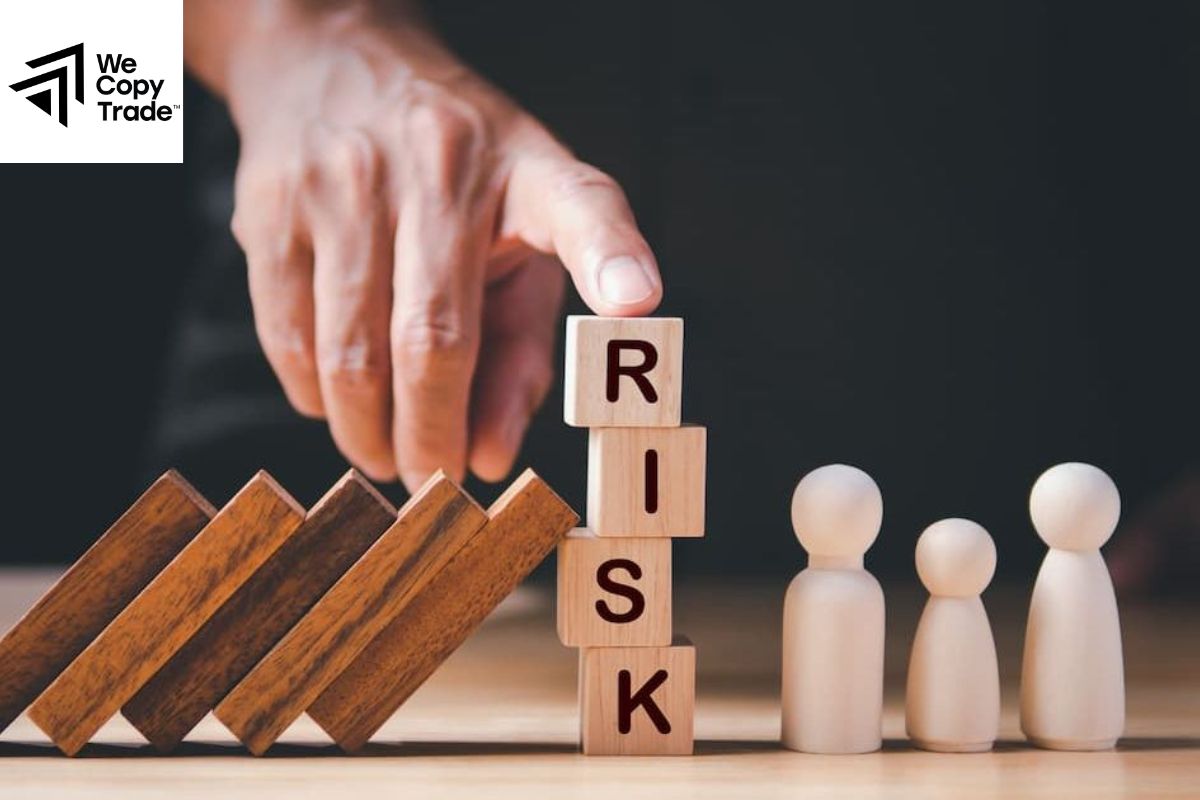
Top Risk Mitigation Tips:
- Build a Strong Research Team
Although there are many tools to support research, people are still the core factor that determines success. Building a strong, honest, and trustworthy analytical team will help minimize the risk of misinformation. Before starting to work together, carefully check the profile and experience of each member to ensure they are suitable for the project.
- Compare the motivations of your partner with your own motivations
To truly conquer the set goals, you need a trustworthy companion. Be transparent between your partner’s goals and your goals, then agree on a common goal to ensure both parties benefit.
- Data Security
In the current era of technological advancement, exchanging and sharing information has become easier. However, research information should be kept strictly confidential. To do this, you should establish appropriate confidentiality policies to ensure that project participants have adequate knowledge and comply with confidentiality regulations.
- Agreement on research results
The final step in completing the data analysis process is sharing the research results. To ensure fairness and transparency, you need to discuss how the research results will be used. This includes determining who will own the intellectual property rights, how we will publish the research results, and how we will use those results to serve the project’s goals.
Conclusion
In conclusion, Industry Situation is an important stepping stone before embarking on a business investment. To be able to research effectively to prevent risks, do not forget to combine it with appropriate tools and methods.

