











In financial market analysis, forex trading volume is considered one of the most important indicators. It reflects the number of transactions that have taken place in a certain period of time, helping traders understand the strength or weakness of a trend.
Let’s learn more about the concept and nature of trading volume in the following article:
What is Forex trading volume?
Forex trading volume is the number of lots (trading units) of a currency pair bought or sold in a period of time. When observing the chart, you often see volume shown as bars below the price, indicating the level of market interest at each stage.

- High volume: Indicates that the market is active, many buy and sell orders are taking place.
- Low volume: Indicates few transactions, limited liquidity, prices are likely to fluctuate strongly when large cash flows appear.
Volume does not directly indicate whether prices will go up or down, but it helps confirm the strength of a trend.
See Now:
- Prop Firm Trading Office – Facts Traders Need to Know
- Learn How to Invest Smartly in Prop Firms in Just 5 Minutes
- Prop Firm Trader Interviews – A Practical Perspective
The Importance of Forex Trading Volume
Trend Confirmation
A trend is only sustainable when there are many traders participating. Therefore, forex trading volume increasing in the same direction as price is a signal of strengthening the trend. Conversely, increasing price but decreasing volume can be a warning of weakness.
Recognizing a possible reversal
High volume appearing after a long period of price increase or decrease can signal that the market is about to reverse. This is when buyers and sellers are in a strong tug-of-war, shown by small price fluctuations but still high volume.
Evaluating liquidity
Major currency pairs such as EUR/USD, GBP/USD or USD/JPY often have high forex trading volume, which means high liquidity. This helps to execute orders faster, lower spread costs and less volatility.
Popular Volume Indicators in Forex
Money Flow Index (MFI)
This indicator combines price and volume to measure the flow of money into or out of the market. MFI ranges from 0 to 100, with readings above 80 indicating an overbought market and below 20 indicating an oversold market.
On-Balance Volume (OBV)
OBV calculates cumulative volume based on whether the closing price is up or down. When price and OBV both make new highs, an uptrend is confirmed; when both are down, a downtrend is more sustainable.
Tick Volume Indicator
This is the most basic indicator, showing the number of price movements over a specific period of time. Although it does not measure global volume, it still gives traders a sense of market activity.
How to Calculate Forex Trading Volume
Tick Volume
Since the Forex market does not have a centralized order book, many platforms use tick volume – the number of times the price changes in a given period of time – to estimate volume. While it does not reflect the entire global market, tick volume can still indicate the level of trading activity.
Volume Indicator on the Chart
Some platforms provide volume data based on the number of orders processed by the broker. The green or red volume bars below the price chart indicate higher or lower volume compared to the previous session, which helps traders analyze market consensus.
Strategies Using Forex Trading Volume
Trend Trading
In this strategy, traders look for price increases or decreases with increasing volume. For example, if EUR/USD rises at the same time as forex trading volume increases, this could be a sign of a sustained uptrend.
Reversal Trading
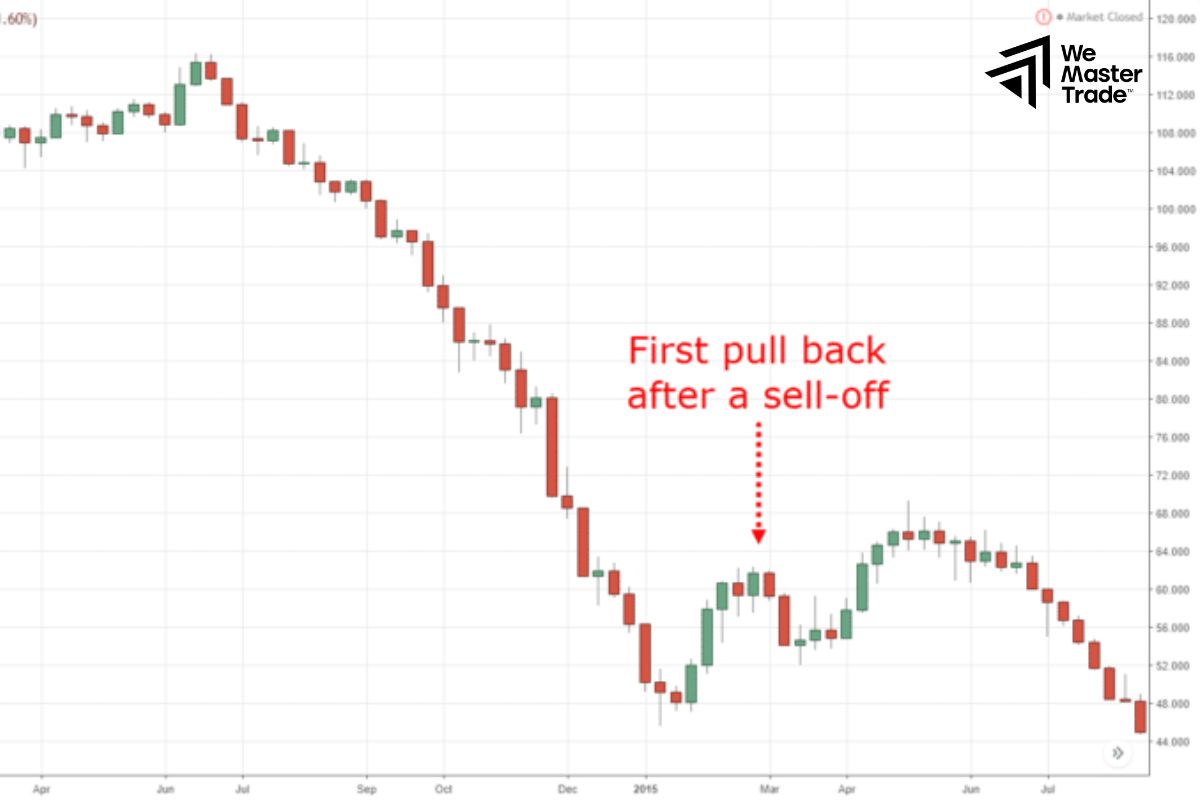
When after a strong rally, the price starts to level off but the volume remains high, it is likely that the old trend is losing strength. Traders can combine volume with reversal candlestick patterns such as Doji or Shooting Star to increase reliability.
Breakout Trading
A spike in volume when the price breaks above a support or resistance level is a confirmation signal for a breakout. If the volume is low, the possibility of a false breakout is higher.
Limitations of Forex Trading Volume
No Centralized Data: Because the market is decentralized, volume only reflects the range of each exchange or broker.
Lagging Signal: Volume often confirms a trend after it has formed.
Confusing: High volume does not always mean a price increase; it just shows more participants.
Practical Applications of Forex Trading Volume
- Individual Traders: Use volume to confirm signals from other tools such as moving averages (MA), RSI, or MACD.
- Financial Institutions: Use volume to assess market participation before making large trades.
- International Businesses: Monitor volume to understand the liquidity of currency pairs related to import-export contracts.
Developing Trends in Forex Trading Volume Analysis
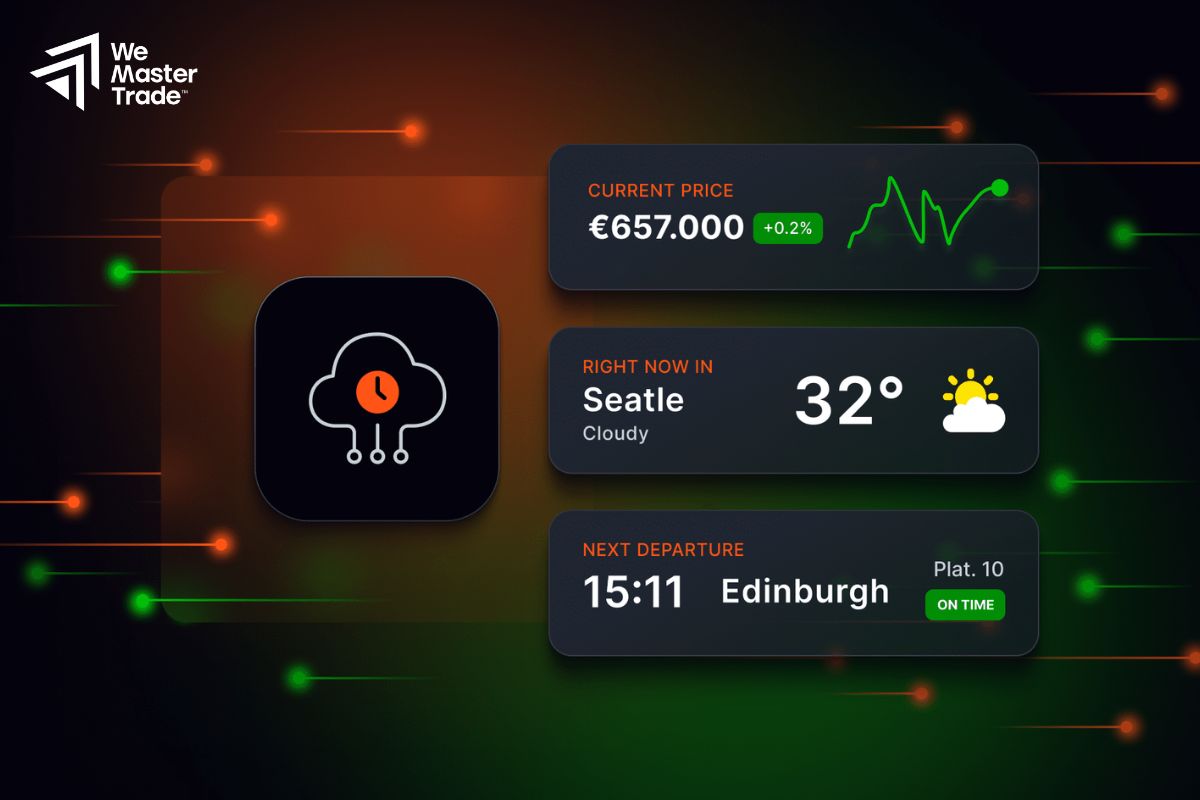
In the future, forex trading volume data may become more accurate thanks to:
- Real-time data API: Providing real-time quotes and volume updates to both individual and institutional traders.
- Artificial Intelligence (AI): Analyzing volume to detect reversal signals early.
- Blockchain: Bringing transparency and centralizing trading data from multiple sources.
Conclusion
In short, forex trading volume is one of the most important factors in analyzing trend strength, reversal potential, and market liquidity. Understanding how to read and apply volume helps traders make more accurate decisions, minimize risks, and seize opportunities in an ever-changing market.
See more: