




In the volatile forex market, many traders often focus on strategies, technical tools or indicators. However, there is an important but easily overlooked factor: Forex Trading Psychology.
Psychology not only affects how you enter and exit orders, but also determines patience, discipline and risk management. Many traders fail, not because of lack of knowledge, but because they let emotions dominate their decisions.
What is Forex Trading Psychology?

Forex Trading Psychology is the mental, emotional, and thinking state that influences the decision-making process in trading. It includes:
- Personal emotions (greed, fear, anxiety, hope).
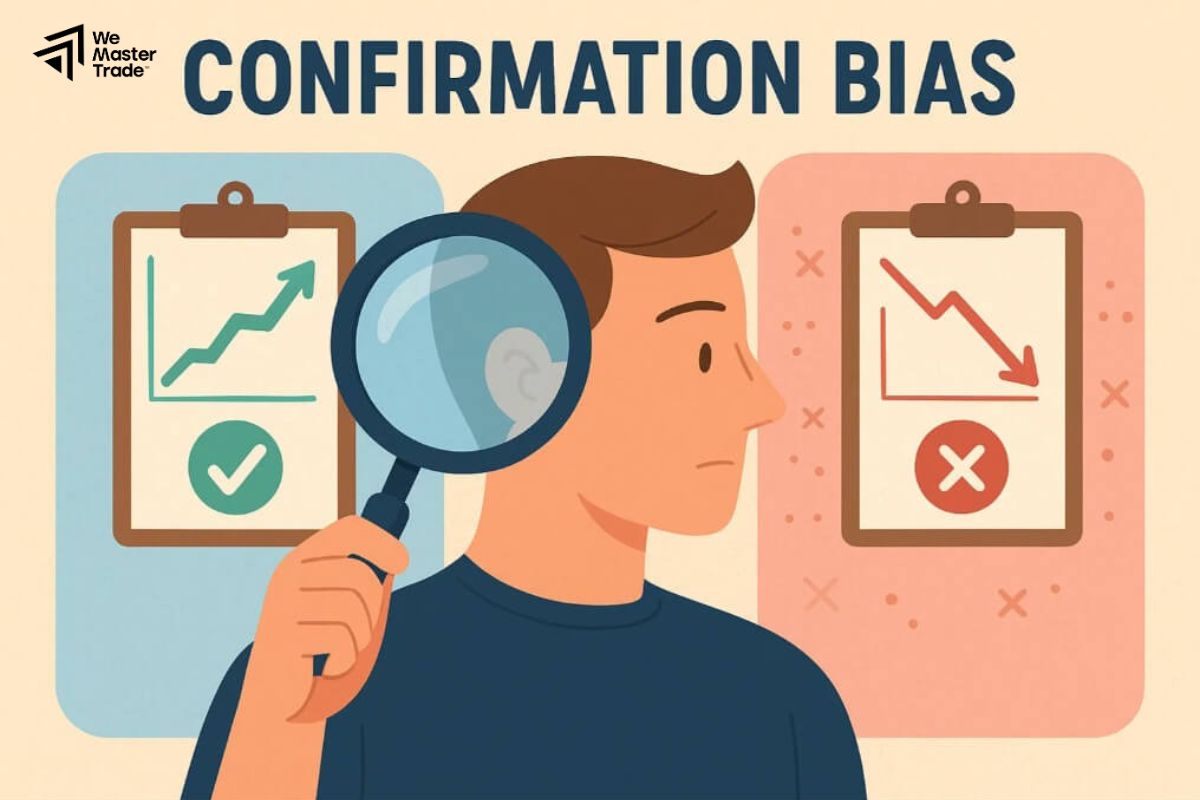
- Thinking biases (confirmation bias, loss aversion, illusion of control).
- Personality (patience, discipline, confidence, assertiveness).
- External influences (pressure from the community, news, market trends).
A trader who controls his psychology well will maintain calm even when the market is volatile, thereby making rational decisions and sticking to the set strategy.
See now:
- Should You Trade Forex? An In-Depth Look for Vietnamese Traders
- Forex Losses – How to Limit Risk Effectively in Forex
- Emotional Trader: Understand and Control to Trade Effectively
Common Emotions in Forex Trading Psychology
Greed
Greed makes traders expect too much profit, hold orders for too long, or increase the trading volume beyond the plan. This often leads to high risks and large losses.
Fear
In contrast to greed, fear makes traders exit orders too early or hesitate to enter orders when the opportunity arises. As a result, profits are missed and strategies are broken.
Hope
Many people hold losing orders for too long just because they “hope” the market will reverse. This is a dangerous psychological trap because it can deplete the account.
Over-excitement
When winning consecutively, traders often fall into a state of overconfidence, opening orders haphazardly without careful analysis. This is the reason why many accounts “burn” right after a winning streak.
That is why managing these emotions is the focus of Forex Trading Psychology.
Mental Biases That Influence Forex Trading Psychology
Confirmation Bias
- Negativity Bias: only seeing risks, ignoring opportunities.
- Hindsight Bias: thinking that you “already know the outcome”, easily leading to complacency.
- Gambler’s Fallacy: believing that the upcoming outcome will be different just because of previous outcomes.
- Loss Aversion: fear of loss is greater than desire for profit, leading to unbalanced decisions.
Influence from personal personality
- Patient people are more suitable for long-term strategies, but may miss short-term opportunities.
- Decisive people enter orders quickly, but are prone to haste if they lack analysis.
- Confident people maintain consistency, but if they are too confident, they will fall into great risks.
Therefore, to build an effective forex trading strategy, each trader needs to clearly understand the strengths and weaknesses in their personality.
External Pressure in Forex Trading Psychology
Influence from the community and media
Many traders are caught up in “herd behavior” – seeing others buy, they buy, sell, they sell. This is dangerous because everyone has a different risk appetite.
Pressure from personal expectations
Some people set goals that are too high (e.g., wanting to double their account in 1 month), causing them to constantly overtrade. This pressure not only affects the results, but also erodes their spirit.
How to improve Forex Trading Psychology
Build a clear trading plan
A plan that includes entry points, exit points, stop loss levels and order volume helps eliminate emotions.
Risk management
Only risk 1–2% of capital per trade. This reduces psychological pressure when the market goes against your prediction.
Stay disciplined
Even if you have a losing streak, stick to your plan instead of constantly changing it. Discipline helps you maintain long-term stability.
Keep a trading journal
Write down the reasons for entering orders, the results, and your emotions during the trading process. This is an effective way to see recurring psychological mistakes.
Practice with a demo account
Before using real money, test your strategy in a simulated environment. This helps train your reflexes and reduce stress.
Forex Trading Psychology and the Difference with Stocks
Forex is highly volatile, requiring quick reflexes and high discipline. Traders often lean towards technical analysis to reduce emotional factors.
On the contrary, stocks often lean towards fundamental analysis, linked to business value. Stock traders need more long-term patience.
Regardless of the market, controlling emotions is still a decisive factor for success.
Conclusion
In short, forex trading psychology is not just a theoretical concept, but a vital factor to maintain stability and long-term development. A good strategy will be meaningless if it is broken by emotions. To become a successful trader, you need to practice market knowledge and psychological control skills in parallel.
See more:

