













Credit or Debit Cards are convenient payment tools, but they work in very different ways and have some fees to be aware of when using one type of card. So which card is better for limiting losses in your trading account? Let’s find out!
What Is a Credit Card?
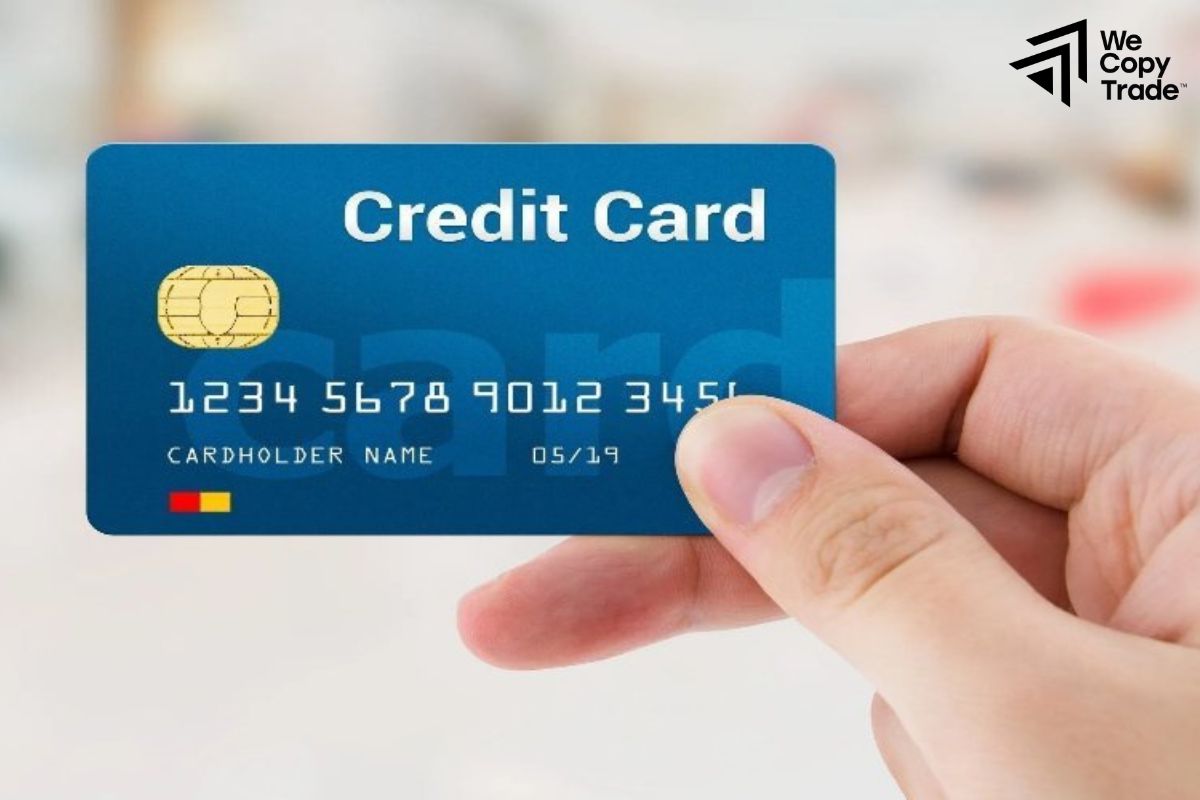
A credit card is a card issued to you by a bank or financial institution. When you have a credit card, it is like you are borrowing money from the bank to spend. Then, you will pay back the borrowed amount along with an agreed interest rate.
This type of card often comes with many incentives such as points, discounts, insurance… but also comes with temptations to easily spend beyond your means, you can shop even when you do not have enough cash.
You will have a certain amount of time to pay back the borrowed amount. If you do not pay off the debt on time, you will have to pay high interest.
See now:
- Common Deposit and Withdrawal Methods In Forex Trading
- Compare the best bank transfers brokers you should know
- What are the Benefits of Using Expert Analysis Forex?
- What are trading signals? How to use trading effectively?
Types of credit card
There are many different types of credit cards, each with its own advantages:
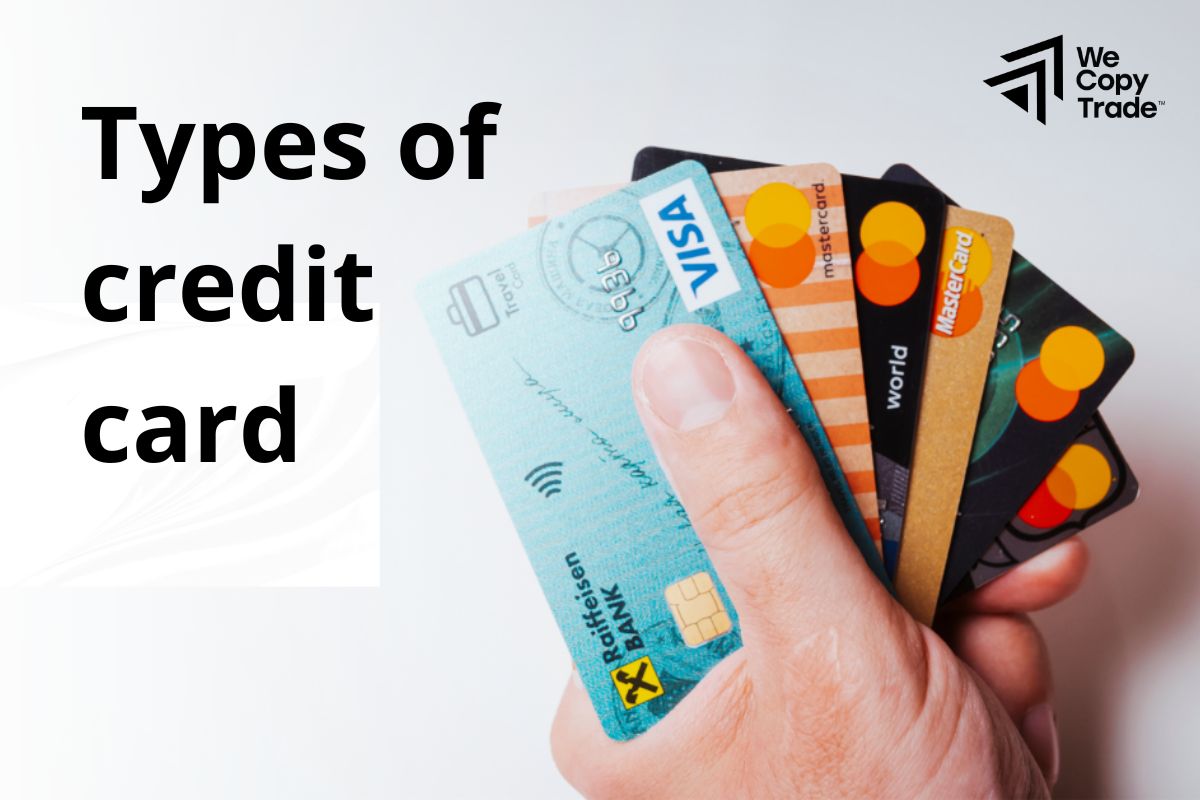
- Standard card: is a card used for shopping, withdrawing cash and usually does not have to pay an annual fee.
- Premium card: often has free access to airport lounges, receives many gifts, special support when traveling,… However, you will have to pay a fairly high annual fee.
- Rewards cards: You will accumulate reward points when using th. These reward points can be exchanged for cash, airline tickets, or other attractive gifts.
- Balance transfer card: If you have a lot of debt on other credit cards, you can transfer all of it to this card to enjoy a lower interest rate for a certain period of time.
- Secured credit card: You need to have a deposit at the bank as collateral to be granted this type of card
- Unlimited credit cards allow you to spend unlimitedly, however, you will not be allowed to carry over the unpaid balance to the next month.
What is debit card?
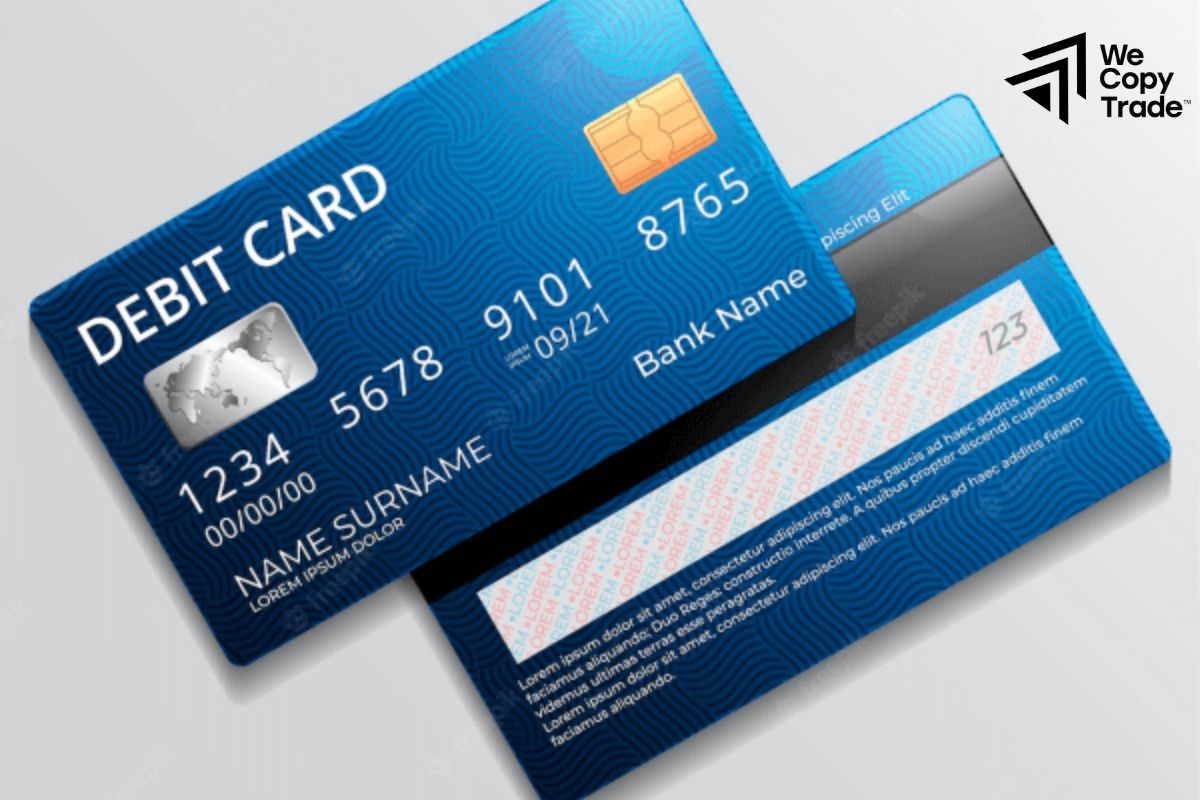
A debit card is a type of card that allows you to pay with money available in your bank account. When you swipe the card, the corresponding amount will be deducted directly from the account. In other words, you can only spend money when you have money in your account. Because you can only spend on your account, it helps you manage your spending better and not worry about paying interest. However, it also means that you cannot spend more than the amount in your account.
Types of debit card?
There are many different types of debit cards, each with its own characteristics:
- Standard debit cards are used to withdraw cash at ATMs, pay at stores, supermarkets, etc.
- EBT cards (Electronic Benefit Transfer Cards) are issued to people in need of social support. You can use EBT cards to buy food and essential goods.
- Prepaid debit cards do not require you to have a bank account. You just need to load money onto the card to use it.
- An offline debit card is a card that does not require an internet connection to make transactions. However, there will be a certain amount of time between when you swipe the card and when the money is deducted from your account.
Fees for credit or debit cards transactions with a forex broker
When using a Credit or Debit Cards to fund your forex trading account, you may incur a number of fees:
Deposit Fees
- If you deposit funds in a currency other than the currency in which your account is traded, your broker will apply a certain exchange rate and may charge you a conversion fee. Some brokers may charge a small transaction fee for each deposit.
- Your Credit or Debit Cards issuing bank may also charge you a fee for international or online transactions.
Withdrawal Fees
- Similar to Credit or Debit Cards, if you withdraw funds in a different currency, there will be a conversion fee. Your broker may also charge you a transaction fee for each withdrawal.
- Your bank may charge you a foreign ATM withdrawal fee or an online withdrawal fee.
Hidden Fees
Some brokers may charge a Credit or Debit Cards fee if your account has no trading activity for a certain period of time or a monthly or annual account maintenance fee.

Here are some sneaky fees you might not expect:
- Inactive Account Fees: Some brokers will charge you if you don’t use your account for a while. This can be particularly problematic for long-term investors or traders who take a more passive approach.
- Account maintenance fees: These fees are charged periodically, often monthly or annually, to maintain your trading account.
- For positions held overnight, especially leveraged positions, you may be charged an overnight fee, also known as a swap fee. This fee compensates the broker for holding your position and can vary depending on the market and the specific instrument.
- Deposit fees: While less common, some brokers may charge a fee for depositing funds into your account, especially for certain payment methods.
How to Credit or Debit Cards minimize transaction fees

Other ways to reduce Credit or Debit Cards transactions fees:
- Many brokers often have promotions such as free trading for a certain period of time, refunding trading fees or reducing fees for new customers. Take advantage of these offers to save costs.
- For large transactions or long-term customers, you can negotiate with the broker to reduce fees.
- Many brokers offer free trading tools such as technical analysis, trading signals, helping you make better trading decisions and reduce risks.
- Join loyalty programs to receive many attractive incentives such as fee reductions, increased trading limits, special offers, etc.
- In addition to obvious fees such as trading fees, currency conversion fees, there are other hidden fees such as inactivity fees, account maintenance fees. Read the terms of service carefully to understand and avoid unexpected charges.
- Each broker offers different types of accounts with different fees and services. Choose the account type that suits your needs and financial capabilities.
Conclusion
In conclusion, both Credit or Debit Cards have their own advantages and disadvantages. Choosing which type of card depends on each person’s financial needs and goals. If you want to control your spending tightly and do not want to get into debt, a debit card is the right choice. On the other hand, if you want to build credit, enjoy benefits and are willing to manage your finances effectively, a credit card is a good choice.
See more: