




In the ever-changing forex market, building a profitable strategy is already a challenge. However, maintaining and optimizing that strategy in practice is what determines long-term success. Therefore, adjusting the forex strategy is not simply a choice but a mandatory skill for any trader who wants to survive and grow. Follow this article to not miss out on useful real-world tips.
See more:
- Useful Prop Firm Success Tips For Traders
- Strategy to Optimize Prop Firm Investment Decisions
- Prop Firm Emotional Control Secret And Stay Mentally Stable
Why Do You Need Adjusting The Forex Strategy?
The forex market changes every hour. Price fluctuations, liquidity, macro factors, and even trading psychology can make a system that once worked effectively suddenly become inaccurate. Sticking to a fixed strategy when the market has already shifted is the reason why many traders suffer prolonged losses.
The key to adapting and overcoming these difficult phases is adjusting the forex strategy flexibly, based on clear data and monitoring. This includes changing trading techniques, reviewing timeframes, profit targets, risk ratios, and personal psychology.

The Importance Of Tracking Trading Performance
One of the most important foundations in the process of adjusting the forex strategy is systematically tracking trading performance. You cannot improve what you cannot measure. Without understanding how your current strategy is performing, every adjustment is subjective and likely to lead to errors.
To make the adjusting process accurate and effective, you need to regularly monitor the following indicators:
-
Win Rate: Indicates the probability of successful trades. If this rate is too low, the strategy may need changes in entry points or signal confirmation conditions.
-
Drawdown: A crucial index to measure risk. A profitable strategy with too deep a drawdown can affect psychology and tolerance.
-
Profit/Risk Ratio (Actual R:R): Compares expected profit to actual risk of each trade. If R:R is lower than expected, you should reconsider your take profit or stop loss placement.
A useful tool to track these indicators is a trading journal. Recording reasons for entry, results, and emotions during trades helps identify weaknesses in the system early, allowing for adjusting the forex strategy more flexibly and realistically.
When Should You Adjust The Forex Strategy?
Not every time requires changes. However, the following signals clearly indicate that it’s time to seriously consider adjusting the forex strategy:
-
A long losing streak even while following rules.
-
Market structure changes drastically, no longer suitable for the current system (e.g., from trending to sideways).
-
The strategy no longer matches your schedule or mental state.
-
Trading performance declines, drawdown exceeds control level.
Detecting these signals in time helps avoid major losses and creates opportunities for timely adjustment.
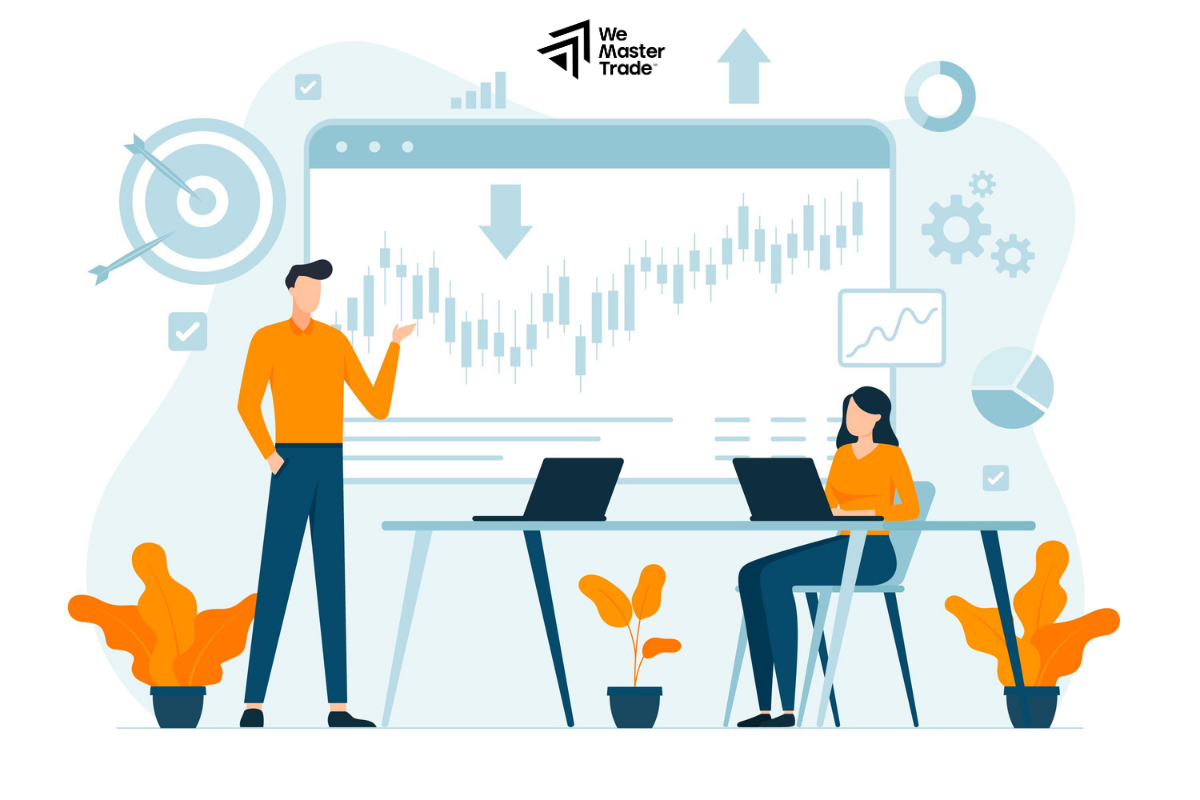
How To Adjust The Forex Strategy Effectively
Many traders find it difficult and frustrating not knowing where and how to start. Here are simple but effective methods – summarized from the experience of successful traders:
Fine-Tune Trading Time
Not all hours of the day bring the same success rate. You can try adjusting the forex strategy by focusing on high-liquidity sessions like London and New York, where volatility and signals are clearer.
Simplify The Analysis System
An overly complex strategy with too many indicators can cause confusion and conflicting signals. Instead, keep the system simple with core indicators you trust. This not only reduces mistakes but also speeds up reaction time.
Review Risk:Reward Ratio
A strategy with profit/risk ratio below 1:1.5 is often hard to sustain long-term. Adjusting the forex strategy by changing take profit points or tightening stop loss with indicators like ATR is a way to improve R:R while still controlling risk.

Test Across Multiple Timeframes
Not all strategies work well across every timeframe. Backtest and forward test on H1, M15, or D1 to find the most suitable one for your system.
Adjust To Psychology And Lifestyle
If you no longer have the patience for long-term swing trades, adjust the forex strategy toward short-term or intra-day styles. Matching strategy with personal psychology is key to maintaining discipline.
Frequently Asked Questions About Adjusting The Forex Strategy
Should you change the strategy after just one losing trade?
No. One loss means nothing. Evaluate the system only after at least 20 trades to see a real performance trend.
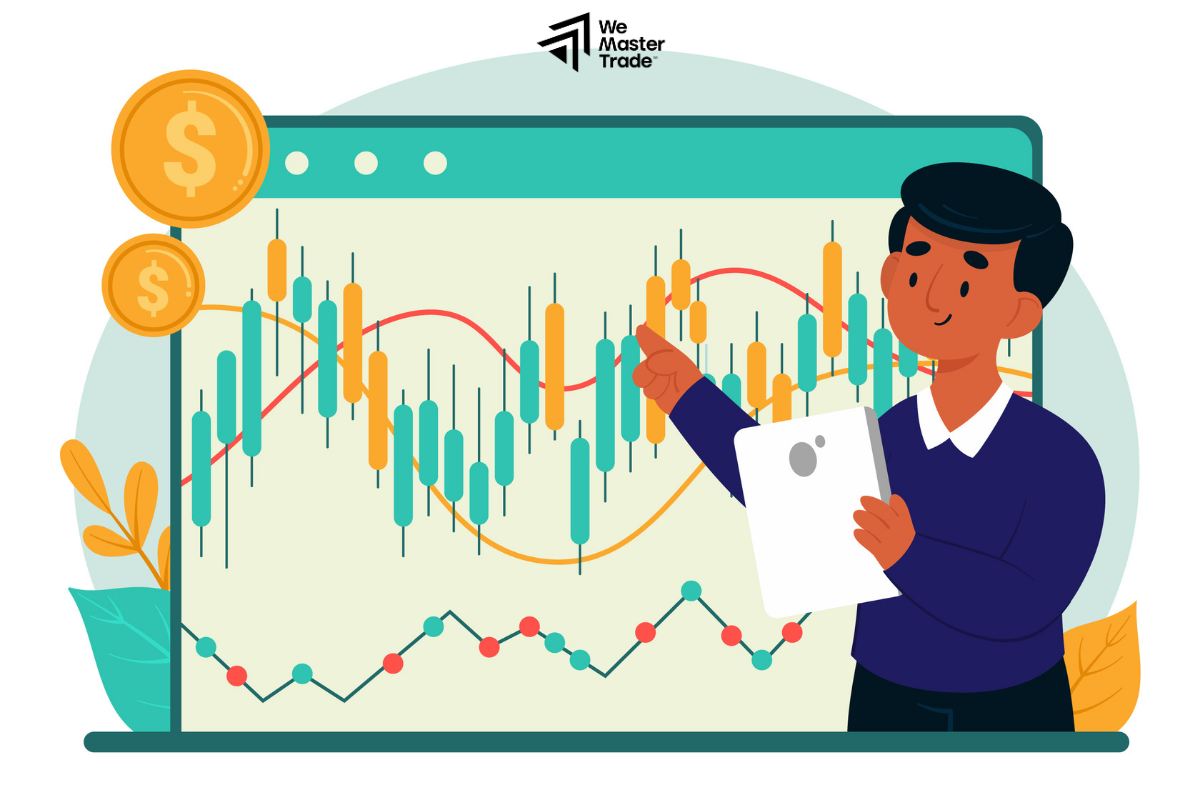
How often should you adjust the forex strategy?
There is no fixed timeframe. Typically, it’s recommended to reassess monthly or right after a major market event causing strong volatility.
Can you copy someone else’s strategy?
No, not exactly. You can learn from it, but always test and adjust the forex strategy so it fits your psychology, schedule, and reaction capability.
Conclusion
In forex, adjusting does not mean you are wrong but proves flexibility and evolution. No strategy works forever. Therefore, adjusting the forex strategy should be seen as part of a professional process to adapt to reality.
See more:

