












Global financial markets in 2026 continue to demonstrate the dynamic interplay between economic data, geopolitical events, and technological advancements, often reflected acutely in the performance of benchmark stock market indices. These indices, such as the S&P 500 or the DAX, serve as crucial barometers for investor sentiment and economic health, making their movements highly impactful for traders seeking diversified exposure. Understanding the mechanics of these instruments is a fundamental step for anyone looking to capitalize on broader market trends rather than individual company performance.
For many aspiring traders, the question of how to trade indices effectively often begins with grasping the underlying assets and the various derivatives that facilitate their exchange. Index trading offers distinct advantages, including diversification, exposure to entire economic sectors, and often, enhanced liquidity. However, it also presents unique challenges related to market volatility and the need for robust risk management. Navigating these complexities requires a structured approach and a deep understanding of both market analysis and trading psychology.
This comprehensive index trading guide will demystify the process, detailing the instruments available, outlining effective trading strategies, and emphasizing critical risk management techniques. By the end, readers will be equipped with the knowledge to approach the market confidently, understand what is index trading, and develop a systematic methodology to optimize their market profitability and successfully trade stock market indices.
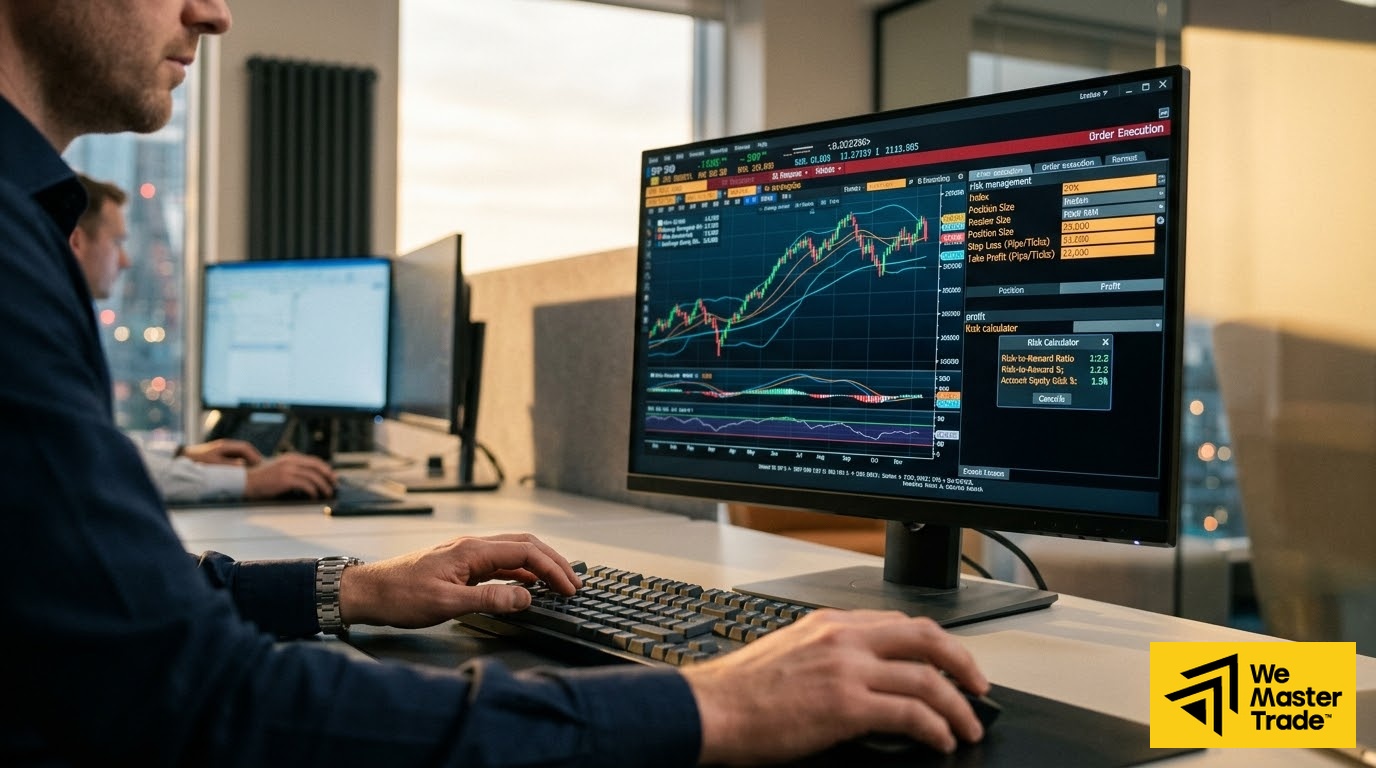
Understanding Stock Market Indices: What They Are & Why Trade Them
Stock market indices are statistical measures that track the performance of a basket of stocks, representing a specific segment of the market or an entire economy. Unlike individual stocks, which reflect the health and prospects of a single company, an index provides a broader perspective, capturing the collective movement of its constituent companies. For example, the S&P 500 (Standard & Poor’s 500) tracks 500 large-cap U.S. companies, serving as a benchmark for the American equity market, while the Dow Jones Industrial Average focuses on 30 significant U.S. companies. Similarly, the NASDAQ 100 represents 100 of the largest non-financial companies listed on the NASDAQ exchange, heavily weighted towards technology.
The Appeal of Global Indices Trading
Trading indices offers several compelling benefits. Firstly, it provides inherent diversification. When you trade indices like the S&P 500 or the FTSE 100, you are implicitly spreading your risk across multiple companies within that index. This reduces the impact of poor performance by any single stock, a key advantage over trading individual equities. Secondly, indices often exhibit smoother, more predictable trends than individual stocks, making them attractive for various trading strategies. They are less susceptible to company-specific news or events, instead responding to macroeconomic factors, interest rate changes, and geopolitical developments.
Thirdly, indices can offer high liquidity, especially major global indices, which translates to tighter spreads and efficient execution. This makes them ideal for traders seeking to trade indices online with minimal slippage. Lastly, the ability to gain broad market exposure with a single trade is highly efficient. This allows traders to express a view on an entire sector or economy without needing to analyze numerous individual companies. For skilled traders, the opportunity for an attractive payout structure can be significant when successfully trading these broad market movements.
Key Instruments for Index Trading: CFDs, Futures, Options & ETFs Explained
To successfully trade indices, it’s crucial to understand the various financial instruments available. Each instrument offers different levels of leverage, risk, and investment horizons, catering to diverse trading styles and capital requirements. The primary methods or instruments used to trade indices are Contracts for Difference (CFDs), Futures contracts, Options, and Exchange Traded Funds (ETFs).
Trading Indices with CFDs and Futures Contracts
Contracts for Difference (CFDs) are popular derivatives that allow traders to speculate on the price movements of an index without owning the underlying assets. When you trade indices CFDs, you enter an agreement with a broker to exchange the difference in the price of an index from the time the contract is opened until it is closed. This provides high leverage, meaning you can control a large position with a relatively small amount of capital, amplifying both potential profits and losses. CFD trading indices is accessible and flexible, often favored by short-term traders for its ability to go both long and short easily. Many traders learn how to trade indices on MT4, a popular platform that offers extensive CFD trading capabilities.
Futures Contracts are standardized agreements to buy or sell an asset at a predetermined price on a specified future date. Futures trading indices involves committing to the price of an index at a future point. These contracts are highly liquid and often used by institutional investors and experienced traders. They also offer significant leverage but come with daily settlement obligations (marking to market), which can require substantial capital to maintain positions. For those looking to access instant capital for such instruments, understanding the capital requirements is paramount.
Leveraging Options and ETFs for Index Exposure
Options Contracts give the holder the right, but not the obligation, to buy (call option) or sell (put option) an index at a specific price (strike price) before or on a certain date. Options trading offers flexibility and defined risk profiles, as the maximum loss for an option buyer is typically the premium paid. They can be used for speculation, hedging, or income generation, but their complexity requires a thorough understanding of concepts like implied volatility and time decay.
Exchange Traded Funds (ETFs) are investment funds that hold assets such as stocks, bonds, or commodities, and trade like ordinary shares on stock exchanges. Index ETFs are designed to track the performance of a specific index, such as an S&P 500 trading ETF. While not derivatives in the same way as CFDs or futures, ETFs allow investors to gain exposure to an index by purchasing units of the fund. They are generally considered a more long-term, investment-oriented approach rather than active trading, as they involve owning a share of the fund rather than speculating on price differences. This answers the question of how to invest in indices for a buy-and-hold strategy.
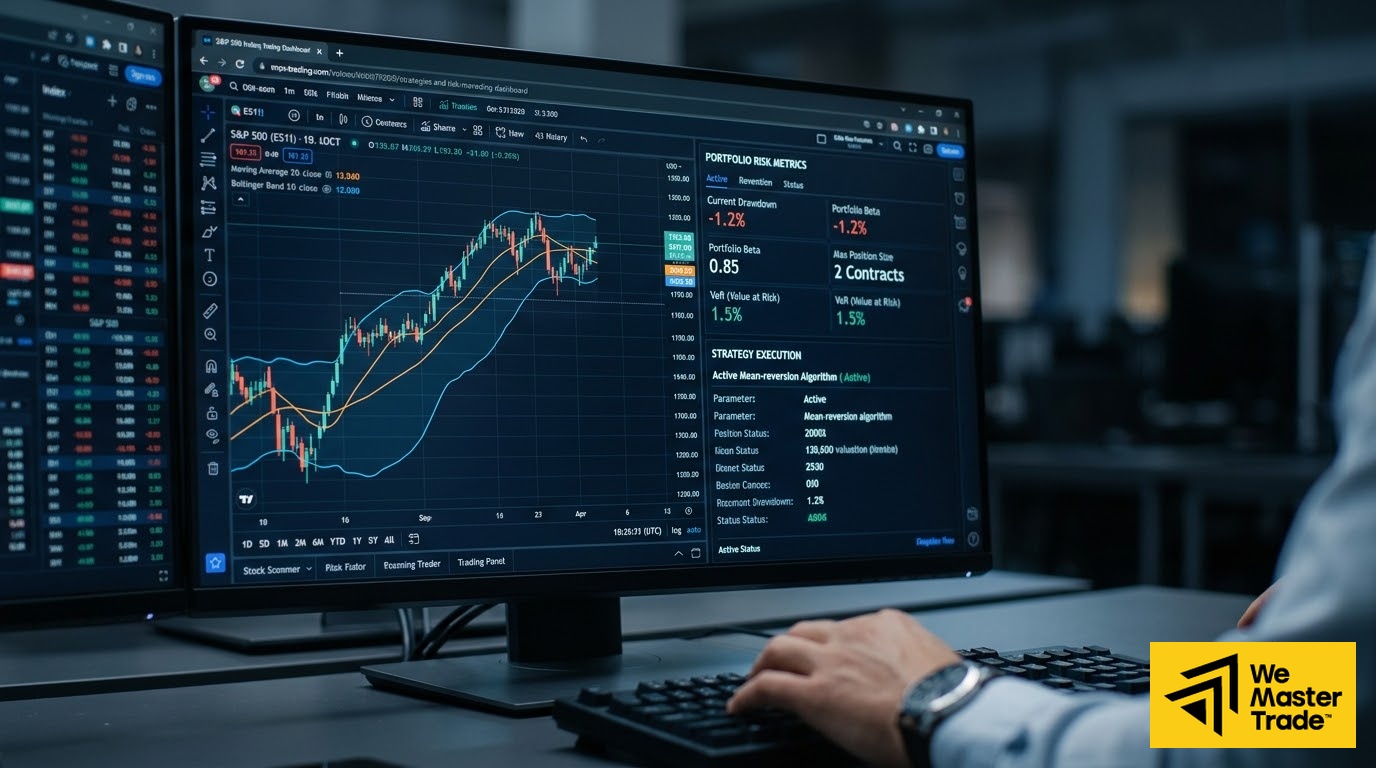
Developing Your Index Trading Strategy: From Trend Following to Scalping
Developing a robust index trading strategy is fundamental to consistent profitability. Effective strategies typically blend technical analysis indices with fundamental analysis, adapting to current market conditions and a trader’s risk tolerance. Beginners should focus on understanding market trends and building a systematic approach before attempting more complex methods.
Key Index Trading Strategies
Trend Following: This strategy involves identifying and riding the direction of a prevailing market trend. Traders use indicators like moving averages, MACD, and ADX to confirm trends in indices like the Dow Jones trading index or the NASDAQ 100. The goal is to enter a trade early in a trend and exit when the trend shows signs of reversal. This approach is suitable for both swing trading indices (holding positions for days or weeks) and longer-term positions.
Range Trading: When an index is moving sideways, oscillating between clear support and resistance levels, range trading can be effective. Traders buy near support and sell near resistance, profiting from the predictable bounces within the defined range. This requires precise entry and exit points and active monitoring.
Breakout Trading: This strategy involves entering a trade when the price of an index breaks above a resistance level or below a support level, signaling the potential start of a new trend. Traders often look for increased volume accompanying the breakout to confirm its validity.
Scalping: Scalping is a very short-term strategy where traders aim to profit from small price changes, often holding positions for only seconds or minutes. This requires high liquidity, tight spreads, and quick decision-making, making it a popular choice for day trading indices. It’s crucial for traders to continuously refine their skills, and a comprehensive trading academy can provide invaluable resources for mastering these techniques.
Integrating Technical and Fundamental Analysis
Successful index market analysis often combines both technical and fundamental approaches. Technical analysis focuses on price charts and indicators to identify patterns, trends, and potential entry/exit points. Fundamental analysis, conversely, involves assessing economic data, corporate earnings, interest rates, and geopolitical news to understand the underlying value and future prospects of an index. For instance, analyzing inflation reports for the Eurozone or employment data for the U.S. can significantly impact German (DAX) or U.S. (S&P 500) indices, respectively. Understanding how to trade volatility indices also involves monitoring economic catalysts that can trigger sharp price movements.
Essential Risk Management for Trading Volatile Indices
Risk management is the cornerstone of sustainable profitability, especially when trading highly volatile stock indices. The inherent leverage in instruments like CFDs and futures can amplify both gains and losses, making disciplined risk control non-negotiable. Without a robust risk management index trading plan, even a series of winning trades can be wiped out by a single adverse market move.
Core Principles of Index Trading Risk Management
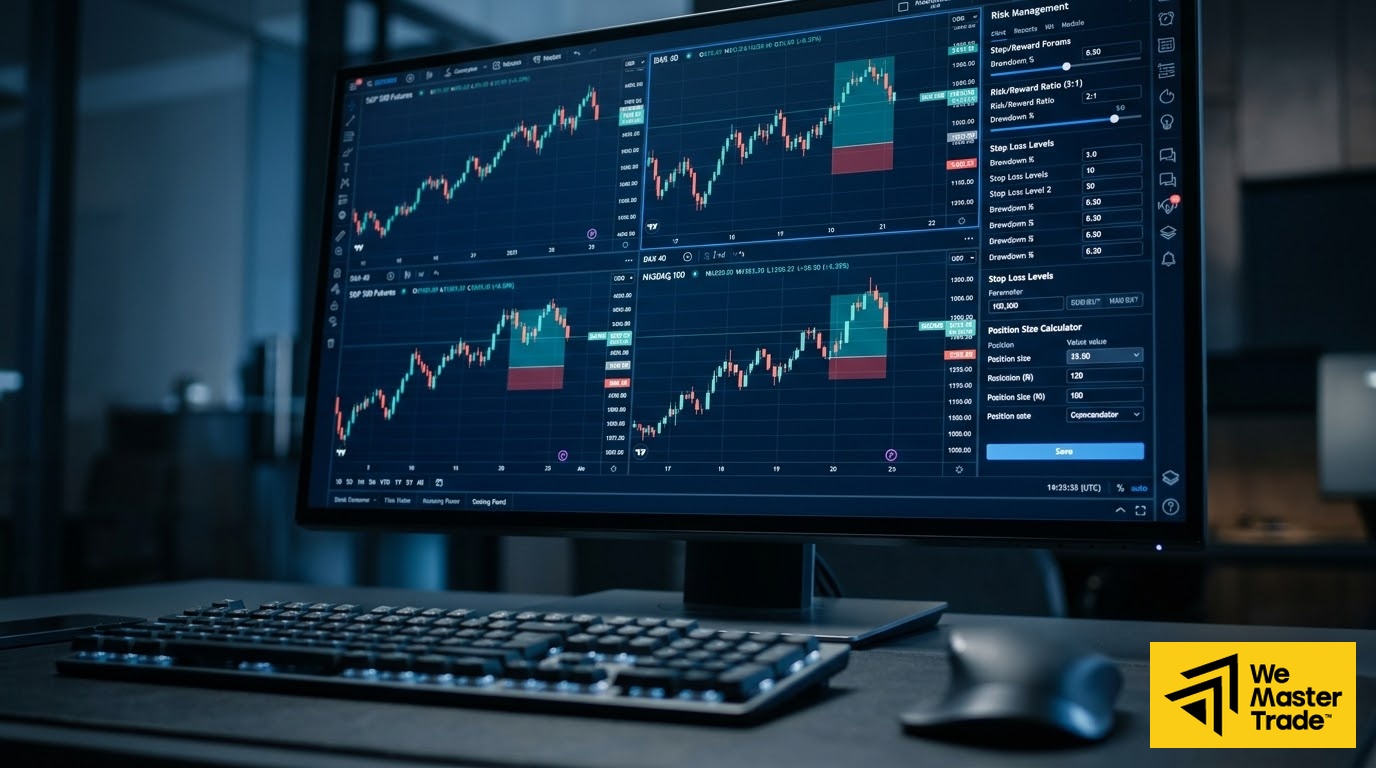
Position Sizing: This is perhaps the most critical aspect of risk management. It dictates how much capital you allocate to a single trade. A common rule is to risk no more than 1-2% of your total trading capital on any given trade. For example, if you have a $10,000 account, you would risk a maximum of $100-$200 per trade. This ensures that no single loss can significantly impair your trading capital. Market volatility trading requires adapting position sizes; during periods of high volatility, smaller positions might be prudent to maintain the same absolute dollar risk.
Stop-Loss Orders: A stop-loss order is an instruction to automatically close a trade if the market price moves against your position by a predetermined amount. It limits potential losses and is an indispensable tool for protecting capital. When trading indices, setting appropriate stop-loss levels based on technical analysis (e.g., below a support level or above a resistance level) is crucial. Trailing stop-losses can also be used to lock in profits as a trade moves favorably.
Take-Profit Orders: Similar to stop-loss orders, take-profit orders automatically close a trade when it reaches a predefined profit target. This helps traders lock in gains and prevents emotional decision-making from eroding profits. Defining clear entry and exit points, including both stop-loss and take-profit levels, is a hallmark of disciplined trading. Traders should also learn to avoid common trading mistakes such as over-leveraging or failing to use stop-losses.
Managing Leverage and Market Volatility
Leverage in index trading allows traders to control a larger position with a smaller amount of capital. While it can enhance returns, it also magnifies losses. It is essential to use leverage responsibly and understand its implications fully. Beginners should start with lower leverage ratios and gradually increase them only as their experience and confidence grow.
Understanding and adapting to market volatility is also crucial. Volatility indices, such as the VIX (often called the “fear index”), provide insights into expected market fluctuations. High volatility often means wider price swings, which can present more opportunities but also higher risks. During such periods, traders might adjust their position sizes, widen their stop-loss levels, or even reduce their trading frequency. A comprehensive understanding of these principles is vital for anyone aiming to make money trading indices sustainably.
Choosing the Right Broker and Platform for Index Trading
Selecting the right broker and trading platform is a critical step for anyone serious about how to trade indices effectively. The choice can significantly impact your trading experience, execution quality, access to markets, and overall costs. Many factors contribute to finding the best platform to trade indices and a reliable partner.
Key Considerations for Choosing an Index Broker
Regulatory Compliance: The most important factor is ensuring your broker is regulated by a reputable financial authority (e.g., FCA, CySEC, ASIC). Regulatory oversight provides a layer of protection for your funds and ensures the broker adheres to strict operational standards. Avoid unregulated brokers, regardless of their promotional offers.
Available Indices: Check which indices the broker offers. If you plan to trade indices like S&P 500, Dow Jones, NASDAQ 100, or specific European/Asian indices, ensure they are available. Some brokers offer a broader range of global indices trading options than others, including how to trade volatility indices.
Trading Platforms: The trading platform is your interface with the market. Look for a platform that is user-friendly, stable, and offers advanced charting tools, technical indicators, and fast execution speeds. Many traders prefer to learn how to trade indices on MT4 (MetaTrader 4) or MT5 (MetaTrader 5) due to their popularity, extensive features, and customization options. Other brokers offer proprietary platforms that may be equally robust. Test demo accounts to find the best fit for your trading style.
Fees and Spreads: Compare the spreads, commissions, overnight financing costs (for CFDs), and any other fees charged by different brokers. Lower trading costs can significantly impact your overall profitability, especially for frequent traders.
Leverage Options: Understand the leverage offered and ensure it aligns with your risk management strategy. Different regulators impose varying leverage limits, so this will depend on your jurisdiction and the broker’s licensing.
Customer Support and Educational Resources: Responsive and knowledgeable customer support is vital. Access to educational materials, webinars, and market analysis can also be beneficial, particularly for trading indices for beginners. Ultimately, choosing a leading prop trading firm that aligns with your trading goals and provides comprehensive support is paramount.
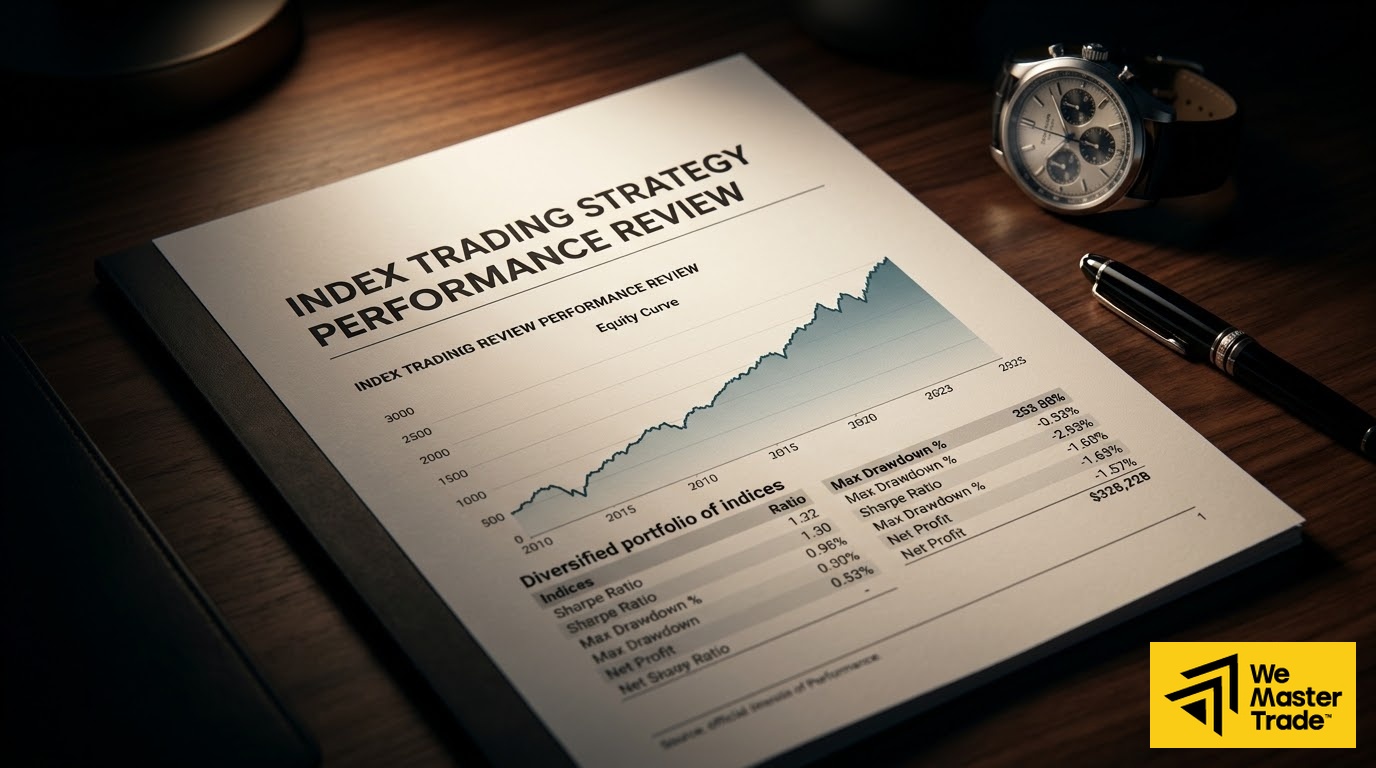
Advanced Tips for Profitable Index Trading
Beyond the foundational knowledge, several advanced tips can significantly enhance your profitability and consistency when you trade indices. These encompass refining your analytical approach, understanding market nuances, and leveraging technological tools.
Refining Your Market Analysis
Intermarket Analysis: Profitable index trading often involves looking beyond just the index itself. Understanding the relationships between different asset classes — such as stocks, bonds, commodities, and currencies — can provide leading indicators for index movements. For example, a weakening currency might signal a boost for export-heavy indices, or rising bond yields could indicate a shift away from equities. This holistic view enhances your index market analysis.
Seasonal Patterns and Cycles: While not always reliable, certain indices can exhibit seasonal tendencies or cyclical patterns that traders can exploit. For instance, the “January Effect” or year-end rallies are sometimes observed. Incorporating these into your analysis, alongside robust technical analysis indices, can offer an edge. Always backtest any perceived seasonal bias thoroughly.
News Trading and Event Risk: Major economic announcements (e.g., interest rate decisions, CPI reports, GDP figures) and geopolitical events can cause significant and rapid movements in indices. Learning to anticipate and react to these events, or conversely, to step aside during periods of extreme uncertainty, is a critical skill for how to trade indices effectively. This is particularly relevant for how to trade volatility indices, as these events are often triggers for spikes in market fear.
Optimizing Execution and Strategy
Algorithmic Trading: For experienced traders, exploring algorithmic trading can automate strategies, allowing for faster execution and removal of emotional biases. This involves programming trading rules into software that can execute trades automatically based on predefined conditions. This can be particularly useful for scalping or high-frequency day trading indices.
Correlation Trading: Some indices exhibit strong positive or negative correlations. For example, the S&P 500 and the NASDAQ 100 often move in tandem, but sometimes one leads the other. Identifying these correlations can help in confirming trends or spotting divergences that might signal an impending reversal.
Diversification Across Indices: While trading a single index offers diversification over individual stocks, traders can further diversify by trading multiple, non-correlated global indices. This could involve combining a major US index with a European or Asian index, spreading risk across different economies and market drivers. Always remember that the best indices to trade are those you understand thoroughly and that fit your strategic approach.
Frequently Asked Questions About Trading Indices
Q: What are stock market indices and how do they differ from individual stocks?
A: Stock market indices represent a basket of stocks, reflecting the performance of a specific market segment or economy, unlike individual stocks which track a single company. Indices offer broader market exposure and diversification, reducing the impact of single-company risk.
Q: What are the primary methods or instruments used to trade indices?
A: Indices are primarily traded via Contracts for Difference (CFDs), Futures contracts, Options, or Exchange Traded Funds (ETFs, for investment), each offering different risk and leverage profiles. CFDs and Futures are popular for active trading, while ETFs are generally for longer-term investment.
Q: What essential strategies should beginners consider when learning to trade indices?
A: Beginners should focus on understanding market trends, using technical analysis, implementing strict risk management, and starting with well-known major indices. Trend following and range trading are often good starting points, coupled with consistent learning.
Q: How important is risk management when trading highly volatile stock indices?
A: Risk management is crucial for index trading due to market volatility, involving setting stop-loss orders, managing position sizes, and avoiding over-leveraging to protect capital. It ensures the longevity of your trading career by preserving capital through inevitable drawdowns.
Q: What are the key factors to consider when choosing a broker for index trading?
A: When selecting an index broker, evaluate factors like regulatory compliance, available indices, trading platforms (e.g., how to trade indices on MT4), fees, leverage options, and customer support. A reliable broker is foundational to a successful trading journey.
The WeMasterTrade Advantage: Instant Capital for Index Trading
Many skilled traders face a common dilemma: they possess the expertise to navigate complex markets and generate consistent returns, but lack the substantial capital required to truly scale their operations. Traditional funding avenues often involve lengthy evaluations, restrictive rules, and significant upfront costs, creating barriers to entry for even the most proficient individuals. This is particularly true in the capital-intensive world of index trading.
WeMasterTrade addresses this challenge head-on with an innovative angel funding model, providing instant funded trading accounts without evaluation periods. Our core differentiator lies in a dedicated Risk Management team that actively copies high-probability trades at up to a 1:4 ratio alongside the trader’s positions. This unique synergy means WeMasterTrade’s profitability directly depends on trader success, fostering a truly collaborative environment where skilled traders gain immediate capital access for trading.
This model is designed for individuals who have already honed their skills in market analysis and risk management but need significant capital to maximize their potential in index markets. By partnering with WeMasterTrade, traders can apply their proven strategies to larger positions, benefiting from a profit split of up to 90% in their favor, while leveraging our institutional backing. This allows them to focus purely on execution, unburdened by the usual capital constraints.
If you are a disciplined trader with a proven track record, seeking to leverage substantial capital instantly without the typical hurdles of prop firm evaluations, exploring WeMasterTrade’s offering could be your next strategic move. Our robust infrastructure and commitment to trader success aim to empower you to excel in the competitive arena of index trading.