













Do you want your business to be stable in the face of market fluctuations? Knowing how to identify and manage Financial Risk Assessment is the key to achieving that. Don’t miss the opportunity to own the secrets to limit risks in the worst market developments, follow me, I will quickly share these interesting things in the following article
Financial Risk Assessment
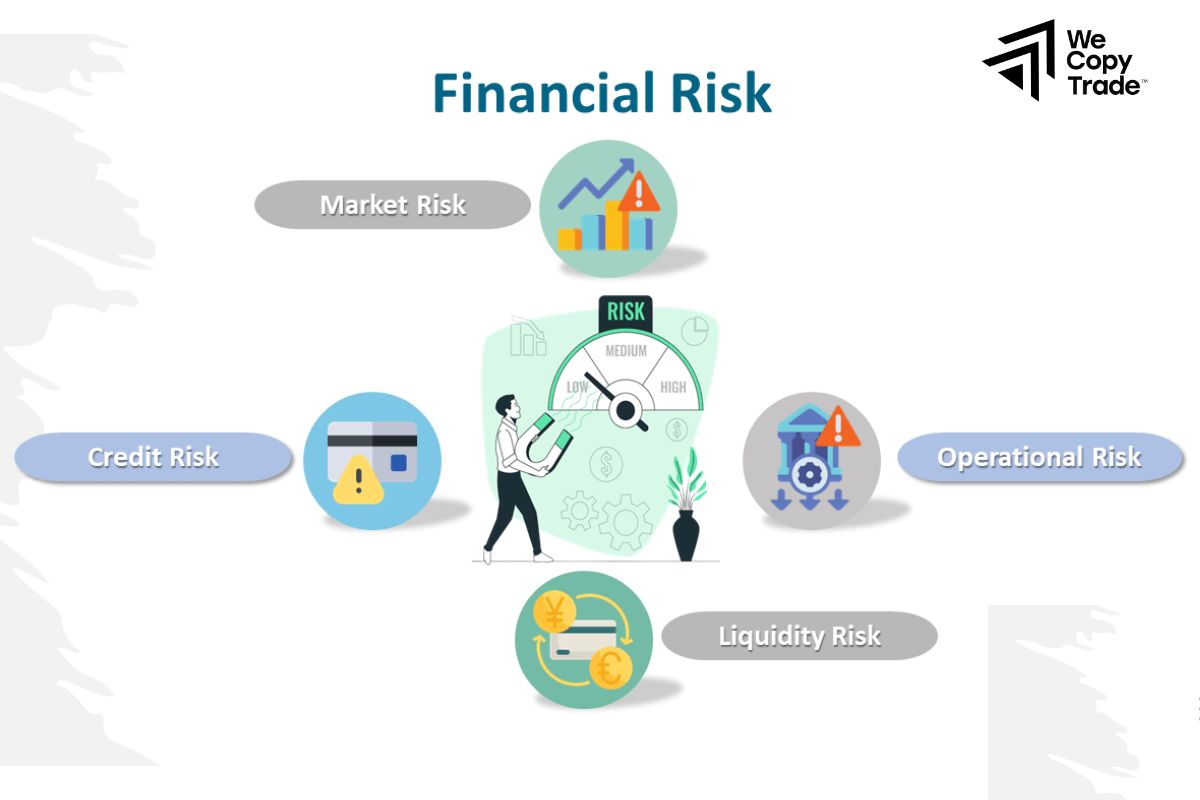
In business investment, Financial Risk Assessment are understood as potential possibilities that can cause damage to assets and properties, and this is inevitable when deciding to invest. From small fluctuations in the market to major economic crises, all can affect your wallet.
Common financial risks include borrowers not paying back money, not having enough cash or unexpected price fluctuations. Not only businesses, but also governments can face financial risks, such as not being able to pay public debt. To assess the risk level of an investment, investors often use specialized tools and indicators.
See now:
- Tips Simplify Your Financial Risks Management Process
- What is interest rate risk? How to manage interest rates
- Some Steps to Successful Liquidity Risk Management 2024
Importance of Identification, Assessment and Management financial risk
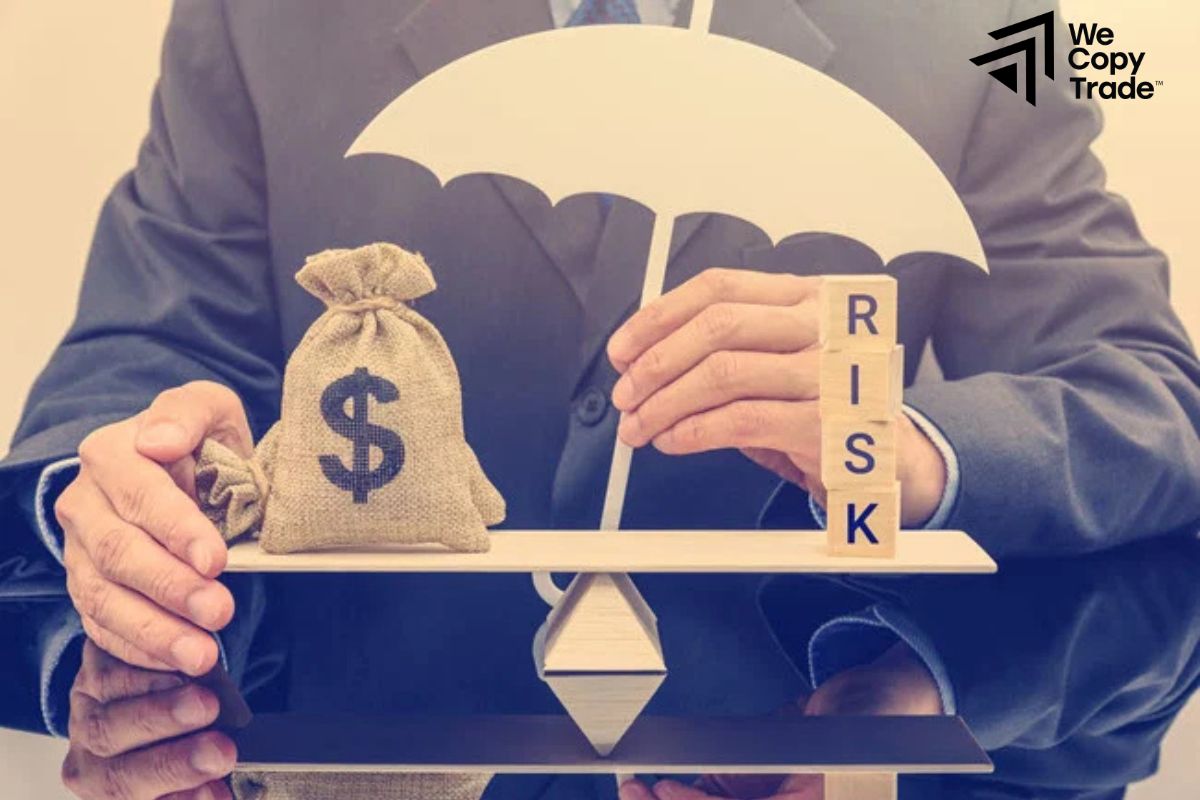
Financial Risk Assessment is like an umbrella that protects businesses from sudden rains. It helps us:
- Avoid losing money by predicting and preventing possible risks, we will minimize financial losses and also have more time to focus on profitable opportunities.
- Maintain stability in the face of changes in the business environment and ensure long-term survival.
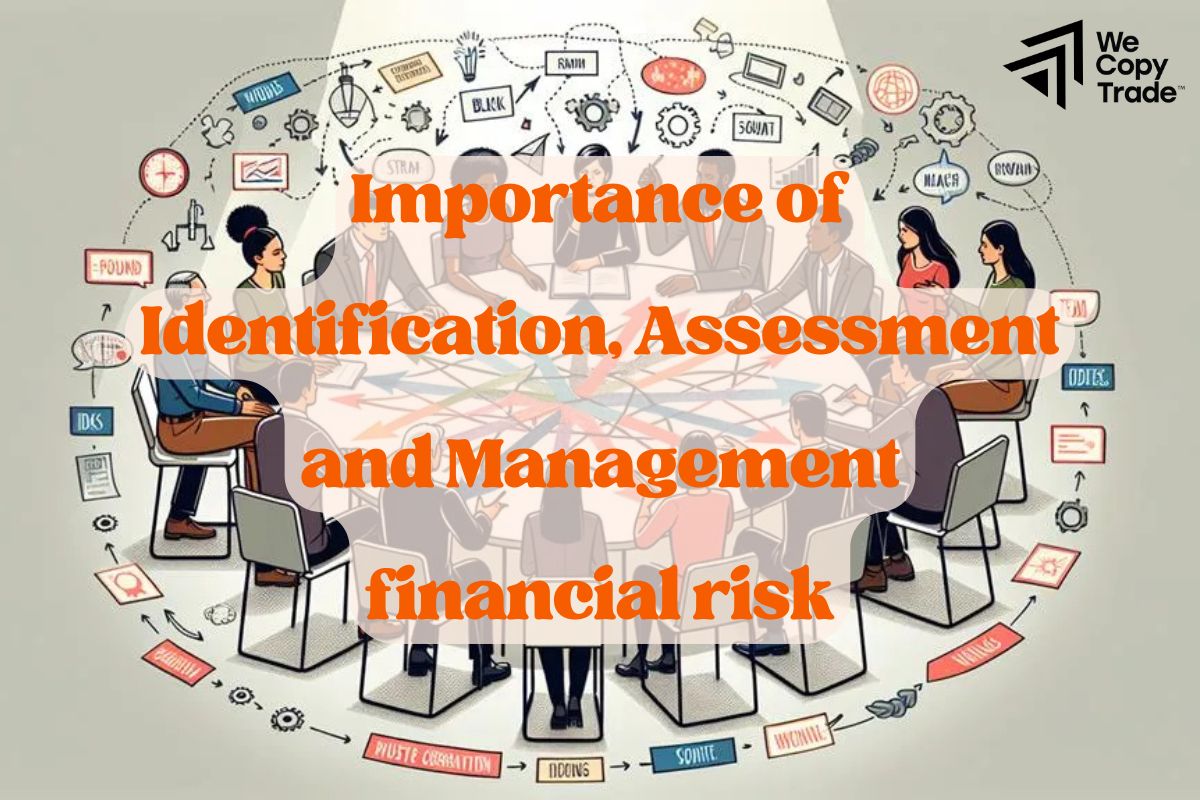
- Make wise decisions thanks to the ability to predict risks, avoid hasty decisions that cause unfortunate consequences.
- Enhance reputation thanks to the ability to manage risks, maintain a good image. This will be more trusted by customers and partners.
Types of Financial Risk Assessment
Financial Risk Assessment are the “traps” that businesses may encounter on the business path. We can divide them into 4 types, such as:
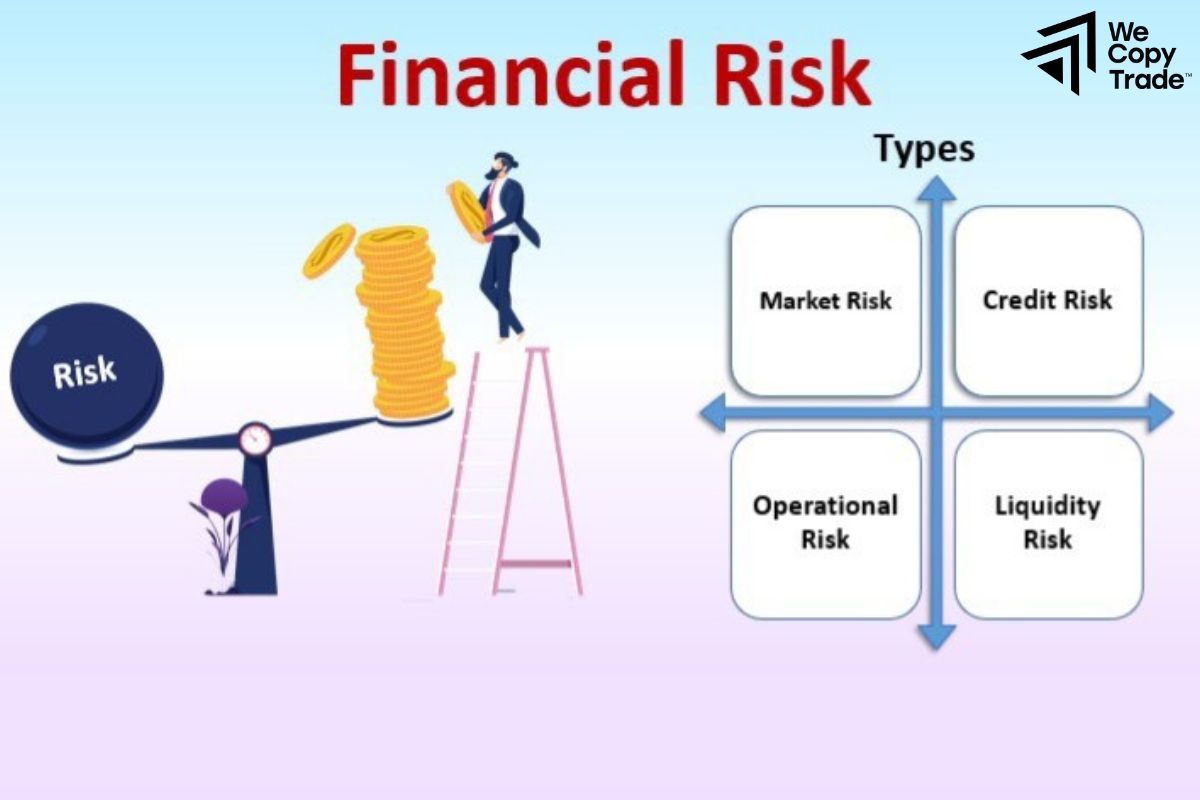
- Market risk: appears when the prices of products and services change, as well as the erratic fluctuations of stock prices.
- Credit risk: occurs when borrowers do not repay on time.
- Liquidity risk: is the risk that occurs when, despite having many assets, they still cannot be sold for cash, causing financial difficulties for the company
- Operational risk: mistakes in the work process, poor management or technical problems can all cause operational risks.
In addition, If your company violates the law or causes damage to others, you may be sued and face huge legal fees ( legal risk)
Each type of risk has its own characteristics and different levels of severity. Understanding these types of risks will help businesses take effective preventive measures
Financial Risk Identification, Assessment and Management
To deal with potential risks, businesses often take the following steps:
Find out the potential financial risks
To protect your money and business, you first need to know clearly what risks are lurking. Once you know these risks, you can proactively find ways to prevent and minimize damage, by taking the following steps:
- Review the company’s accounting books: Take a close look at what the company’s main sources of income are and what customers owe the company. This will help you better understand the company’s current financial situation.
For example: Consider how the company’s money has been flowing in and out over time. Have sales grown steadily? What caused sales to increase or decrease?
- Try to calculate the impact of rising interest rates. If there are a few large customers who account for the majority of the company’s revenue, pay special attention to them. If these customers do not pay, the company will be in trouble.
- Learn more about credit insurance to protect your business. If your company sells to many different countries, learn about the risks that may occur in each country. For example, fluctuations in exchange rates, government policies, etc. can affect your sales.
- Assess the level of danger of each “iceberg”: After finding the “icebergs”, we will classify them into groups to make them easier to manage. We can assess risks both intuitively and numerically. For example, if there is a 10% chance of a loss of $500,000, then the expected loss from the risk event is 10% x $500,000 = $50,000. The larger and closer the “iceberg” is to the ship, the more likely it is that it needs to be dealt with first.
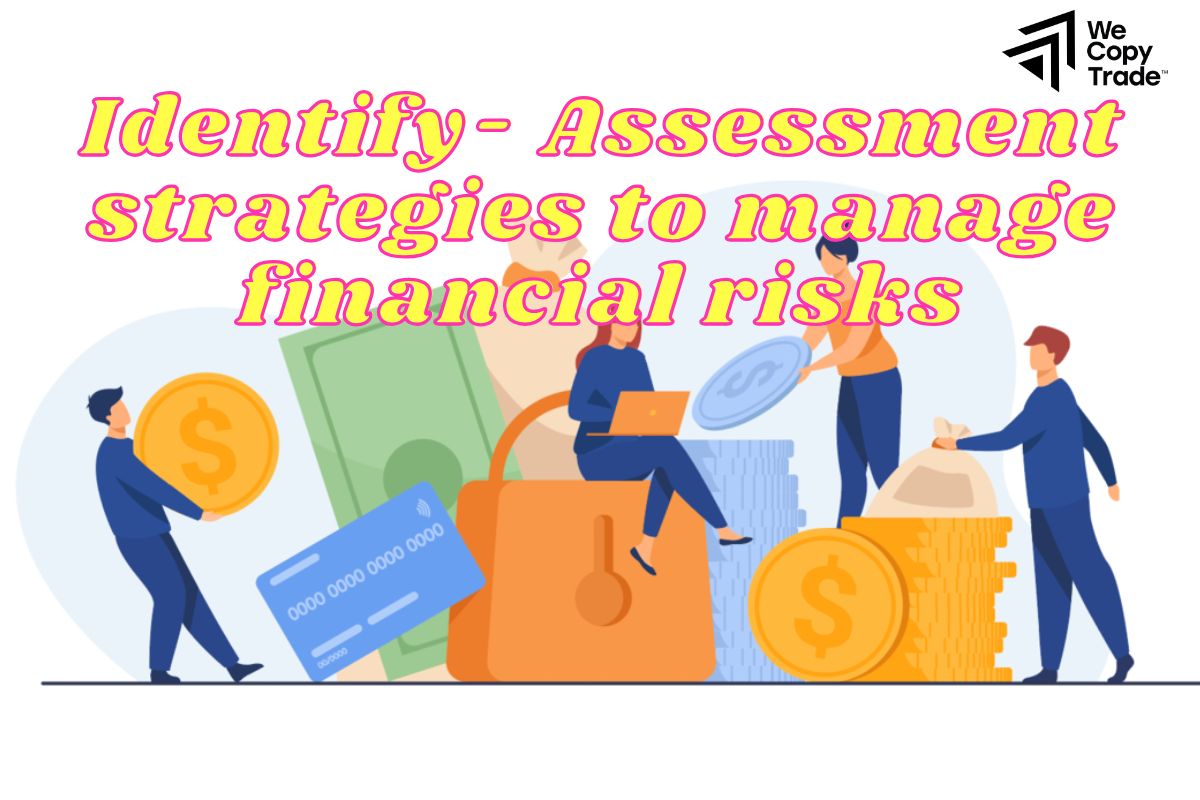
Identify- Assessment strategies to manage financial risks
Depending on the severity of each risk, we can choose one of the following ways to deal with it:
- Avoidance of the risk is the safest way, like staying away from a potholed road.
- Minimize the possible damage, like wearing a seat belt when driving.
- Transfer the burden of risk to someone else, like buying insurance.
- Accept the risk and face the consequences yourself, like an entrepreneur who is willing to face failure in order to achieve success.
- Before making a decision, we need to carefully consider the severity of the risk, whether the risk is worth taking, and what others have done in similar situations. We need to regularly monitor the situation to detect new risks and reassess old risks. A simple way to monitor risks is to use a chart.
Monitor the effectiveness of the strategy in risk management
Risks are always changing, so we need to check back regularly to make sure everything is okay. We need to closely monitor whether the measures we have taken are helping to reduce the risk or not. For better monitoring, we can use a table to record information about risks. The table will help us understand the risk situation better and make better decisions. With the help of technology, we can analyze risk data quickly and accurately.
Tool to Control Financial Risk
To accurately measure Financial Risk Assessment, investors and businesses often use statistical tools such as:
- Regression analysis: Like understanding cause and effect, this method helps us better understand the relationship between different factors, thereby predicting potential risks.
- Value at risk (VaR): This is a number that indicates the largest loss we can encounter in a certain period of time with a certain probability. In other words, VaR helps us answer the question: “In the worst case scenario, how much money can we lose?”
- Scenario analysis: Assuming a bad situation occurs, for example, a sudden increase in interest rates, we will use this method to estimate the impact of that event on the business. Thanks to that, we can prepare response plans.
Conclusion
In conclusion, Financial Risk Assessment is one of the most effective risk controlling methods and has the greatest impact on business operations. Therefore, when you start deciding to invest in business, you should plan carefully and apply the tips that I have just shared above to have a successful business strategy!
See more: