





Making the most informed choices depends on understanding the informative context. In trading, volume analysis provides valuable supplemental insight beyond price alone. By learning to spot clues from the numbers of shares or contracts being exchanged, trading volume analysis equips traders with a sharper perspective. This simple guide will explain what volume analysis is, why it matters, and how you may utilize it to make better trading decisions.
What is Trading Volume Analysis?
In trading, “volume” indicates the count of contracts, shares, or units swapped over a set period. For instance, if 100,000 shares of a stock are purchased and sold in one day, that is the daily trading volume.
Volume analysis focuses on inspecting those numbers to glean what they suggest about market activity. It helps traders weigh how powerful a price movement is. A lot of traders trading a stock indicates high interest and engagement. Light trading from few traders implies the movement could be unreliable.
Simply put, trading volume analysis quantifies the drive behind price alterations. It offers a way to decide if a trend is enduring or just a brief oddity. The more activity, the stronger the trend potentially is. Low activity raises doubts over a trend’s durability.
What Does a Change in Volume Indicate?
Here are the main things a change in volume can signify:
- Trend confirmation: Rising volume often means an uptrend is gaining strength as more investors buy with optimism. Falling volume during a rise can warn of reversals due to less interest.
- Bullish signs: When prices dip but volume increases, then prices rise on lower volume, it suggests the market is bullish.
- Price reversals: Significant volume during a long period of steady price movement hints a reversal may arrive.
- Volume and breakouts: High volume confirms a break from a trend likely persists, while low volume implies a false breakout.
- Liquidity: Greater volume shows many buyers and sellers, creating good liquidity; low volume dries up liquidity.
Tracking changes in activity levels supplies clues about market sentiment, trend sustainability, and potential reversals according to volume analysis techniques.
How Trading Volume Analysis Works
Now, let us break down how trading volume analysis applies to different trading scenarios:
Rising Price with High Volume
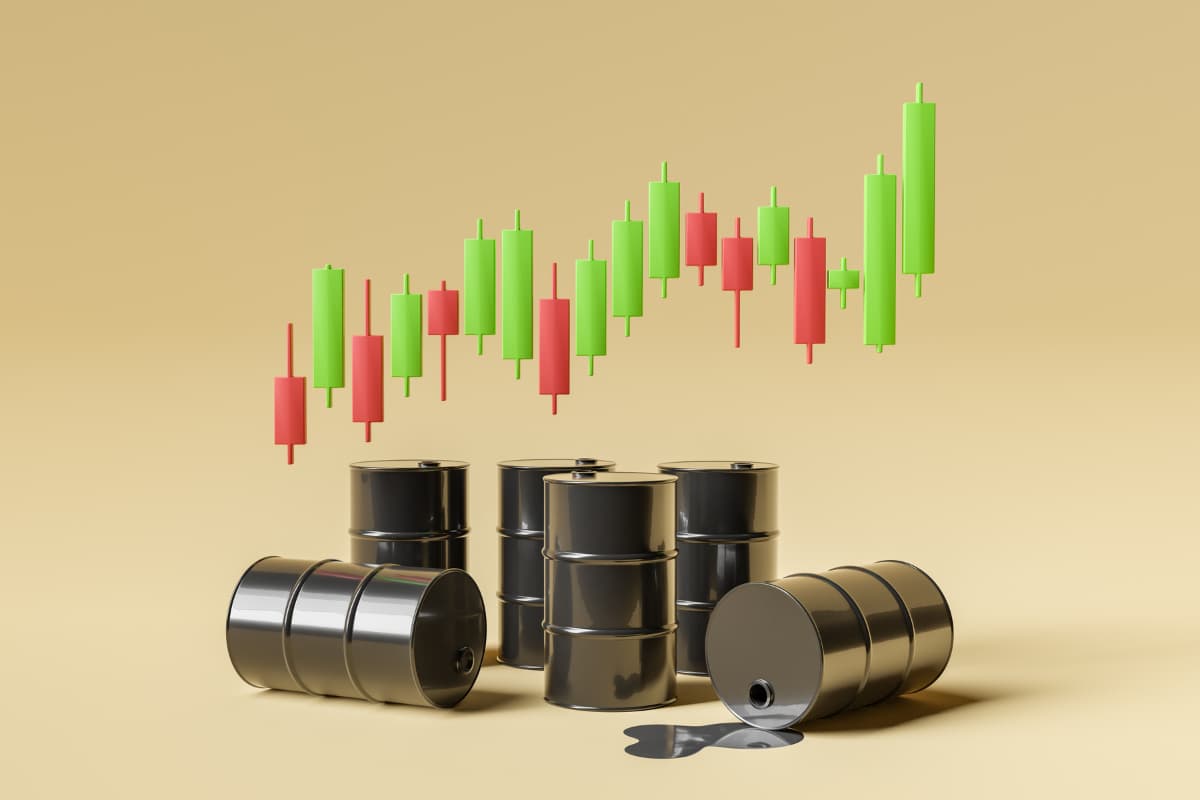
When a stock’s value climes alongside swelling activity levels, it is a positive sign. Greater numbers of investors buying implies there is real strength behind the price shift, so the pattern may endure as further traders follow.
For example, excellent profits from a tech firm driving both rate and exchange higher propose conviction in its future from numerous participants. Tracking changing volumes grants an understanding of how authentic underneath moves are.
Rising Price with Low Volume
If a price increase happens with low volume, it could mean that the movement lacks support. Maybe only a few traders are buying, which increases the risk that the price might drop again soon.
Example: A stock rises during a holiday period when trading activity is usually low. Since not many people are involved, the price increase might not last.
Falling Price with High Volume
If a stock’s value sinks with high volume, it signals that many traders are selling. This could indicate that the trend will continue downward.
Example: Negative news, like a product recall, causes heavy selling. The high volume suggests that traders are losing confidence in the stock.
Falling Price with Low Volume
A price decline with low volume might not be as serious. It could be the result of temporary selling by a few traders, and the price might recover soon.
Example: A stock’s price slips slightly during a quiet day without any major news. Since the drop happened with low volume, it’s likely just a minor correction.
Utilizing Trading Volume Analysis for Smarter Decisions
Now that you know what trading volume analysis reveals, let us look at several ways to utilize it effectively in your trading.
Confirm Trends
Trading volume enables traders to confirm whether a trend is likely to continue. If a stock normally rises and trading volume remains lively, it shows faith in further gains. But if volume starts to fade, the trend could lose momentum.
Smart Tip: Wait for high volume to confirm a trend before jumping in.

Spot Potential Reversals
Sometimes a spike in activity signals a downward pattern that could be reversing soon. If a stock has been dropping steadily yet suddenly sees heightened trading, it implies buyers may push costs higher once more.
Smart Tip: Pay attention to fluctuations to catch potential recovery points in downtrends.
Identify Breakouts and Fakeouts
A breakout occurs when a stock climbs over a crucial price level, similar to breaking out of a range. If this move occurs with substantial volume, it indicates that the breakout is real. However, if volume is poor, the breakthrough may only be temporary, and the price may return to the range.
Smart Tip: Only believe breakouts supported by obvious growing amounts to avoid potential traps.
Track Market Sentiment
Volume analysis helps you understand how other traders are feeling. High volume with rising prices reflects optimism, while high volume with falling prices shows fear. Knowing this helps you align your decisions with the market sentiment.
Tools for Trading Volume Analysis
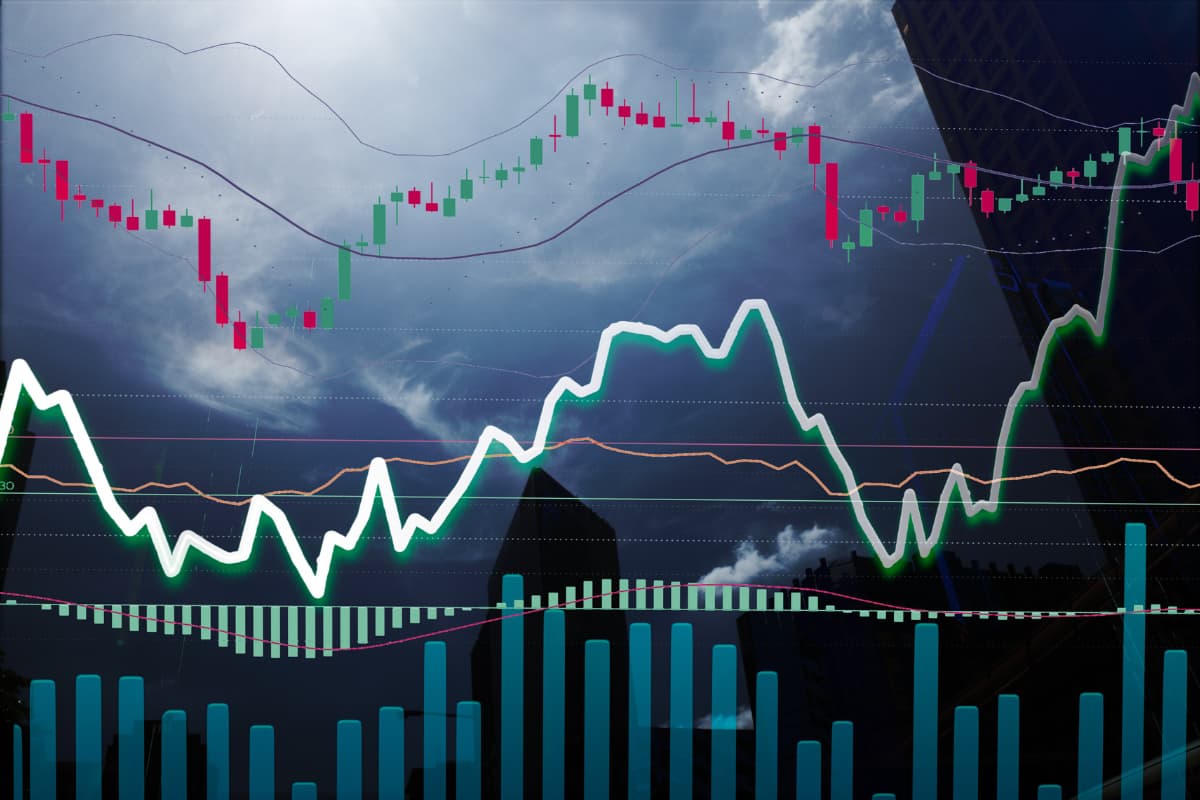
You do not have to calculate everything manually. There are plenty of trading tools and indicators to make trading volume analysis easier. Popular ones include:
- Volume Bars: These charts display how much was traded in each period, with taller bars signifying higher volume.
- Volume Moving Average: This smoothens daily fluctuations by averaging volume over a set number of days.
- On-Balance Volume (OBV): This sign tracks volume and shows whether more was traded as prices rose or fell over time.
- VWAP (Volume Weighted Average Price): VWAP identifies the average price where most transactions take place, revealing buyer and seller concentration areas.
Studying volume habits can offer profitable insights. Using basic tools like these volume indicators avoids tedious manual calculations, making analysis more straightforward and enlightening for traders.
Mistakes to Avoid in Volume Analysis
While trading volume analysis is useful, there are a few pitfalls to watch out for:
- Relying on volume alone: Volume is just part of the picture. Consider price movements, news, and technical signals too when making trades.
- Ignoring the overall situation: Not all high trading means a solid pattern. Think about whether volume shows panic or confidence.
- Overreacting to single-day increases: A sudden spike does not guarantee a trend starting. Look for patterns over multiple weeks instead of one day.
Taking everything into account, along with prolonged volume habits, can help avoid wrong interpretations when studying this significant marker.
Conclusion
In summary, studying how much is traded offers valuable hints. Trading volume analysis shows if others feel bullish or fearful. It also helps see whether moves truly have backing or could fade. While not perfect, these techniques give clues worth noticing. By watching volume with price shifts, your judgments may gain a smarter edge over time. For additional tips, please visit https://wemastertrade.com/blog/.

