













Sentiment analysis is an effective tool for analyzing the Forex market. By looking at what traders are saying online, it can provide insights into market emotions. Some traders utilize sentiment analysis tools to assess whether comments are becoming too positive or negative on a currency. It could signify an upcoming trend change if most people seem overly optimistic or pessimistic. This post will show you the basics of sentiment analysis, allowing you to spot opportunities and make smarter Forex trading decisions.
What is Sentiment Analysis?
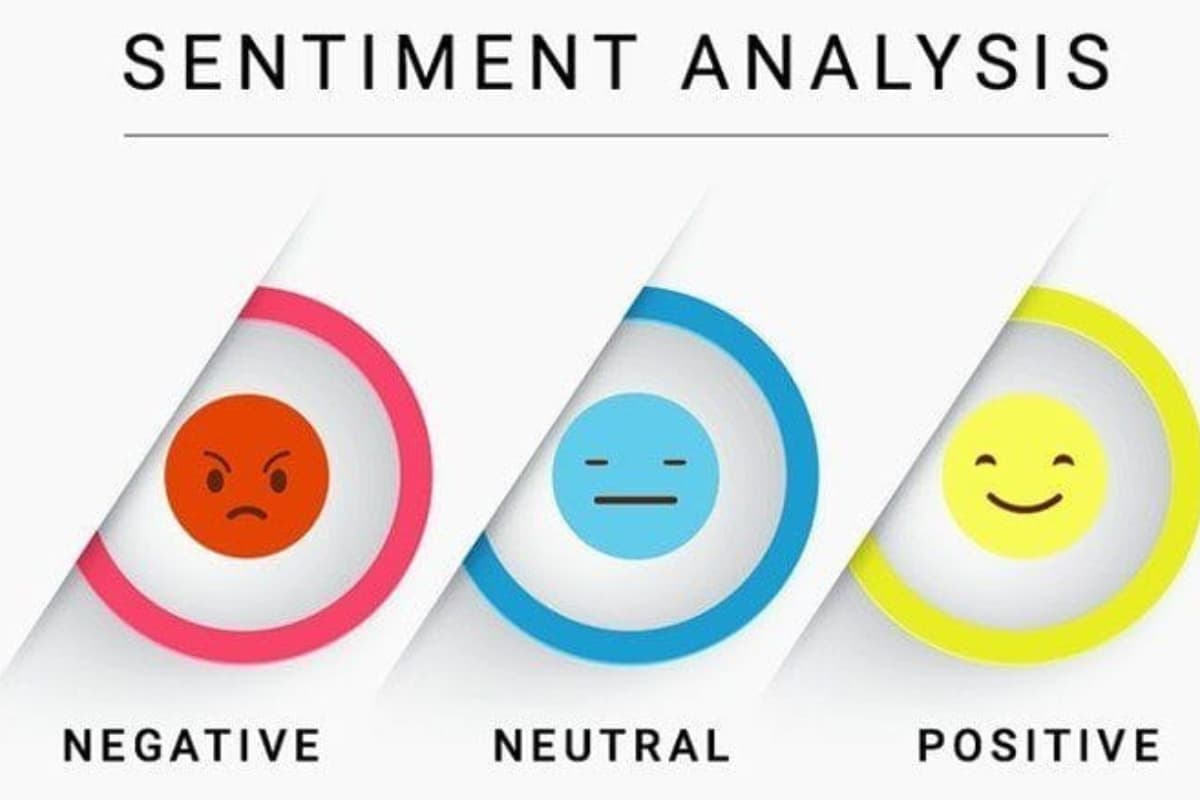
Sentiment analysis helps traders understand the overall feelings in the Forex market. It gauges whether traders are feeling optimistic (bullish) or pessimistic (bearish). Market sentiment can be influenced by different factors:
- Economic reports and news (employment data, inflation rates, etc.)
- Political events (elections, geopolitical tensions, etc.)
- Social media discussions and news headlines
- Reactions to central bank decisions
By watching these areas, traders can get a sense of which way the overall crowd might move and spot potential trading opportunities.
How Does Sentiment Affect Currency Movements?
Sentiment can really impact how currency values change. When more traders are feeling positive, it encourages buying that currency which pushes its price higher. And if traders tend to feel negative, it leads to selling pressure that decreases the price.
- Bullish sentiment happens with good news, like falling unemployment or helpful central bank actions. This positive mood leads traders to purchase more of that currency.
- Bearish sentiment occurs during uncertain economic or political times. This negative feeling causes traders to sell off the currency, dropping its value.
Traders following this “herd mentality” may boost trends in the market. Understanding how sentiment sways groups of traders in the same direction can help those wanting to profit from the overall swings.
Advantages and Limitations of Sentiment Analysis
Sentiment analysis has some useful benefits for traders but also has certain drawbacks to keep in mind. Let us dive into the pros and cons of sentiment analysis in the Forex market:
Advantages
- Early warning: It can act as an early warning, possibly spotting when a trend may start changing direction.
- Behavioral insights: Analyzing sentiment gives insights into how the overall crowd may behave.
Limitations
- Rapid shifts: Moods and feelings can move quickly so readings may shift suddenly.
- Not always accurate: While helpful, sentiment alone does not guarantee precise market moves. Also, not all discussions are captured so the overall view may not be complete.
Understanding both the pros and cons can help traders use sentiment analysis as a supplemental tool alongside other important aspects like technical analysis and fundamental research.
Tools for Measuring Sentiment in Forex
There are several different tools that Forex traders may utilize to help measure market sentiment. Prevalent options include:
- Commitment of Traders (COT) report
- Sentiment indicators
- News and social media
Commitment of Traders (COT) Report
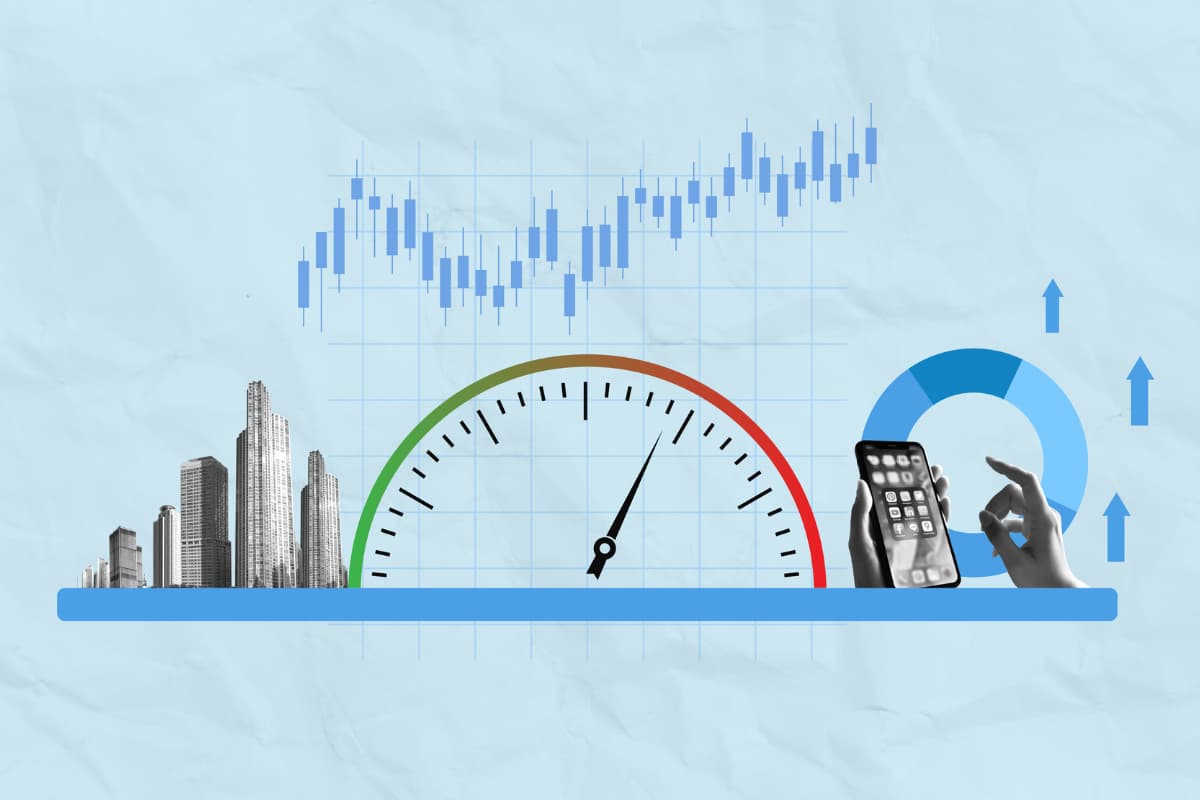
The Commitment of Traders (COT) Report is an important tool utilized by Forex traders. This weekly report from the U.S. Commodity Futures Trading Commission (CFTC) gives details from commercial banks on positions held by big speculators like hedge funds. The COT report shares if they are net long or short on different currencies. Traders may see if speculators are getting overly optimistic or pessimistic. This hints at potential trend changes in the future.
Sentiment Indicators
Sentiment indicators give traders another way to measure feelings in the Forex market. Some financial websites and brokers provide these indicators by analyzing various things like social media posts and news articles. The indicators assign numbers showing if sentiments seem bullish, bearish, or neutral. Watching the movement of indicators helps traders get a sense of changing moods that may impact currency prices ahead.
News and Social Media
Other tools look closely at what traders share online and in news stories. Special programs with Artificial Intelligence (AI) scan many social media posts, articles, and trader message boards. They check for positive or negative discussions about currencies. This real-time view of crowd emotions on social platforms and in headlines helps traders predict which directions the market might move in.
Incorporating Sentiment Analysis into Your Trading Strategy
It is a great idea to consider incorporating sentiment analysis as a part of your overall trading strategy. While sentiment should not be the sole driver of trades, being aware of shifting market moods can provide valuable context. Here is how you may integrate it:
Confirming trends
Traders might use sentiment analysis to have better confidence in their decisions. If chart patterns indicate that prices will continue to rise and mood is positive, this reinforces the decision to buy the currency. Aligning technical indications with an optimistic audience mood strengthens the signal of a sustained rising pattern. This extra verification helps traders decide which deals to make.

Contrarian trading
More experienced traders sometimes go against what the market seems to think. If analysis shows everyone holds very hopeful views on a currency, a contrarian may bet the other way and sell high. They believe prices often change direction after reaching one side’s extreme. Tracking when sentiments hit pause points of strong optimism or pessimism helps these traders find possible reversal spots and profitably trade against the crowd.
Risk management
Paying attention to sentiment helps traders make wiser choices. If feelings get too strong in one way, this warns to proceed cautiously and not place bets simply riding current high emotions. Knowing when the crowd gets carried away means traders can avoid entering positions just because others seem excited or worried. Handling risk with prudence serves them better than reacting solely to overheated market moods.
How to Combine Sentiment with Technical and Fundamental Analysis

Traders can thoughtfully include sentiment in their process by:
- Checking if sentiment, charts, and report readings align – greater confirmation when they agree.
- Paying close attention when the three diverge, as this may signal coming reversals or pauses.
- Considering how sentiment impacts demand expectations in fundamentals outlook.
- Chart support and resistance levels are adjusted to account for emotion shifts.
- Managing risk carefully when entering trades clashing with all three analyses.
- Developing an understanding of how sentiment usually relates to price behavior over the long run.
Best Practices for Analyzing Market Sentiment in the Forex Market
Traders can get the most out of sentiment analysis by following some best practices:
- Check indicators from multiple providers instead of relying on just one. This gives a broader picture of feelings.
- Pay attention when sentiment makes really big swings up or down, as these hint at trends possibly changing.
- Be cautious on trades if feelings get overwhelmingly positive or negative since some of the best times to trade against the crowd are then.
- Watch for sentiment changes before price shifts, as opinions leading moves can offer timely hints.
- New opinions do not replace prior analysis, so fit them together thoughtfully into plans.
- Checking different views in this balanced way helps give traders valuable insight into shifting crowd emotions in the Forex market.
Conclusion
To summarize, sentiment analysis offers useful context about market emotions to traders. By tracking how crowds feel, it reveals what most other investors currently think. While sentiment should not dictate trades alone, it can confirm or question analysis. Traders balancing sentiment with other research may make more informed choices.
Read more trading tips on our WeMasterTrade Blog.