













Entering the financial markets, especially through proprietary trading firms (prop firms), is a journey filled with both challenges and excitement. For many newcomers, first-time prop firm experience is not just about getting familiar with the platform — it’s also a test of psychology, discipline, and true risk tolerance.
In this article, we’ll explore the first-time prop firm experience in depth — from a practical and easy-to-understand perspective — and cover the aspects that truly matter to traders: which firm to choose, how to prepare, common mistakes, and key takeaways to avoid unnecessary losses in your first try.
What Is a Prop Firm?

What Is a Prop Firm?
A prop firm (short for Proprietary Trading Firm) is a company that provides capital for traders to trade in the financial markets. Traders don’t need to use their own money but instead go through an evaluation or challenge. If they meet the requirements, they are given a live trading account and can earn a share of the profits.
The biggest advantage of prop firms is that they allow new traders to avoid risking their own funds while still gaining access to large capital and a professional trading environment — even when their personal finances are limited.
See now:
- Some Prop Firm Trading Loopholes Traders Need to Know
- Discover Prop Firm Services – Interesting Facts to Remember
- Building The Path to Prop Firm Success for Traders
- What Does A Successful Prop Firm Trader Need To Equip With
Positive First-Time Prop Firm Experiences for Traders
Here are some of the positive experiences shared by traders — and also the main reasons why prop firms have become a top choice in the trading community:
Access to Real Capital After Passing the Challenge
One of the standout aspects of first-time prop firm experience is the opportunity to access trading capital ranging from $10,000 to $100,000 after completing a relatively simple test. This offers a significant chance to engage with the markets at a realistic scale — without putting your personal finances at risk.
Discipline and Psychology Are the First Lessons

Discipline and Psychology Are the First Lessons
Even though the challenge phase uses a demo account, the pressure to “hit the target” and “avoid violating drawdown limits” creates a completely different psychological experience. Your first-time prop firm experience will teach you that discipline and emotional control matter even more than your trading strategy.
Understanding Personal Limits Through the Challenge
Many traders once believed they were good at trading — until they faced the 10-day challenge and realized they were prone to overtrading, lacked discipline, or failed to manage risk properly. That’s why the first prop firm experience is often a true “wake-up call” regarding one’s real trading skills.
Exposure to Professional Technology and Tools
Prop firms usually provide access to platforms like MT4/MT5, trade management systems, transparent drawdown tracking, and tools such as real-time performance dashboards. This is a level of infrastructure that personal accounts typically don’t offer.
Factors traders should consider when choosing a prop firm for the first time

Factors traders should consider when choosing a prop firm for the first time
- Clear and Transparent Policies: Your first prop firm experience should begin with a firm that’s fully transparent — publicly listing challenge conditions, clear payout policies, and no rule changes mid-way. Avoid firms that attract users with cheap prices but offer vague or unreliable payouts.
- Support for Beginners and Vietnamese Traders: Prioritize firms that offer a Vietnamese interface, friendly customer support, and active communities on Telegram or Facebook. This helps you avoid feeling lost during your first prop firm experience, especially if you’re not yet familiar with international platforms.
- First-Time Promotions and Discounts: Some prop firms currently offer attractive promotions — a great opportunity to try out trading with lower costs and reduced financial risk.
First-time Prop Firm Experience: Common Mistakes to Avoid
It’s almost inevitable to make some regrettable mistakes during your first-time prop firm experience. So the simplest way to avoid them is to learn from others and remember the common pitfalls listed below:
Chasing Profits While Ignoring Risk
Most challenges come with drawdown limits. When traders focus too heavily on hitting profit targets in a short time, they often end up violating risk rules — even when their account is in profit.
No Strategy, Emotion-Based Trading

No Strategy, Emotion-Based Trading
Many traders “jump into” trading immediately after signing up, without a clear plan or even a trading journal. This leads to careless mistakes that can cost access to the account or cause disqualification early in the challenge.
Choosing the Wrong Firm Because of Flashy Advertising
Many traders have admitted to picking a prop firm based solely on Facebook or YouTube ads, without thoroughly checking its reputation, community reviews, or actual payout policies. Your first-time prop firm experience can quickly turn sour if you don’t do your due diligence.
Suggested Strategies for a Successful First-time Prop Firm Experience
Joining a prop firm is a major step forward — especially for traders looking to scale up their capital. To maximize your chances of passing the challenge on your first try, consider the strategies below:
Understand the Challenge Rules Before You Trade
Before placing any trades, carefully read the challenge conditions: daily loss limits, total drawdown limits, profit targets, minimum trading days, and any special terms. Violating even a minor rule can cost you your chance — even if your trades are profitable.
Prioritize Risk Management Over Profit Goals
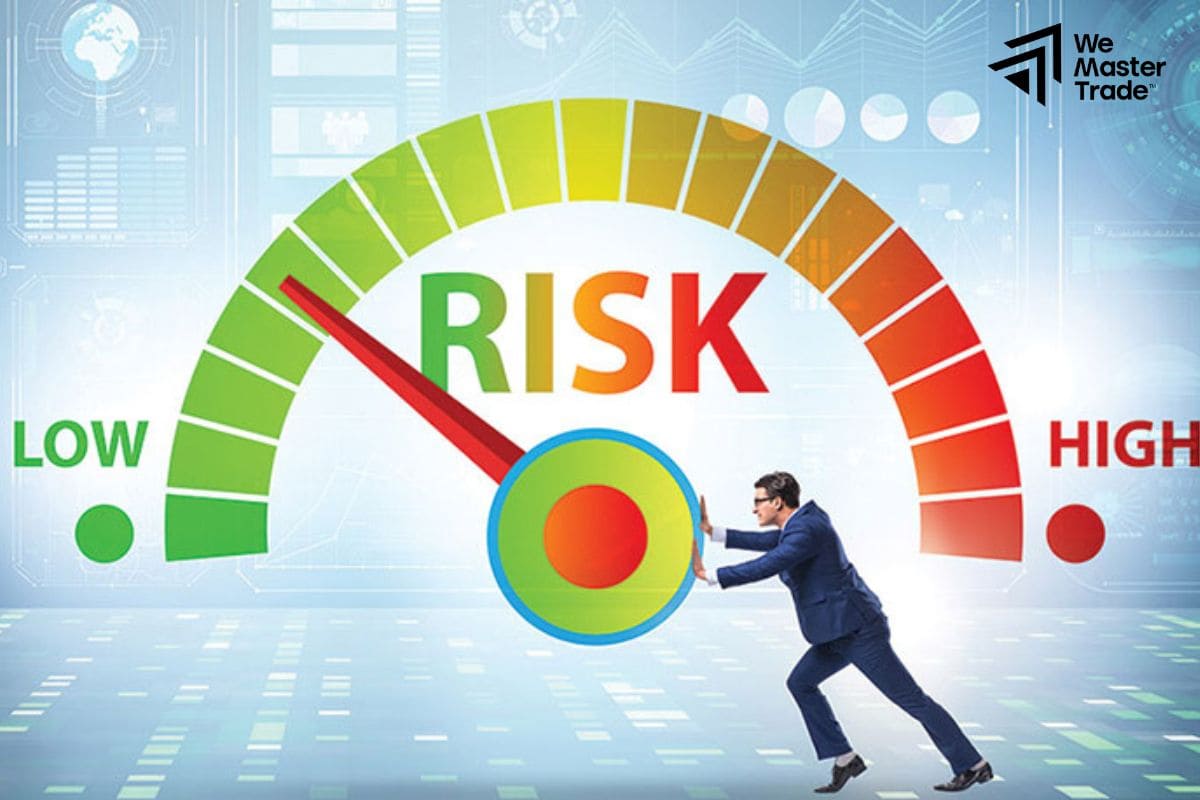
Prioritize Risk Management Over Profit Goals
Instead of rushing to hit the profit target, focus on keeping drawdown within safe limits. Effective risk management allows you to survive longer in the market, which builds the foundation for sustainable profitability.
Have a Clear Trading Plan and Keep Records
Before each session, define your strategy, entry/exit points, and acceptable risk. Keeping a trading journal helps track progress, identify mistakes, and improve your approach in a consistent and systematic way.
Trade in Familiar Markets
In the beginning, focus on currency pairs or instruments you already understand well. Familiarity with market behavior helps you react more confidently during volatile periods and reduces errors caused by inexperience.
See Failure as Part of the Process
Many traders don’t pass the challenge on their first try. What matters is what you learn from the experience and how you adapt for the next attempt. Think of it as a necessary “tuition fee” for building a solid, professional trading foundation.
Conclusion
In summary, if you’re a new trader, choosing the right prop firm and having a positive first-time prop firm experience can save you from six months of mistakes, wasted money, or even giving up due to lack of direction. Treat it as your first true test of professional trading mindset — and the foundation for a sustainable trading career.
See more:
- Key Benefits of Prop Firm Trading for Traders
- A 3-Step Guide to Prop Firm Success for Traders
- Prop Firms and Traditional Investment Funds – Which is better