











Overtrading is a common mistake of many investors, causing them to forget their original purpose, leading to significant risks or even losing all their capital. So what is the cause of this situation and how to overcome it? Let’s find out in the following article.
What is overtrading?
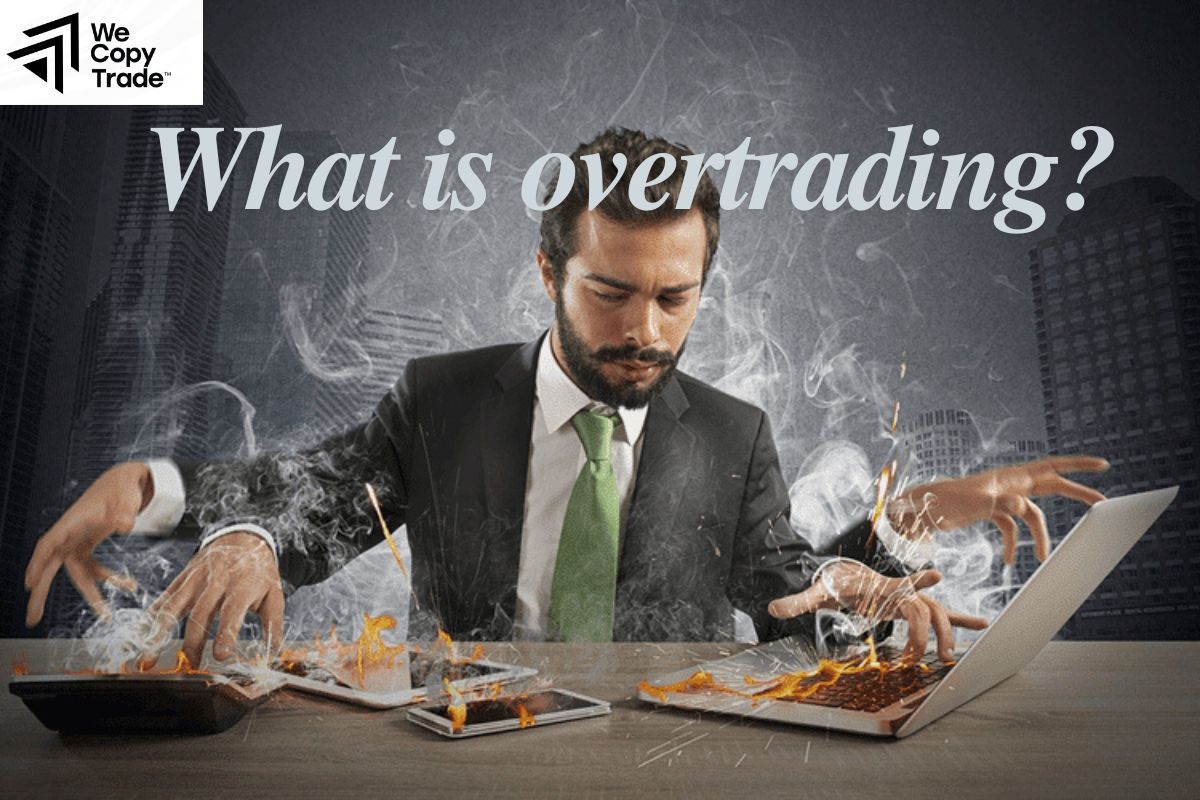
Overtrading is a condition where an investor makes too many trades in a given period of time, often driven by emotions such as fear of missing out (FOMO), greed or excessive anxiety. Instead of basing their decisions on careful analysis and a clear investment plan, Overtrading investors often make decisions impulsively and without control. As a result, they are prone to making mistakes and incurring significant losses, and in the worst case, they can lose all of their capital.
See now:
- Simple Steps To Improve Discipline and Patience in Trading
- What is a Trading Journal? Components of a Trading Today
- Contrarian Trading – 5 Valuable Lessons of Famous Contrarian
- Maximum Your Profit From Taking Advantages Market Sentiment
Cause of Overtrading
Overtrading is a common problem that many investors face. The main reasons come from:

- Lack of a detailed trading plan makes investors easily get carried away by emotions and make impulsive decisions.
- Fear when the market is down, greed when the market is up, or overconfidence in our abilities can all lead us to make bad decisions.
- The temptation to make quick profits makes many people trade too often, ignoring the fundamentals.
- With the development of technology, trading has become easier than ever. However, this also means that we are easily caught up in the market and have difficulty stopping.
Types of Overtrading Among Investors
Overtrading is the result of emotional investment decisions or incorrect information. Here are some common types of this:
- Impulsive trading: This type of trading is based entirely on emotions and intuition. Investors do not have a specific plan, simply buying or selling when they feel “right”. This type of trading is very risky because it lacks control and careful analysis.
- Indicator trading: Some investors put too much faith in technical indicators. They look for signals to confirm their decisions, regardless of whether the signals are really reliable or not. This leads to them being “blind” to other information and making wrong decisions.
- Random trading: Investors buy and sell a lot of stocks without a clear strategy. They hope that one of those trades will bring profit. However, the possibility of losing is very high.
Implications of Overtrading
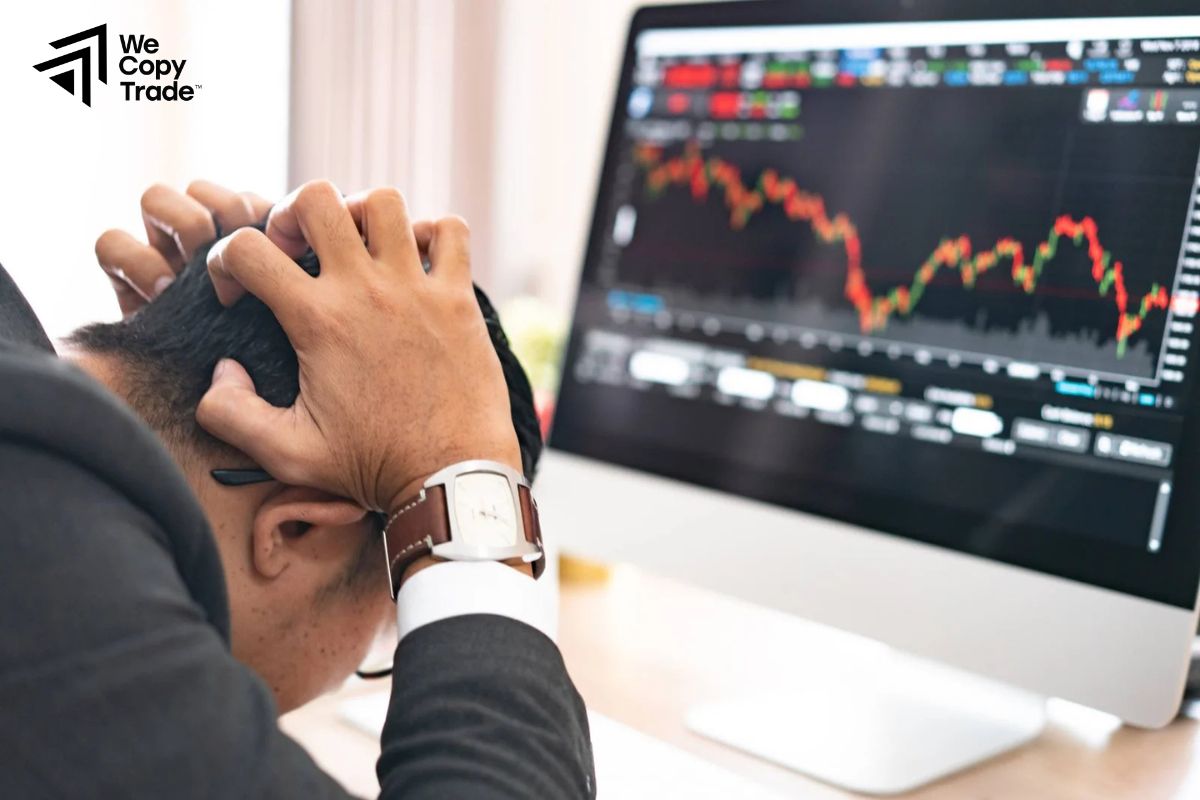
Overtrading is not just about making too many transactions, but also brings serious consequences to investors. Specifically, the unpredictable its consequences:
- Each time you trade, you have to pay a certain fee. When trading too often, the total transaction fee will significantly “erode” your profits.
- Fear of missing out or being too greedy can cause you to make irrational trading decisions, leading to losses.
- When you focus too much on short-term trading, you may miss out on high-profit investment opportunities in the long term, just like you only see small flowers on the side of the road but not see a large garden ahead.
- Continuously monitoring the market and making continuous decisions will cause you to lose sleep, feel stressed and have difficulty concentrating. This directly affects your judgment and can even affect your social relationships, like a chronic disease that you cannot cure.
Overtrading Vs Undertrading in Forex
Overtrading and undertrading are two common pitfalls that can significantly impact an investor’s portfolio performance. Both behaviors, driven by a mix of psychological factors and market dynamics, can lead to suboptimal investment outcomes.
Overtrading

Overtrading occurs when investors make excessively frequent trades, often motivated by a desire for quick profits or a fear of missing out (FOMO). This impulsive behavior can lead to a number of detrimental consequences:
- Each trade incurs costs, such as brokerage fees and taxes. Frequent trading amplifies these costs, eating into potential profits.
- Constant buying and selling can disrupt the compounding effect of long-term investments. Short-term trading strategies often focus on capturing small, fleeting price movements, while the real wealth is built over the long term through patience and disciplined investing.
- Overtrading can exacerbate emotional responses to market fluctuations. Fear and greed can cloud judgment, leading to impulsive decisions that often backfire.
- Frequent trading exposes investors to higher levels of risk, as it becomes more difficult to accurately time the market.
Undertrading

On the other hand, undertrading involves a lack of trading activity, often driven by fear or indecision. While caution is important, excessive caution can lead to missed opportunities:
- By avoiding trades, investors may miss out on significant market gains.
- As inflation erodes the value of money over time, holding cash can reduce its purchasing power.
- Undertrading can hinder the ability to diversify a portfolio, which is crucial for managing risk.
Striking the Right Balance
To achieve optimal investment results, it’s essential to strike a balance between Overtrading and undertrading. A disciplined investment approach involves:
- A clear investment strategy specifies objectives, acceptable risk levels, and how assets will be distributed.
- Before making any investment decision, conduct thorough research to understand the underlying fundamentals of the investment.
- Practice emotional discipline to avoid impulsive decisions driven by fear or greed.
- Conduct routine evaluations of your holdings to verify they still reflect your target returns and comfort with potential losses.
- Maintain a long-term perspective and avoid short-term market noise.
How To Minimize The Overtrading
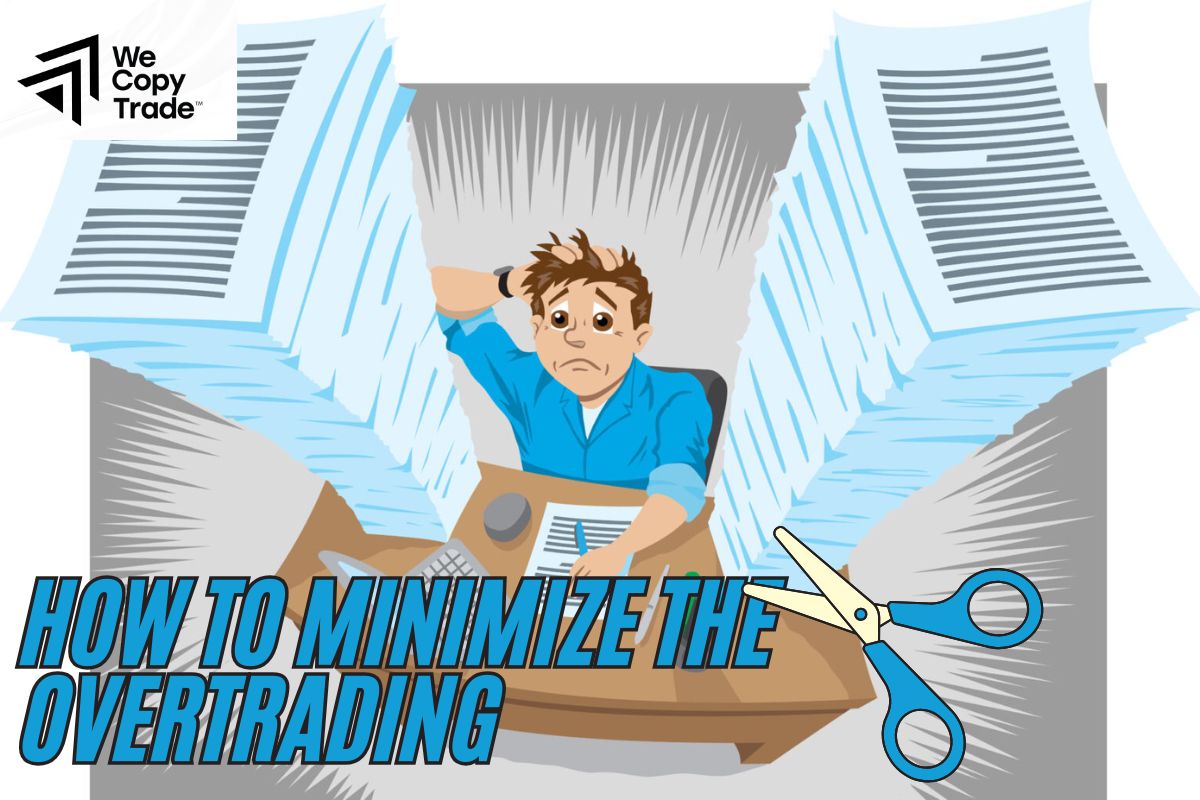
Overtrading can cause a lot of damage to your investment account. Here are some ways to limit this:
- Recognize yourself for signs that you are constantly opening too many trading positions? Do you feel like you need to trade all the time? If so, you may be overtrading. Keep track of your trading frequency to detect this early.
- Just like any other job, trading also needs reasonable breaks. When you feel too tired or stressed, take a break from trading to clear your mind and make better decisions.
- Set specific rules for yourself before making any trades. For example, you can decide to only buy a stock when its price breaks above a certain resistance level, or only sell when it falls below a key support level. This will help you avoid emotional decisions and stick to your plan.
- Always determine in advance the maximum risk you can accept for each trade.This strategy reduces the risk of significant financial loss if the trade is not profitable. Besides, placing a stop loss order is also very important to limit the damage.
Conclusion
In conclusion, overtrading is a bad habit caused by lack of knowledge and psychological factors that you should avoid because it can affect your investment performance. After understanding the causes and how to overcome them, I am sure you will achieve better trading results.
See more: