











The global Forex Market is a dynamic arena, characterized by continuous price adjustments across its vast array of Currency Pairs. These movements, often rapid and unpredictable, are a fundamental aspect of currency trading, dictating both risk and potential reward. Understanding the underlying forces behind these shifts is not merely academic; it is essential for any trader aiming for consistent profitability.
At the heart of these market dynamics lies the concept of volatility. So, what is volatility in forex? It refers to the rate and magnitude at which a currency pair’s price changes over a specific period. High volatility signifies sharp, frequent price swings, while low volatility indicates more stable, gradual movements. Mastering this concept is paramount for navigating the complexities of currency trading and making informed decisions.
This comprehensive guide will delve into the intricacies of forex volatility, exploring its causes, various measurement techniques, and the impact it has on trading strategies. By the end of this article, you will be equipped to identify volatile market conditions, apply appropriate risk management techniques, and adapt your trading approach to capitalize on or protect against significant price fluctuations.
Understanding Forex Volatility: The Basics of Price Movement
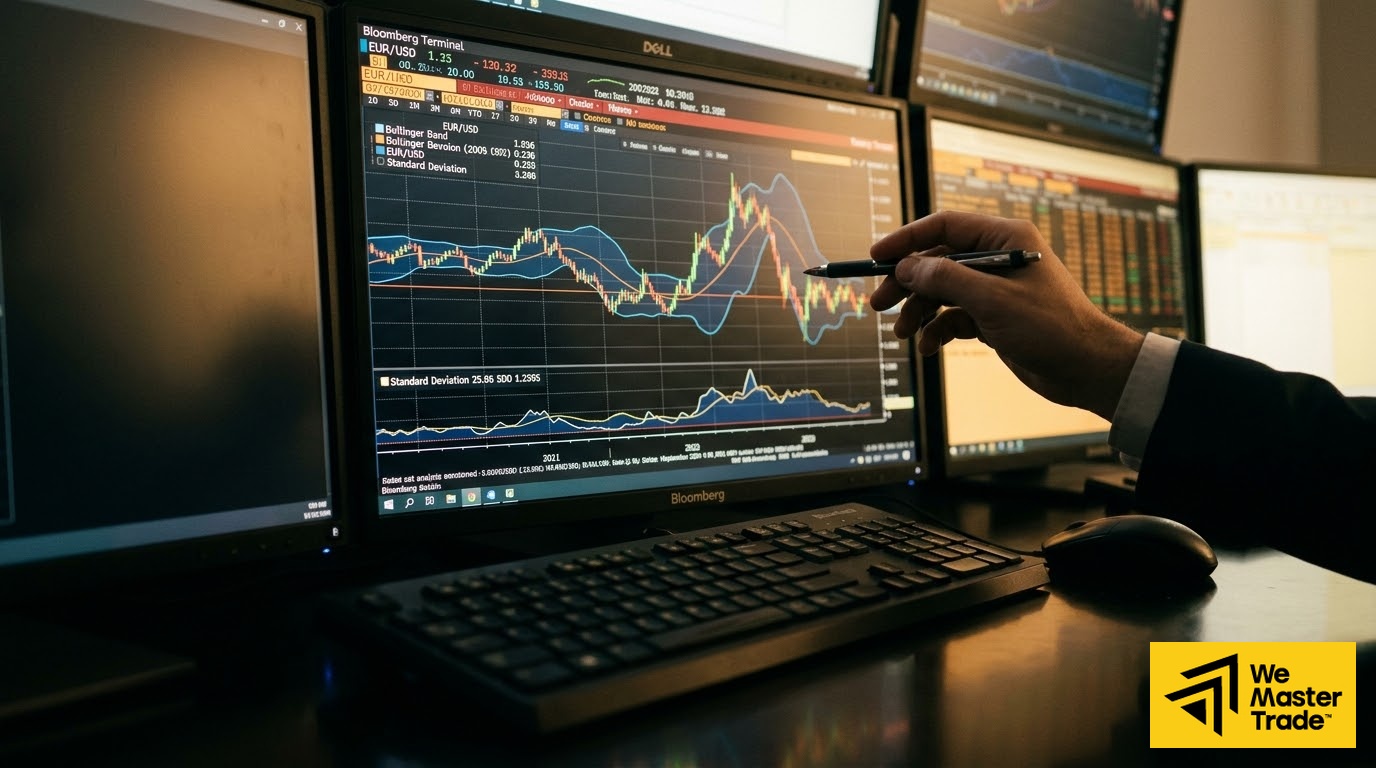
Forex volatility is a measure of how much a currency pair’s price fluctuates over time. Essentially, it quantifies the degree of uncertainty or risk associated with an asset. When a currency pair exhibits high volatility, its price can move significantly within a short period, offering greater opportunities for profit but also exposing traders to higher potential losses. Conversely, low volatility forex suggests a period of relative calm, with smaller price movements and potentially fewer trading opportunities.
The concept of currency market volatility is intrinsically linked to Price Fluctuations. These fluctuations are the very essence of how traders generate profits or incur losses. For instance, a pair moving 100 Pips in an hour is far more volatile than one moving 10 Pips over the same duration. This rate of change directly influences the risk profile of a trade and the potential returns.
Understanding these basics is a foundational step for anyone engaging in forex trading. Whether you are a beginner or an experienced trader, grasping the nuances of price movement and its measurement is critical. Further enhancing this foundational knowledge can be achieved through a structured curriculum, such as a dedicated forex trading academy which provides in-depth education on market mechanics and analytical techniques.
High vs. Low Volatility Forex
The distinction between high and low volatility forex is crucial for strategic planning. High volatility is often seen during major economic announcements or geopolitical events, leading to unpredictable spikes and drops. While appealing for its potential for quick gains, it demands swift decision-making and robust Risk Management. Conversely, periods of low volatility typically characterize calmer market conditions, often occurring during off-peak trading hours or when no significant news is expected. These conditions may suit range-bound strategies or long-term positions where rapid price swings are less desirable.
The Role of Pips in Volatility
Pips, or “points in percentage,” are the standard unit of measurement for expressing the change in value between two Currency Pairs. A higher number of pips moved over a given timeframe indicates greater volatility. For example, if EUR/USD moves from 1.0850 to 1.0950, it has moved 100 pips, signifying a considerable price change and thus higher volatility than a movement of just 10 pips. Traders constantly monitor pip movements to gauge the immediate market sentiment and potential for further price action.
What Causes Forex Volatility?
The Forex Market is a complex ecosystem influenced by a myriad of factors, all contributing to the ebb and flow of currency market volatility. Understanding the causes of forex volatility is essential for anticipating market movements and making informed trading decisions. These factors can range from scheduled economic data releases to unexpected geopolitical shifts, often creating significant price fluctuation forex.
Economic Data Releases
Perhaps the most consistent driver of forex volatility is the release of Economic Indicators. Central banks and government agencies regularly publish data concerning a nation’s economic health. Reports on inflation, employment figures (like Non-Farm Payrolls), Gross Domestic Product (GDP), and retail sales can significantly impact a currency’s perceived value. For instance, stronger-than-expected economic data for a country typically leads to an appreciation of its currency, causing volatility as traders react to the news. A deeper understanding of these reports is vital; resources detailing key economic indicators can provide invaluable context for traders.
Central Bank Policies and Interest Rates
Central Banks play a pivotal role in shaping forex volatility. Their monetary policy decisions, particularly regarding Interest Rates, are closely watched. When a central bank raises or lowers interest rates, it directly impacts the attractiveness of its currency for investors seeking higher returns. Therefore, central bank news and forex volatility are inextricably linked. For example, an unexpected interest rate hike can cause a currency to surge, while a dovish statement can lead to depreciation. These announcements often create periods of intense high volatility forex.
Geopolitical Events and Market Sentiment
Unforeseen geopolitical events, such as elections, trade disputes, or international conflicts, can trigger sharp and sudden price movements. These events introduce uncertainty, leading to shifts in market sentiment forex. Traders react to perceived risks and opportunities, often leading to rapid capital flows that amplify volatility. Monitoring the latest forex market news volatility sentiment is crucial for staying ahead of these developments. Moreover, natural disasters or major policy changes can also provoke significant forex volatility news, requiring traders to be agile and responsive.
Liquidity and Market Depth
Liquidity, or the ease with which an asset can be bought or sold without affecting its price, also influences volatility. Currency pairs with high liquidity, like the majors (e.g., EUR/USD, GBP/USD), tend to have lower volatility under normal conditions because there are always willing buyers and sellers. However, in thinly traded markets or during off-peak hours, even small trading volumes can lead to exaggerated price movements and increased volatility due to reduced market depth.
How to Measure and Analyze Volatility
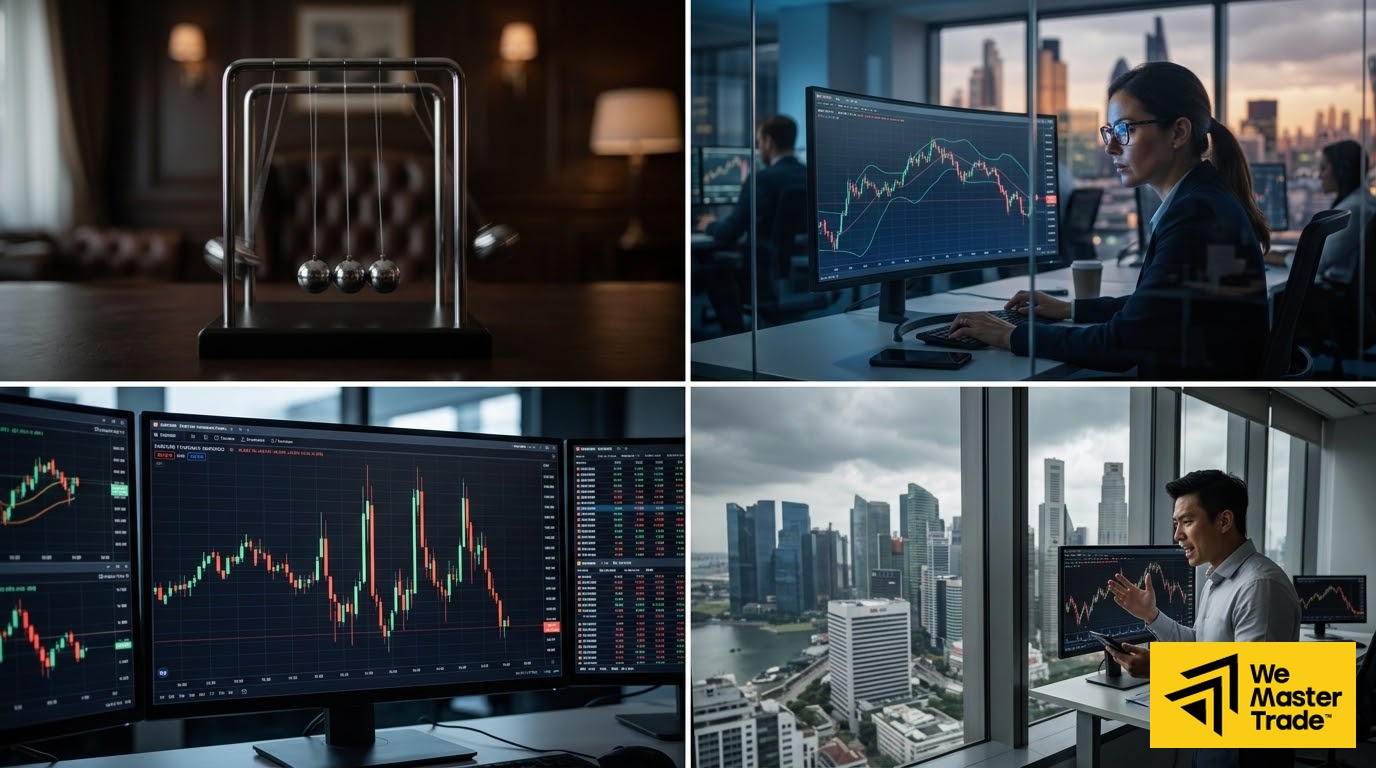
Effectively trading volatility forex requires robust tools and analytical methods to quantify price movements. Traders rely on various forex volatility indicators and charting techniques to gauge market sentiment and predict potential future price action. Being able to measure forex volatility is a critical skill for managing risk and identifying trading opportunities.
Average True Range (ATR)
The Average True Range (ATR) is one of the most popular forex volatility indicator tools. Developed by J. Welles Wilder Jr., ATR measures market volatility by calculating the average range between high and low prices over a specified period, typically 14 days. A higher ATR value indicates greater volatility, suggesting larger price swings, while a lower ATR implies calmer market conditions. Traders use ATR to set stop-loss levels and gauge potential price targets, adjusting their strategy based on the market’s current dynamism.
Bollinger Bands
Bollinger Bands forex are another widely used technical indicator that provides insights into volatility. They consist of a simple moving average (the middle band) and two outer bands that represent two standard deviations away from the moving average. When the bands widen, it signals increasing volatility, indicating larger price movements. Conversely, narrowing bands suggest decreasing volatility. Traders often look for “squeezes” in Bollinger Bands, which can signal a potential breakout and a subsequent increase in volatility. Visualizing these patterns on a forex volatility chart can provide immediate insights into market behavior.
Standard Deviation
Standard deviation forex is a statistical measure that quantifies the amount of variation or dispersion of a set of data values. In forex, it measures how much a currency pair’s price deviates from its average price over a given period. A higher standard deviation indicates greater price dispersion and thus higher volatility. While not as commonly displayed as a standalone indicator on trading platforms, the concept of standard deviation underpins many other volatility measures, including Bollinger Bands. These analytical tools are often integrated into advanced trading environments, making it easier for traders to access and interpret market data directly from our trading platform.
Other Volatility Tools
Beyond these core indicators, traders also utilize tools like the forex volatility index, which aggregates volatility data across various currency pairs to provide a broader market perspective. Additionally, a forex volatility scanner can help identify currency pairs currently experiencing significant price movements, allowing traders to quickly pinpoint opportunities or risks. These tools provide a comprehensive view, enabling traders to make data-driven decisions about trading volatility forex.
Trading Strategies in Volatile Markets
Trading in volatile markets presents both significant opportunities and heightened risks. Successful trading strategies volatility demand adaptability, discipline, and a clear understanding of how to trade volatility. The key is to select strategies that align with the current market conditions and a trader’s personal risk tolerance.
Breakout Strategies
One of the most popular approaches in high volatility forex environments is the breakout strategy. This involves identifying key support and resistance levels and entering a trade when the price “breaks out” of these established boundaries. The sudden, strong price movements characteristic of high volatility can lead to substantial gains if the breakout is genuine. However, false breakouts are common, necessitating tight stop-loss orders and careful confirmation signals. Traders often rely on forex volatility news to anticipate such events, as major announcements can act as catalysts for significant breakouts.
News Trading
How to trade volatility often involves reacting to news events. News trading capitalizes on the immediate price reactions following major economic data releases or central bank announcements. This strategy requires quick decision-making and access to real-time information, as prices can move hundreds of pips in minutes. While potentially highly profitable, news trading is also extremely risky due to unpredictable price swings and potential slippage. Traders employing this approach often seek brokers offering instant trade execution to capitalize on fleeting opportunities.
Range Trading in Low Volatility
While this article focuses on volatility, it’s also important to acknowledge strategies suited for its opposite. In low volatility forex conditions, range trading strategies can be effective. This involves identifying currency pairs that are trading within a defined price range and buying at support and selling at resistance. While these conditions offer fewer dramatic movements, they can provide consistent, albeit smaller, profits for patient traders. However, a sudden increase in volatility can quickly break these ranges, requiring careful monitoring.
Adapting to Volatility
Regardless of the chosen strategy, successful trading volatility forex requires constant adjustment. This includes modifying position sizes, adjusting stop-loss and take-profit levels, and even deciding whether to trade at all during extremely turbulent periods. Understanding the impact of volatility on forex trading outcomes means recognizing that a strategy that works well in one market environment may fail spectacularly in another.
Managing Risk and Reward in Volatile Conditions
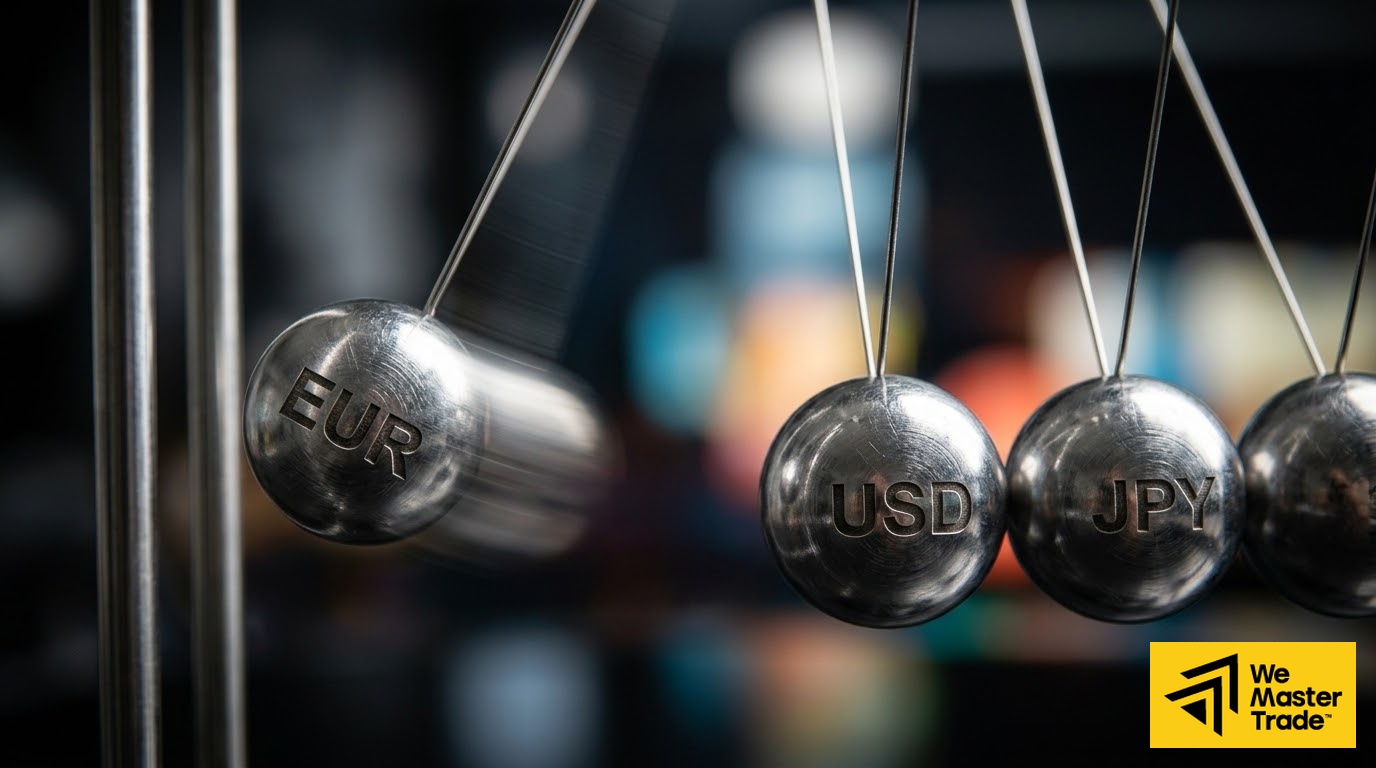
Effective forex risk management is the cornerstone of sustainable trading, especially when navigating volatile currency pairs. The increased potential for profit in high-volatility markets is always accompanied by an elevated risk of significant losses. Therefore, a disciplined approach to managing both risk and reward is paramount for long-term success.
Implementing Stop-Loss and Take-Profit Orders
One of the most fundamental risk management tools is the judicious use of stop-loss and take-profit orders. A stop-loss order automatically closes a trade when the price reaches a predetermined level, limiting potential losses. In volatile conditions, stop-loss orders might need to be wider to avoid being prematurely triggered by normal market “noise,” or conversely, very tight to protect against rapid adverse movements, depending on the strategy. Take-profit orders, on the other hand, automatically close a trade when a desired profit level is reached, helping traders secure gains and avoid the temptation of holding on too long. This strategic use of orders is crucial for understanding forex market dynamics.
Strategic Position Sizing
Adjusting position sizing based on market volatility is a critical component of risk management. When volatility is high, traders should consider reducing their position size to mitigate the impact of larger price swings. A smaller position means that if the market moves against the trade, the financial loss will be proportionally less. Conversely, in less volatile conditions, a trader might feel comfortable taking a larger position. This flexible approach to position sizing is essential for preserving capital and ensuring that no single trade can severely damage a trading account. It directly influences how traders can effectively manage profit payouts over time.
Diversification Across Currency Pairs
While not always feasible for every trader, diversifying across different currency pairs can help spread risk. Not all currency pairs exhibit the same level of volatility simultaneously. By holding positions in pairs with varying volatility profiles, a trader can potentially mitigate the impact of extreme movements in a single currency. However, this strategy requires careful monitoring of multiple markets and a comprehensive understanding of their respective drivers. Ultimately, managing risk in volatile conditions is about making deliberate choices that protect capital while still allowing for profitable engagement with the market.
Key Questions About Forex Volatility Answered
Q: What is forex volatility?
A: Forex volatility refers to the rate and magnitude at which currency pair prices change over time, reflecting market uncertainty and potential for profit or loss. It quantifies how much a price deviates from its average.
Q: How is volatility measured in forex trading?
A: Volatility is commonly measured using technical indicators like Average True Range (ATR), Standard Deviation, and Bollinger Bands. These tools quantify price fluctuation and deviation from an average over specific periods.
Q: What factors cause forex volatility?
A: Major factors include economic data releases (e.g., interest rates, inflation), geopolitical events, central bank announcements, shifts in market sentiment, and changes in market liquidity. These can trigger rapid price movements.
Q: How does volatility impact forex trading strategies?
A: High volatility can present greater profit opportunities but also increased risk, requiring traders to adjust position sizing, stop-loss levels, and entry/exit points. Low volatility may suit range-bound strategies with smaller movements.
Q: Is trading high volatility currency pairs advisable for beginners?
A: Trading highly volatile currency pairs is generally not recommended for beginners. The significant risk and rapid price movements demand advanced risk management skills and experience that most novices lack.
The WeMasterTrade Advantage: Navigating Volatility with Confidence
The inherent forex volatility of currency markets presents a double-edged sword: immense opportunity for profit, but also substantial capital risk. For skilled traders, the challenge often isn’t a lack of talent, but rather access to sufficient capital without enduring lengthy, restrictive evaluation periods that delay their market participation. Many promising strategies are sidelined because of these barriers, preventing traders from truly capitalizing on dynamic market conditions.
WeMasterTrade directly addresses this critical gap by offering an innovative angel funding forex model. We provide instant funding for trading accounts, eliminating the typical evaluation phase that burdens many prop firms. This means immediate capital access trading for proven traders. Our unique differentiator lies in our dedicated Risk Management team, which copies high-probability trades at up to a 1:4 ratio alongside the trader’s positions. This collaborative approach means our profitability is directly dependent on your success, establishing us as a true no evaluation prop firm committed to fostering trader growth.
This model significantly enhances a trader’s ability to engage with the market, including navigating periods of high currency market volatility. By providing substantial capital and sharing risk, WeMasterTrade empowers skilled individuals to implement their strategies with confidence, amplifying their potential to generate and manage profit payouts. It transforms the individual trading journey into a partnership, where shared success is the ultimate goal.
If you are a disciplined and proficient trader seeking to unlock your full potential in the forex market without the usual capital constraints and evaluation hurdles, WeMasterTrade offers a compelling alternative. Explore how our unique funding and risk-sharing model can provide the capital and support necessary to thrive amidst market fluctuations.