




Have you heard about algorithmic trading? It is a way that computers can do stock trades automatically. With this type of trading, programs analyze the market and place transactions based on certain rules. The first step for those interested in starting trading algorithmic trading is learning the basics of how it works. In this blog post, we will explore the definition of algorithmic trading, its benefits for investors, how to start, and essential tips for successful algo trading.
What is Algorithmic Trading?
Algorithmic trading, also known as algo trading, is a kind of trading that uses computer programs to follow specific rules and make trades automatically in the stock market or other financial markets. You need to design the rules and conditions that tell the computer when to buy and sell stocks. This can save time over traditional trading where a human has to watch the markets closely.
Algorithmic trading also removes emotions from decisions that could lead to bad trades. Computers are fast and accurate at following rules to trade quickly. While still needing oversight, algorithmic trading can test various strategies to find what works best.
How does Algorithmic Trading Work?
To be specific, algorithmic trading automates the process of analyzing massive amounts of market data and then executing trades based on specific instructions. Traders create programs with rules for certain parameters like prices, volumes, ratios, moving averages, and other technical indicators. The programs then monitor market data constantly for signals that trigger the conditions.
When a signal occurs, the algorithms rapidly buy or sell according to the programmed trading strategies on the trader’s behalf. This allows algorithmic trades to identify and capture tiny profits without emotions clouding the logic of the programmed rules.
Why Consider Algorithmic Trading?
Algorithmic trading is an excellent option for traders for several reasons:
- Potential for higher returns: By trading dynamically based on market data, algorithms may realize profits from small short-term moves that humans could miss. This enhances your returns over time.
- Emotions do not get in the way: When people trade by themselves, fear or excitement can cause them to make decisions they later regret. Algorithms stick strictly to the trading plan without those emotions.
- Ability to handle large volumes of data and trades: Algorithms can monitor countless variables, find patterns, and execute trades automatically 24/7 without tiring like people.
- Continuous market monitoring and quick execution: Algorithms watch constantly for defined opportunities and fill orders much faster than manual trading could achieve.
- Testing of multiple strategies: Traders may backtest algorithms to optimize parameters, whereas live testing risks human capital with each change.
- Adapt strategies: If things are not working, it is no problem to go back and tweak the trading rules and algorithms to try to improve performance.
Basic Components of Algorithmic Trading
Here are the basic components of algorithmic trading:
- Algorithms: These are the step-by-step introductions that traders program to analyze market data and generate trade signals. Common algorithm types include trend following, mean reversion and news/ earnings play strategies.
- Data: Historical market data is used to backtest algorithms before live trading. Data flows of prices, volumes, quotes, etc. are required to continuously run algorithms.
- Platforms: Traders require toolkits/ software with capabilities like backtesting, order management, risk controls, and automated execution to run algorithms on brokers’ servers.
- Strategies: Strategy types include high-frequency trades trying to profit from brief price changes, swing/ momentum plays over periods, and quantitative strategies based on mathematical models. These approaches are tested and improved continuously.
- Execution Management System: After algorithms generate orders, an EMS routes them to appropriate exchanges and brokers through high-speed connections for fast-as-possible filling of trades.
How to Get Started with Algorithmic Trading
To get involved in algorithmic trading, you just need to take these simple steps:
Learn the Basics
It is critical to understand how financial markets work. Spend time learning key ideas like different trading strategies, order types, risk rules, and asset categories such as stocks, currencies, Forex, and so on.
You can gain knowledge from books, websites, or classes to familiarize yourself with concepts. A solid foundation of market principles is necessary before developing computer programs to trade automatically.
Pick your asset class
The next step is deciding which types of markets to focus on. Will you trade stocks, currencies, commodities, or other options? Carefully consider your specific interests, skillset, and comfort with risk when selecting an asset category. Each one operates differently based on its own influencing factors like company reports, global affairs, or supply and demand.
By understanding the nature of various classes, you can choose where your programming strategies may best apply and perform over the long run given your interests and personality.
Select the Right Tools
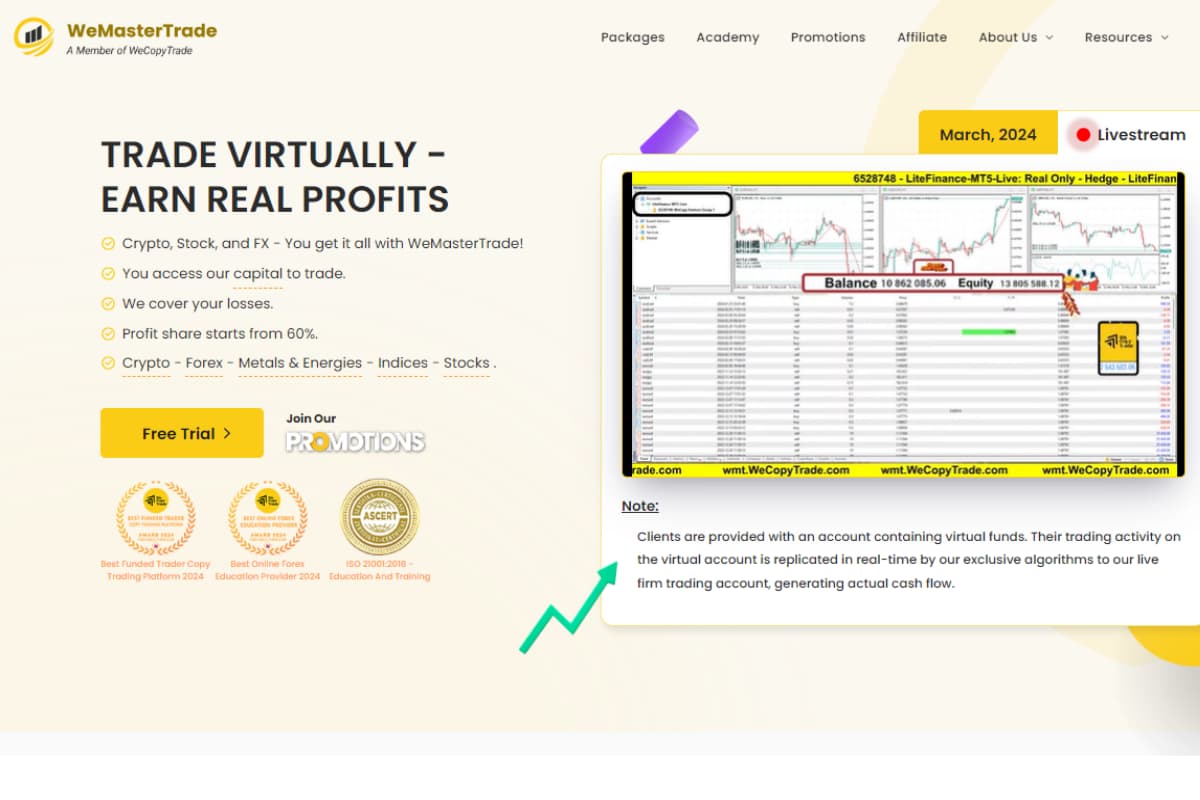
With the asset class chosen, the next step is setting up your system. You will need a prestigious trading platform through which to develop and run algorithms on real markets. Research options that provide programming interfaces along with historical and live data feed into your strategies. WeCopyTrade should be an excellent recommendation due to its robust toolsets and capabilities.
Learn Programming
Programming is key to automating your trading approaches. While programming skills take effort to develop, choosing a language to learn depends on your preferred platform and technical comfort level. Python is often selected for its accessibility and useful resources. If you are not a programmer, consider joining online courses or bringing a developer on board to help with algo strategies.
Develop and Test your Strategy
After choosing tools and learning how to code, you will create your first trading system. Create a basic method using ideas such as simple moving averages or support and resistance levels. Before risking your money, thoroughly backtest it using historical market data to check if your idea has worked in the past.
Analyze the results to improve your strategy, maybe adjusting signals, levels, or other factors across numerous rounds. Once showing profits over time in backtests, you have developed a strategy programmed to make decisions.
Start Small and Scale Up
Now is the time to put your strategy to the test in real markets. To begin, risk just a modest amount based on your system’s signals with real trades, not simulation. To start, risk just a modest amount according to your system’s signals with real trades, not simulation.
Constantly monitor how it performs and make adjustments as needed when experiencing live conditions. Scale up positions slowly if everything goes as planned. This allows for fine-tuning while minimizing investment risks upfront.
Tips for Successful Algorithmic Trading
To earn profits effectively with algorithmic trading, check out these tips:
- Start small and practice diligent risk management. Never risk over 1-2% of your account on any single trade.
- Diversify your strategies and assets to reduce dependence on anything performing well.
- Automate as much as possible but still monitor systems and markets closely for unexpected moves or software/data errors.
- Limit losses quickly through stop-losses or profit-taking measures to stay in the game long-term. Small regular wins beat big losses.
- Refine strategies through simulations, adjusting based on past performance without emotionally clinging to any approach.
Conclusion
So in summary, algorithmic trading uses computer programs and code to automatically generate buy and sell orders based on trends in market data. It offers opportunities for both individual traders and large investment firms to systematically trade the markets.
While getting involved takes learning to code and steady strategy development, algorithmic trading can produce profits through its ability to spot patterns and execute decisions without emotion. Please check out the WeMasterTrade Blog for additional useful tips.

