













Are you wondering if you should invest in prop firms? To answer this question, you first need to clearly understand this model and assess if it truly fits your trading style and goals. Below are the essential facts about prop firms you absolutely must grasp before you decide to invest in them.
What Exactly is Proprietary Trading?

Proprietary Trading (often shortened to “prop trading”) is a dynamic form of trading where a financial firm – commonly known as a prop firm – uses its own substantial capital to trade in the financial markets. Unlike traditional brokerage houses that execute trades for clients and earn commissions, when you invest in prop firms, the firm itself is the active investor. They directly put their capital into various financial instruments such as stocks, foreign exchange (Forex), commodities, and other derivatives, all with the primary aim of generating significant profits for themselves.
The big difference in prop trading is that the company takes all the risk but also keeps all the profit from the trades. To maximize opportunities, they often use advanced trading strategies like algorithmic trading, arbitrage, and short-term speculation.
See more:
- Find Your Fit: Exploring the 4 Types of Trading
- What is Instant Funding? Everything You Need to Know
- Forex Funded Account vs. Personal Account: What Should We Choose?
Is It Worthwhile to Invest in Prop Firms?
Before you make the crucial decision to participate with a prop firm and potentially invest in prop firms, it’s incredibly important to deeply understand how this unique model operates and precisely what a trader can expect. Here are several crucial factors you should carefully consider and weigh:
Access to Significant Trading Capital

Prop firms offer trading accounts ranging from $10,000 to over $1 million, giving traders access to capital they might not have on their own. The catch is that traders do not have to invest their own capital to trade, but in return, they must adhere to strict rules to maintain their accounts.
Selection Process & Training
It’s important to understand that gaining immediate access to a prop firm’s capital is not a given for everyone. The vast majority of prop firms require traders to successfully pass a challenging evaluation or skill test. This assessment is designed to rigorously prove a trader’s ability to demonstrate a stable trading performance before any capital is allocated.
Some prop firms also offer training, risk management resources, and strategy guides to help traders improve their skills before they officially enter the market with larger capital.
Strict Risk Management
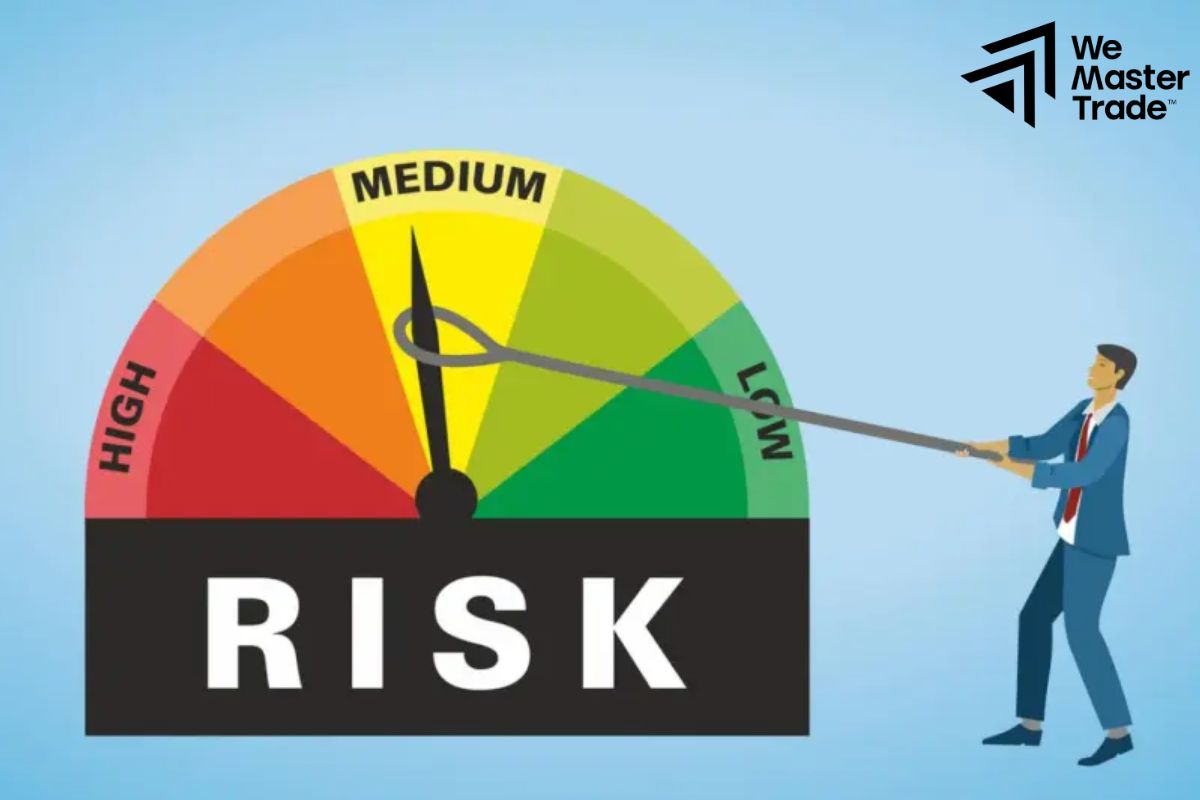
Despite providing significant capital to traders, prop firms are, understandably, extremely diligent about protecting their own funds. To this end, they implement and enforce strict risk management regulations and limits. These common limitations typically include:
- Maximum loss (daily and max drawdown)
- Leverage limits
- Consistent trading rules
Advanced Technology & Essential Trading Tools
One of the big benefits of choosing to invest in prop firms is getting access to powerful trading tools, including:
- Sophisticated algorithmic trading software to optimize strategies
- Real-time market data feeds
- In-depth analysis tools
These can help traders boost their trading performance and make better decisions.
Profit-Sharing Model

Prop firms generate their profits directly from the successful trading activities of their funded traders. Therefore, the profit-sharing model is a critically important element that prospective traders must carefully evaluate. The typical profit-sharing ratios can vary, generally ranging from a 50/50 to a more favorable 80/20 split, depending on the trader’s consistent performance and the size of their managed account.
Additionally, many prop firms even offer appealing account scaling programs. Under these programs, if a trader consistently demonstrates stable and profitable trading over a defined period, they can be granted additional capital.
How to Successfully Invest in Prop Firms
To embark on a successful journey as a funded trader at a prop firm, you’ll need to skillfully combine robust trading skills, strong risk management capabilities, and the ability to meet the firm’s specific selection requirements. Here’s a clear roadmap to help you easily achieve success when you decide to invest in prop firms:
Fully Understand the Prop Firm Trading Model
Unlike individual trading, where you use your own personal capital, when you invest in prop firms, you will be utilizing capital provided and managed by the company. Key aspects to thoroughly understand include:
- Types of tradable assets: Forex, stocks, futures, etc.
- Risks and rewards when trading with company funds
- How prop firms operate, selection requirements, and profit sharing methods
Develop your trading skills

To achieve consistent success in proprietary trading, you must build and maintain a rock-solid trading foundation:
- Learn technical and fundamental analysis
- Accumulate experience in the market by demo trading before participating in the challenge
- Research trading psychology to control emotions during market swings
Choose the Right Prop Firm to Invest In
Every prop firm has its own unique funding policies, distinct selection requirements, and varying profit-sharing models. Therefore, it’s absolutely crucial that you conduct thorough research and due diligence before making a commitment to invest in prop firms:
- Capital level (can range from a few thousand to millions of USD)
- Profit sharing ratio (usually from 50% – 90%)
- Trading conditions (risk limits, challenge duration, leverage, etc.)
Some prop firms may also require minimum trading periods, apply different leverage allowances based on account performance, and offer excellent account scaling policies for traders who consistently demonstrate strong performance. Comparing all these factors will help you pick the right fit.
Pass the Evaluation Process
A significant step on the path to becoming a funded trader is successfully completing the firm’s competency assessment. Most prop firms mandate that traders pass such a test before they are granted access to capital. These evaluations typically require you to:
- Trade on a demo account following the firm’s rules
- Maintain a steady profit rate and follow risk limits
- Demonstrate effective capital management
Grow & Scale Your Account

After being funded, you need to focus on stable trading performance to maintain the account and and get a chance to manage more capital. Some important tips:
- Stick to your trading plan to avoid unnecessary risks
- Use the analysis tools provided by the firm to support your strategy
- Continuous learning to improve skills and adapt to market changes
Conclusion
So, have you now found a clearer answer to the question, “Should I invest in prop firms?” Engaging with a prop firm undoubtedly opens up numerous exciting opportunities for traders to significantly optimize their potential profits without the typical constraints of personal capital limitations. However, it is absolutely crucial to remember that true success within this unique model ultimately stems from your own inherent trading skills, unwavering discipline, and diligent risk management. We wish you immense success on your trading journey ahead!
See more:
- Where to Join Funded Forex Trading? Guide for New Traders
- Funded Trading Programs: Earn Your Real Profits with WeMasterTrade
- How to Get Funding for Trading: Start with the Lowest Investment
- Funded Trading Strategies and How to Get Started