












As a trader, you may have noticed that the markets do not always go up and down randomly. Sometimes, there are trends that keep happening at the same times each year. These repeating trends are called seasonal patterns and understanding them can really help you in your trading. In this article, we will look at some important seasonal patterns that all traders should be aware of and how they can help you make better choices about buying and selling.
What are Seasonal Patterns?
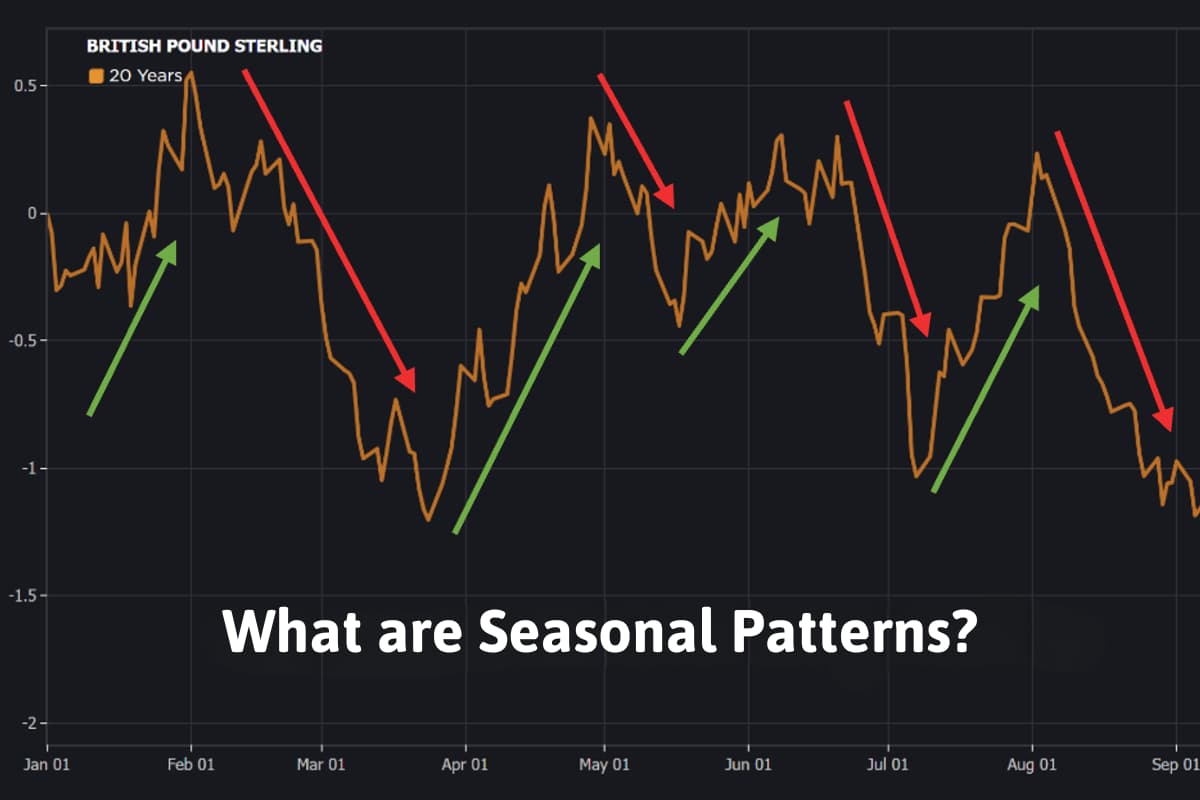
Seasonal patterns refer to market trends that occur around the same times each year. Certain periods tend to see regular price changes in stocks, commodities, or currencies due to events like holidays, weather seasons, and how people feel at different times.
Understanding these cycles can give traders an edge, as some assets often rise or fall when seasonal factors are influencing supply and demand. Spotting seasonal patterns provides helpful clues about how markets may move in the future. Paying attention to these recurring trends can assist traders in better timing their buy and sell decisions each year.
How are Seasonal Patterns Formed?
Seasonal patterns in the financial markets can develop due to several common factors:
- Specific times of the year like certain months or weeks often see recurring price movements. This could be around seasonal changes.
- Anticipated regular events such as company earnings reports or major economic indicator releases.
- Weather conditions play a role. For example, commodity prices may rise in hot summer months when energy demand increases.
- Many human behaviors naturally follow seasonal rhythms. Things like holidays can impact financial decisions.
- Fluctuations in the supply and demand of different assets according to the time of year.
- Emotional states tend to vary seasonally which can influence investor behavior and trading.
- Payment schedules sometimes aligned with the calendar year lead to seasonal buying and selling.
- Times of significant or unusual weather that affects various industries.
- The dissemination of news at scheduled periods like quarterly reports.
- Seasonal crop cycles and harvest periods impact agricultural commodity prices.
Why Trade Seasonal Patterns?
There are several good reasons why traders might focus on seasonal patterns in the market. These patterns may provide traders with an advantage because they occur at the same time every year, allowing traders to forecast price swings. Trading with the seasons also takes advantage of repeating market cycles rather than daily price changes, potentially lowering investment risk. Seasonal patterns provide insight into when it is better to acquire assets that normally gain in value during specific seasons and when to sell assets that typically decline.

Experienced traders can use historical data to determine which items tend to climb or fall over certain seasonal periods of the year. With expertise, good traders may combine seasonal knowledge with other technical or fundamental research to make better buying and selling decisions. Finally, analyzing seasonal trends helps traders pinpoint low-risk entry and exit points.
Common Seasonal Patterns in Different Markets
Let us look at some common seasonal patterns across different financial markets: stock market, Forex market, and commodities market.
Stock Market
There are a couple notable seasonal patterns that traders watch in the stock market.
- January Effect: Stocks often rise in January as investors buy back the shares they sold for tax losses in December. Knowing this trend can prepare you for potential gains early in the new year.
- Sell in May and Go Away: This saying refers to the tendency of stocks to underperform between May and October. Some traders will reduce their exposure to the market during these months due to historically weaker performance, possibly due to lower trading volumes during summer vacations.
Overall, these two recurrent stock market cycles of a January boost and summer slowdown can help traders time their equity positions to move with those seasonal price swings. Of course, analyzing current market conditions is also important before making any trades.
Forex Market
There are two seasonal influences traders monitor in the foreign exchange market:
- Holiday Impact: Major holidays like Christmas and New Year’s can significantly impact currency prices. Trading volumes usually drop during these times, which can lead to increased volatility and unpredictable swings. Traders need to be aware of this pattern.
- End-of-Month/ Quarter Effects: At the close of each month or quarter, large companies and financial institutions may make sizeable currency transactions to balance their accounts. This process can cause visible movements in exchange rates during these periods. Traders look for opportunities during these recurring seasonal shifts.
Commodities Market
Certain commodities exhibit predictable seasonal trends that traders need to watch:
- Harvest Seasons: Agricultural commodities tend to experience price changes around harvest time. For example, as supply increases during harvest periods for crops like soybeans and corn, their prices often decline seasonally.
- Energy Demand Fluctuations: The need for energy products like oil and natural gas typically rises in winter due to heating and in summer due to air conditioning usage. Traders aim to profit from seasonally higher demand for these commodities.
How to Identify Seasonal Patterns in Financial Markets?

So how can you spot seasonal patterns in financial markets. Here are a few effective methods:
- Historical data: One of the best ways is analyzing past market performance over equivalent periods in previous years. Consistent patterns across years may indicate a seasonal factor.
- Economic calendars: Calendars that track important market-moving events provide insight into anticipated seasonal swings associated with certain dates like holidays or reports.
- Technical analysis tools: Some trading platforms have useful graphics and indicators designed to help visualize seasonal behaviors. Charts can assist in identifying recurring peaks and valleys.
By reviewing historical behavior, watching economic calendars, and leveraging available technical tools, traders can recognize seasonal tendencies that regularly impact prices at similar times each year. Spotting these recurring trends helps traders anticipate price movements.
Applying Seasonal Patterns to Your Trading Strategy
Now that you know about seasonal patterns, how can you use them in your trading? Here are several practical tips:
- Timing your trades: Use seasonal trends to help determine optimal times to place buy and sell orders. For example, buying a stock in December before an anticipated January price rise.
- Diversifying your portfolio: Seasonal patterns can assist in diversifying investments across different types of assets that usually perform well at varying times throughout the year.
- Managing risk: While seasonal patterns provide helpful information, there are no guarantees. Always combine them with additional analysis methods. Limit downside by setting stop-losses and avoiding excessive leverage. Seasonal patterns should augment risk management, not replace it.
Potential Pitfalls and Challenges
While seasonal patterns can provide valuable insights, there are some potential issues traders need to be aware of:
- Reliance on patterns: Placing too much confidence in seasonal trends could result in overlooking other important factors that impact prices. Patterns may not always repeat.
- Market changes: Conditions shift over time, so what once triggered a reliable seasonal swing may not change anymore if market dynamics change significantly. Patterns require ongoing re-evaluation.
- Timing risks: Even if the direction of a seasonal move is forecasted correctly, the timing may be off if the price reaction occurs sooner or later than typical. Tight stops are advisable.
Final Words
To summarize, seasonal patterns can provide traders with valuable insights if understood properly. These recurring trends can form from regular human behaviors and natural cycles. Understanding when prices tend to rise and fall throughout the year may help you make better trading decisions. However, it is important to remember that market conditions can change over time. Seasonal patterns work best when combined with other analytical research and risk management.
Visit https://wemastertrade.com/blog for further tips.