












Are you preparing to try your hand with a prop firm? It sounds exciting to trade with someone else’s money, but do you truly understand what prop firm risk levels are? Just one slip beyond the limit… and your account could be “wiped out” in an instant. That’s why it’s important to fully understand prop firm risk levels in the article below.
What Are Prop Firm Risk Levels?
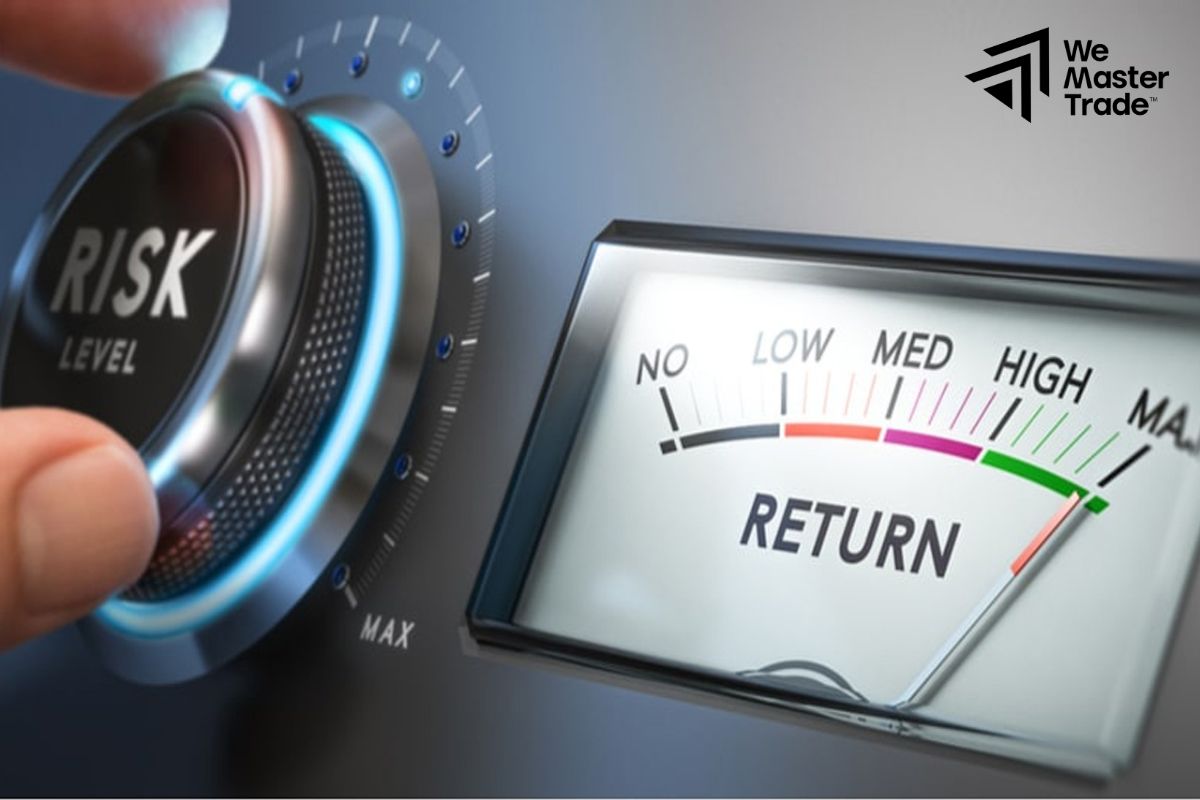
Prop firm risk levels are a set of financial limits imposed by the proprietary trading firm to control potential losses when a trader uses their capital to trade.
Since the trader does not use personal funds, these limits act as a protection mechanism to help the prop firm limit losses and assess the trader’s ability to manage the prop firm risk level.
Typically, prop firm risk levels include three main elements:
- Daily loss limit
- Total allowable loss
- Profit target and consistency rules
See more:
- Maximizing Returns with Carry Trade Strategies
- Stop Loss Strategies to Protect Your Investments
- Lot Size and Risk Management Tips for Safe Trading
Prop Firm Risk Level Violation = Loss of Account, Even if It’s Just $1

When trading with a prop firm account, you’re operating under a very strict control system. Exceed the risk limit — even by just one dollar — and your account can be terminated immediately. This holds true even if you’ve been on a winning streak or your account showed excellent growth the day before.
Prop firms don’t care how much profit you’ve made — they only care whether you followed the risk rules. That’s why every trade you place must be carefully calculated.
Why Do Prop Firms Enforce Strict Risk Limits?
Trading with a prop firm account offers a big opportunity — you gain access to greater capital and can potentially earn more profit without risking your own money. However, that comes with very tight requirements for risk management.
Protecting Capital
The prop firm provides the money, and that money is their asset. If a trader loses control, just a few bad trades could cost the firm thousands of dollars. Setting risk limits is a simple yet effective way to ensure no one “blows up” an account due to emotional decisions.
Prioritizing Stability
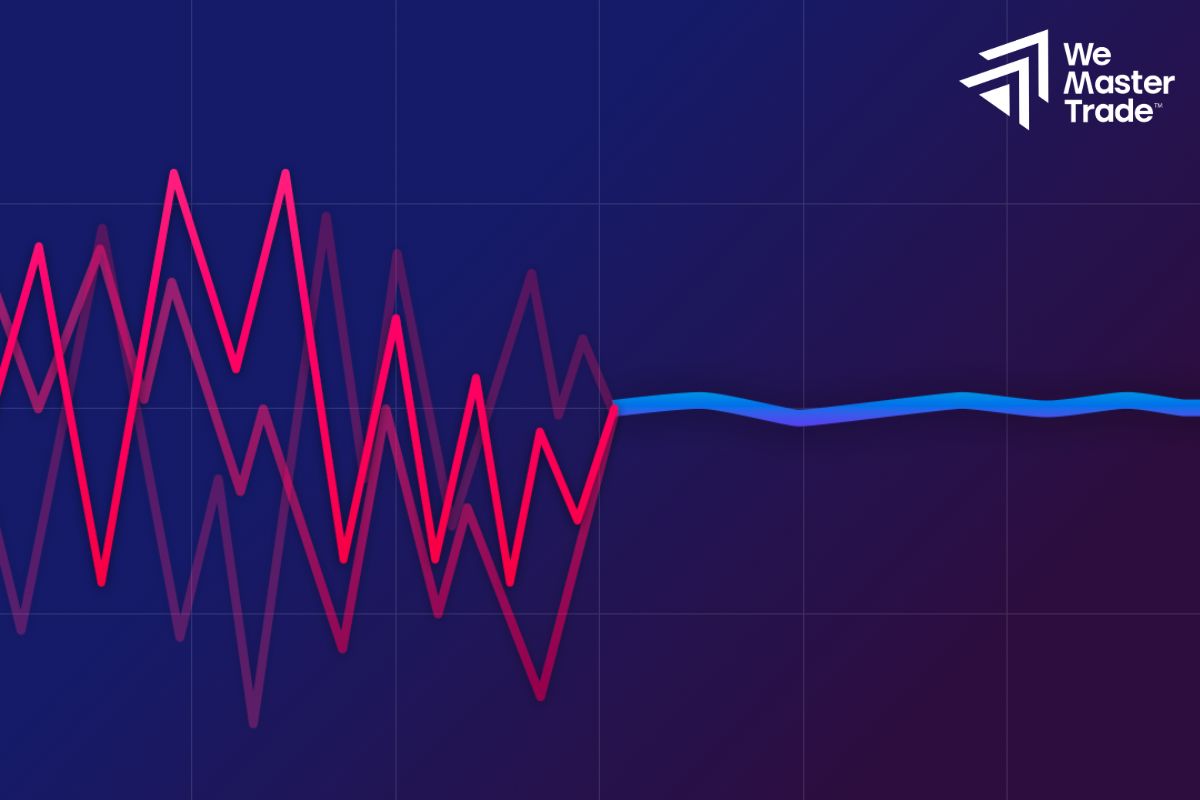
Prop firms aren’t looking for someone who wins big in one session — they want traders who can maintain consistent profits over time. Prop firm risk limits are designed to discourage gambling, all-in strategies, or overly emotional trading — helping traders perform steadily in the long run.
Assessing Professionalism
Whether You Follow Risk Limits Reflects Your Trading Discipline. To a prop firm, a trader who knows how to control risk is someone trustworthy — and more likely to receive higher funding or continue working with the firm over the long term.
Supporting Strong Trading Psychology
Well-controlled risk also helps traders maintain a cooler head while trading. Knowing exactly where you stand — and how close you are to hitting the limits — allows you to avoid “revenge trading” or making emotional decisions after a loss.
3 Core Components That Define Prop Firm Risk Levels
Risk is inevitable in any prop firm or trading market. However, to minimize those risks, it’s essential first to understand what factors contribute to a prop firm’s risk parameters:
Daily Loss Limit
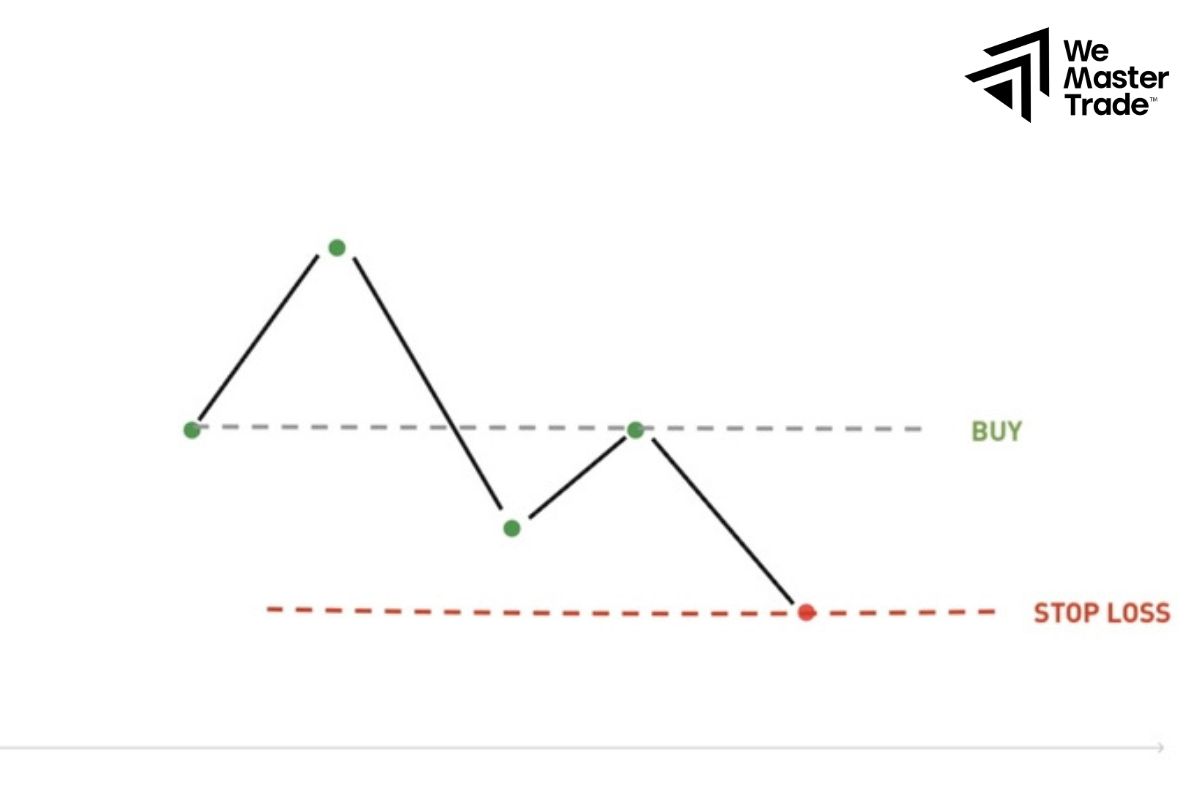
This is the maximum amount you’re allowed to lose in a single trading day. If you exceed this number — even slightly — your account will be shut down, no matter how much profit you made the day before.
Example: If your daily loss limit is $500, and you end the day with a -$501 loss, you’ve violated the rule. Even if you made $2,000 the day before, it won’t save your account.
The purpose is to prevent account destruction due to one emotionally-driven, out-of-control trading day.
Total allowable loss
This is the total amount you are allowed to lose from the highest balance you have ever had. If you lose more than this, the prop firm will terminate your account.
Example: If your account peaked at $105,000 and your drawdown limit is $1,000 → dropping below $104,000 means… game over.
This rule helps prop firms avoid prolonged losses from consistently underperforming traders — and teaches you how to protect your profits.
Profit Targets & Consistency Requirements
The Profit Target acts as a milestone to prove your capability. Hitting this target qualifies you to pass an evaluation phase or retain your funded account.
Consistency Rules are in place to check whether you trade steadily over time. Some prop firms don’t allow you to make 80% of your total profits in just one day — they want to see you in control, not gambling behavior.
They’re not looking for a “big hit” in one session — they want proof that you can earn consistently and sustainably.
How to Effectively Manage Prop Firm Risk Levels?

Here are some simple but critical principles to keep your prop firm account safe:
- Trade with appropriate position sizes: Don’t place oversized trades relative to your account balance. Even if you’re confident, “all-in” strategies often lead to irreversible mistakes.
- Always set a stop-loss: Never let a trade “float” without a defined loss limit. A sudden market reversal can cause you to lose control in an instant.
- Stop trading when you are close to your daily loss: If you are close to your daily loss limit, stop. Take a break, calm down – don’t try to recover because that can easily lead to total loss.
- Keep a trading journal: Recording your trades helps you clearly identify weaknesses, track which strategies are working, and improve your risk control over time.
- Stick to your plan, avoid emotional trading: No FOMO (fear of missing out), no revenge trading. Treat each trade as part of a bigger strategy — not as a gamble.
Conclusion
In summary, the prop firm risk level is the company’s protection for their capital. To be funded and maintain your account, you must understand and comply with these limits combined with building a suitable strategy. This is also a necessary requirement to help you practice discipline and build a sustainable trading journey.
See more: