





Not just for experienced investors but also for amateurs trying to diversify their portfolios, options trading has grown to be a really popular financial strategy. Its intricacy and seeming hazards, however, can discourage beginners from investigating this maybe profitable business. This article seeks to demystify options trading, stressing its advantages, drawbacks, and doable actions to enable you to boldly start your path.
What Are Options Trading for Beginners?
Options are contracts offering the right to buy or sell a stock at a designated price by a certain date. Purchasing or selling contracts with price in mind to profit is the activity known as options trading. Let’s imagine you wish to acquire a $200 stock.
If you believe the stock will double to $400 during the next year, you may pay a minimal fee — probably less than $2 per contract — to purchase an option to buy the shares at $220. If the stock reaches $400, you may exercise or resell the option for around $150 per contract.
One may argue that trading options is more complex than trading stocks. When you buy a stock, you simply indicate the amount of shares you want; your broker then completes the transaction using either the current market price or a designated limit price. Creating an options trading account involves a few more steps than establishing a regular investment account; options trading calls for a grasp of complex techniques.
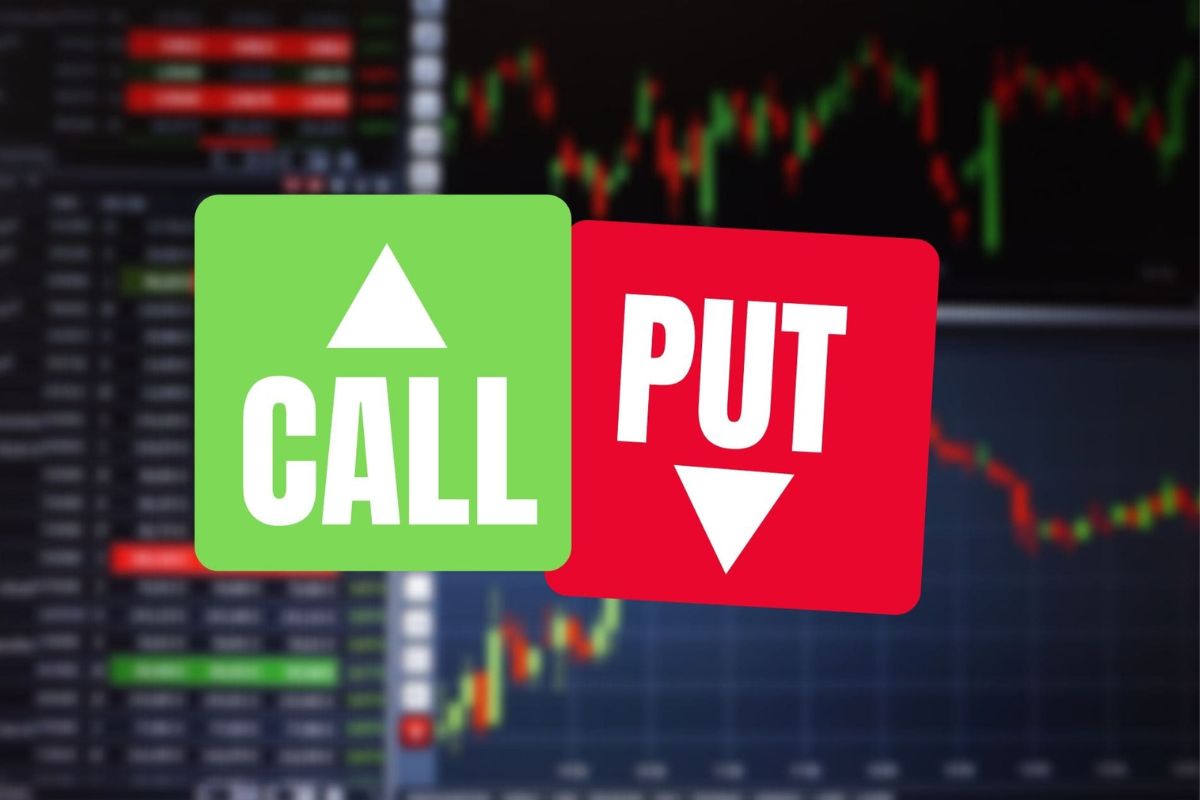
Before you start trading, you really need know the foundations of options trading.
Key Features of an Option Contract:
- Call Option: The right to purchase an asset at a certain price.
- Put Option: The right to sell an asset for a certain price.
- Strike price: The agreed-upon price for purchasing or selling an asset.
- The expiration date: is the deadline for executing the option.
Why Is Options Trading Attractive for Beginners?
Both beginner and seasoned investors have been interested in the intriguing financial technique known as options trading. Its attraction stems from the possibility to seize chances outside conventional investing strategies.
Rapid Profit Potential Returm
Options trading enables investors to make substantial returns on very little investments. Leveraging financial instruments such as options may increase your income if the market swings in your favor.
Unlike typical stock investing, options provide unique potential to increase profits with a lesser initial investment. This makes them an intriguing option for people seeking high-growth investment opportunities.
Risk Control with Minimal Capital

Options allow you to control a big quantity of stock or other assets for a fraction of the price, therefore limiting your risk. This makes them a user-friendly and controllable tool for novices.
The ability to set your maximum loss beforehand is an important element of options trading. This is particularly advantageous for beginners since it alleviates the worry of losing significant sums of money.
Flexible Market Scenarios
By allowing traders to profit in a range of market conditions—including bullish, bearish, and even sideways movements—options trading presents a unique advantage. For many different kinds of investors, this versatility makes it a helpful tool.
To offset prospective losses or benefit from market volatility, traders might use strategies like straddles, strangles, and spreads. This adaptability set options trading for beginners apart from more traditional investment strategies.
Common Options Trading Mistakes Beginners Should Avoid
While entering the realm of options trading might be fascinating, it also presents many possible hazards for the unwary. Building a strong basis and avoiding expensive blunders depend on an awareness of the typical faults made by novices.
Lack of Knowledge
Many options trading blunders stem from a lack of knowledge. Jumping in without understanding the basics may lead to expensive mistakes. Trading is a very difficult profession that demands substantial knowledge and ongoing training. However, many novices feel it is a simple way to rapid and significant gains, which leads to high expectations and bad decision-making.
It is critical to educate oneself on how options function, the language used, and the variables that determine their value. This information will serve as the basis for your trading choices, allowing you to approach the market with a realistic perspective.
Trading Based on Emotions

Emotional trading is one of the most prevalent hazards for novices. Decisions based on fear, greed, or market rumors might result in large losses.
This is not only a typical error for newbies, but also one of the most difficult problems for seasoned traders. Controlling emotions and keeping discipline are never easy, particularly in the financial market, where volatility may increase stress and lead to rash actions. A planned approach based on facts and research is vital for avoiding emotional trading and making reasonable decisions even in unexpected market situations.
Lack of Risk Management
Any kind of trading, but particularly options trading for beginners, depends on controlling risk. Without a well-defined strategy, you could cause unneeded losses. The possibility for quick profits in options trading might mislead participants to the equally important danger of quick losses.
Always compute risk-to-reward ratios to guarantee the possible benefit justifies the risk involved; establish stop-loss orders to automatically quit transactions if they go against you to protect yourself. Options are rather erratic, hence never invest more than you could afford to lose. Your safety net—a well-considered risk management plan—helps you negotiate the complexity of the market with more confidence and lessens the effect of unavoidable losses.
5 Step to Start Option Trading for Beginers?
Options trading may be thrilling and lucrative, but it demands planning and smart thinking. Here are the five key steps to get started for beginners
- Step 1 – Assess Your Readiness: Before plunging in, consider your financial situation and risk tolerance. Making educated judgments requires a thorough awareness of market trends and associated risks. Be honest about how much time and effort you have available to learn about your alternatives.
- Step 2 – Choose a Broker and Be Approved: Find a broker that provides the services, pricing, and tools you need. Brokers often ask you to submit an options approval form depending on your financial status and experience. This method guarantees that you are ready to trade options appropriately.
- Step 3 – Create a Trading Plan: Develop a defined plan that includes risk management approaches and objectives. Your strategy should define entrance and exit points and guide your decision-making process. Paper trading is an excellent approach to practice without incurring financial risk.
- Step 4 – Understand the Tax Implications: The tax repercussions of options trading vary based on your technique. Learn how taxes may effect your transactions and speak with a tax specialist to prevent unexpected costs. This knowledge will enable you to make smarter financial choices.
- Step 5 – Continue Learning and Risk Management: Because the options market is always changing, continual education is critical for success. Stay informed about trends and market developments, and always apply risk management measures to preserve your wealth. Continuous learning will help you perfect your trading abilities and increase your chances of success.
How to Optimize Option Trading for Beginers?

Although maximizing options trading might be difficult for novices, there are strategies to enhance your approach. These will assist you to start on the correct road.
Always Improve Knowledge
Improving in options trading for beginners mostly depends on constantly seeking information. To deepen your knowledge, listen podcasts, go to webinars, and review books on macroeconomics, geopolitics, and financial markets.
Maintaining knowledge enables you to predict industry trends and guide your judgments. Investigating many learning materials also guarantees that you are ready to negotiate the complexity of trade, therefore improving your strategic orientation and emotional resilience.
Testing Using Demo Accounts
Demo accounts are an excellent tool for obtaining practical expertise without the danger of losing real money, particularly in complicated areas such as option trading. Most major trading platforms provide this option for free. Experimenting with numerous tactics can help you get more acquainted with market movements and improve your trading skills.
Demo accounts also give a secure environment in which to practice emotional control and discipline, all of which are necessary abilities for actual trading. They help you respond to market changes and practice adhering to your plan without being affected by emotions, laying the groundwork for a disciplined trading style.
Try copy trading on WeCopyTrade to start your trading routes!
Joining Communities of Options Trading
Joining an options trading community might help you learn and improve faster. Participating in webinars, Facebook groups, or online forums helps you to learn useful information from expert traders. Furthermore, for various sorts of trading, looking into copy trading platforms and researching professional traders’ profiles might be useful.
This allows you to learn from their techniques and obtain real expertise from others who have already navigated the market’s complexity.
Conclusion
Options trading for beginners is a difficult but potentially lucrative subject. Before jumping into real trading, newbies must first master the basics and practice in simulated conditions. Gaining information, developing methods, and minimizing risks will all increase your chances of success. Though the trip may be difficult, a commitment to learning and continuous growth can offer positive consequences in the long term. Anyone with effort and discipline can learn options trading and maximize their profits. Check out more helpful trading tips and resigter our program at: https://wemastertrade.com/

