












India has one of the fastest-growing trading communities in the world, with millions of retail traders entering the financial markets each year. As forex trading becomes increasingly popular, many beginners ask the same question: Is Forex Trading Legal in India?
The short answer is yes, forex trading is legal in India, but only under specific regulations set by Indian authorities. Traders who fail to follow these rules may face penalties, account restrictions, or legal consequences.
Is Forex Trading Legal in India?
Yes, forex trading is legal in India, but it is heavily regulated. Unlike countries such as the United States, United Kingdom, or Australia, India does not allow unrestricted access to the global forex market.
Indian residents can only trade forex through authorized exchanges and approved currency pairs. The goal of these regulations is to maintain financial stability, protect the Indian Rupee (INR), and monitor cross-border capital flows.
If you are wondering “Is Forex Trading Legal in India?”, the answer depends on three key factors:
- The broker you use
- The currency pairs you trade
- Whether the platform is approved by Indian regulators
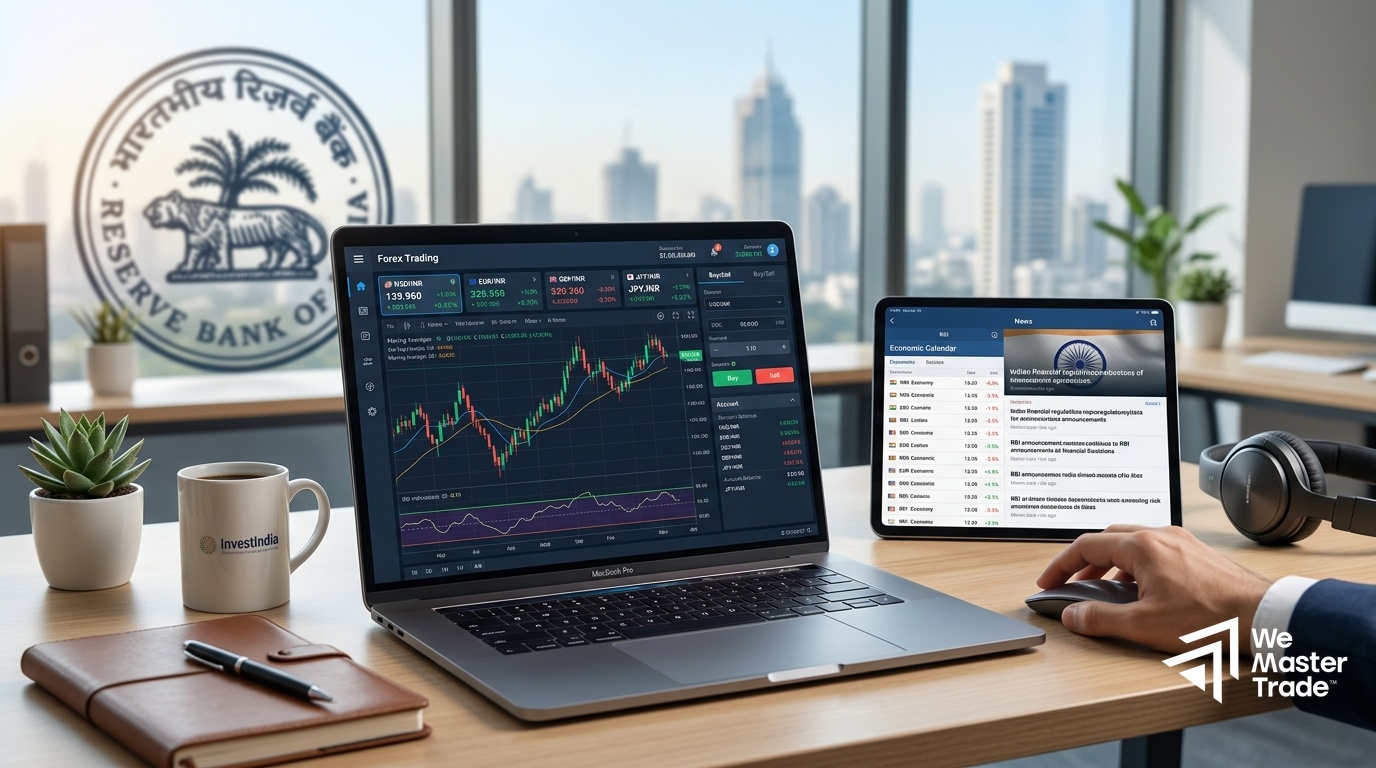
Who Regulates Forex Trading in India?
Three major authorities regulate forex trading activities in India:
Reserve Bank of India (RBI)
The RBI is responsible for India’s foreign exchange policies. It determines which forex transactions are permitted and oversees compliance with foreign exchange regulations.
Securities and Exchange Board of India (SEBI)
SEBI regulates brokers, exchanges, and financial intermediaries that provide forex trading services. All legal forex brokers operating in India must comply with SEBI regulations.
Foreign Exchange Management Act (FEMA)
The Foreign Exchange Management Act (FEMA) serves as the legal foundation for forex trading regulations in India. FEMA governs foreign exchange transactions and prohibits Indian residents from trading forex through unauthorized foreign platforms.
Understanding the relationship between RBI, SEBI, and FEMA is crucial when determining whether forex trading is legal in India for your specific trading activities.
What Forex Trading Is Legal in India?
Indian traders can legally trade forex through recognized domestic exchanges and approved currency derivatives.
Approved Currency Pairs
Indian residents can trade the following currency pairs:
INR Currency Pairs
- USD/INR
- EUR/INR
- GBP/INR
- JPY/INR
Cross Currency Pairs
- EUR/USD
- GBP/USD
- USD/JPY
These are the only currency pairs approved for retail forex trading on authorized Indian exchanges.
Authorized Forex Exchanges
Legal forex trading in India must be conducted through approved exchanges, including:
- National Stock Exchange (NSE)
- Bombay Stock Exchange (BSE)
- Metropolitan Stock Exchange (MSE)
Trading forex through these exchanges ensures compliance with Indian regulations and protects traders under the country’s regulatory framework.
What Forex Trading Is Illegal in India?
Many traders mistakenly believe that using an internationally regulated broker makes forex trading legal. This is not true.
Offshore Forex Brokers
One of the most common violations occurs when Indian residents open accounts with offshore brokers.
Even if a broker is regulated by authorities such as:
- FCA (United Kingdom)
- ASIC (Australia)
- CySEC (Cyprus)
it does not automatically mean the broker is authorized to serve Indian residents.
Under FEMA regulations, trading forex through unauthorized offshore brokers may be considered illegal.
Trading Unapproved Currency Pairs
Indian traders are not permitted to trade unrestricted global forex pairs using personal funds through unauthorized platforms.
Examples include:
- AUD/USD
- USD/CHF
- EUR/GBP
- NZD/USD
Using foreign brokers to access these pairs may violate FEMA regulations.
Using VPNs to Access Foreign Brokers
Some traders attempt to bypass restrictions through VPN services. However, a VPN does not change the trader’s residency status or legal obligations under Indian law.
Regulators can still investigate fund transfers linked to unauthorized forex activities.
Penalties for Illegal Forex Trading in India
Traders who violate FEMA regulations may face serious consequences.
Potential penalties include:
- Financial fines
- Frozen bank accounts
- Investigation by regulatory authorities
- Restrictions on future trading activities
- Criminal proceedings in severe cases
Because of these risks, understanding whether forex trading is legal in India before trading is essential.
How to Trade Forex Legally in India
Follow these steps to ensure compliance:
1. Choose a SEBI-Regulated Broker
Only trade with brokers registered and authorized by SEBI.
2. Complete KYC Verification
Provide required documents such as:
- PAN Card
- Aadhaar Card
- Bank Account Details
3. Trade Approved Currency Pairs
Limit your trading activities to the currency pairs permitted under Indian regulations.
4. Use Authorized Exchanges
Execute trades only through approved exchanges such as NSE, BSE, or MSE.
How to Verify a Broker’s Registration
Before funding an account, verify the broker’s registration through the official SEBI database.
Check:
- Registration number
- Current authorization status
- Any disciplinary actions
A legitimate broker should always be transparent about its regulatory credentials.
Forex Trading Tax in India
Forex trading profits are generally treated as business income under Indian tax laws.
Depending on your income bracket, profits may be taxed according to applicable income tax rates.
Traders should maintain records of:
- Trade history
- Broker statements
- Expenses
- Tax documents
Accurate recordkeeping helps simplify tax filing and compliance.
Common Myths About Forex Trading in India
Myth 1: Forex Trading Is Completely Illegal
False. Forex trading is legal in India when conducted within the approved regulatory framework.
Myth 2: Foreign Brokers Are Automatically Legal
False. International regulation does not replace Indian regulatory requirements.
Myth 3: Small Trading Amounts Are Ignored
False. Compliance obligations apply regardless of account size.
Myth 4: Crypto Deposits Avoid Regulations
False. Funding an offshore forex account with cryptocurrency does not remove legal obligations under Indian law.
Alternative: Prop Trading for Indian Traders
Many traders seek access to a broader range of forex pairs than those available through Indian exchanges.
Proprietary trading firms (prop firms) provide an alternative model where traders demonstrate their skills and trade company capital rather than personal funds.
This approach allows skilled traders to access global markets while operating under a different business structure than traditional retail forex trading.
Final Thoughts: Is Forex Trading Legal in India?
So, is forex trading legal in India? Yes, forex trading is legal in India when conducted through authorized brokers, approved exchanges, and permitted currency pairs.
Indian traders should always follow RBI, SEBI, and FEMA regulations to avoid legal complications. Before opening any trading account, verify that the broker and trading products comply with Indian laws.
By understanding the rules and staying within the regulatory framework, traders can participate in the forex market safely and legally.
Ready to trade global markets with firm capital behind you? Join Our Trading Team and find out how WeMasterTrade’s funded accounts work for Indian traders.