













Among the most crucial economic elements affecting financial markets is inflation. It shows how quickly the overall level of products and services’ prices increases, therefore undermining buying power. Making educated judgments for investors depends on knowing the impact of inflation on stock market. Inflation influences company profitability, interest rates, and general market attitude, therefore influencing stock price volatility. The causes and consequences of inflation will be discussed in this article along with its direct impact on the stock market and risk-reducing investing techniques.
What is Inflation?

The slow rise in goods and services over time, that is inflation, reduces the value of money as buying power. Said another way, as time passes you need more money to purchase the same things. Main forms of inflation are three:
- Demand-pull inflation: It results from a situation when demand for products and services exceeds supply. Prices inevitably grow as more individuals want to purchase goods.
- Cost-push inflation: When manufacturing costs rise, cost-push inflation results. Rising prices allow companies to shift increasing salaries, raw materials, or energy expenses onto consumers.
- Built-in inflation: It relates to adaptable expectations. Workers demand more pay when they anticipate prices to rise; firms then raise their prices to offset the increased pay expenses, hence generating a cycle of increasing prices.
Knowing various kinds of inflation allows one to understand why the effect of inflation on the stock market is not homogeneous; many elements might have distinct results. A mild and predictable inflation might indicate a developing economy. But high and erratic inflation may cause market uncertainty that influences investor confidence and stock values.
Causes and Impact of Inflation on the Economy
Inflation does not occur in isolation; it is impacted by a variety of circumstances. Here are some of the key reasons and their economic implications:
Causes of Inflation
- Increased consumer demand: When the economy is strong, consumers have more discretionary money. This increased money drives up demand for products and services. When demand exceeds supply, prices rise.
- Supply chain disruptions: Natural catastrophes, political instability, and global events all have the potential to disrupt supply networks. When a product is in short supply, its prices rise.
- Rising manufacturing prices: Increased labor, raw material prices, and energy price increases push businesses to spend more on manufacturing. This additional expense is often passed on to customers via increased pricing.
- Expansionary monetary policy: To boost growth, central banks may inject more money into the economy or cut interest rates. While these measures may increase consumption and investment, they can also cause inflation if there is too much money chasing too few commodities.
- Government expenditure: Increased expenditure without equal income might result in budget deficits. To fill the gap, governments may create additional money, resulting in inflation.
Effects of Inflation
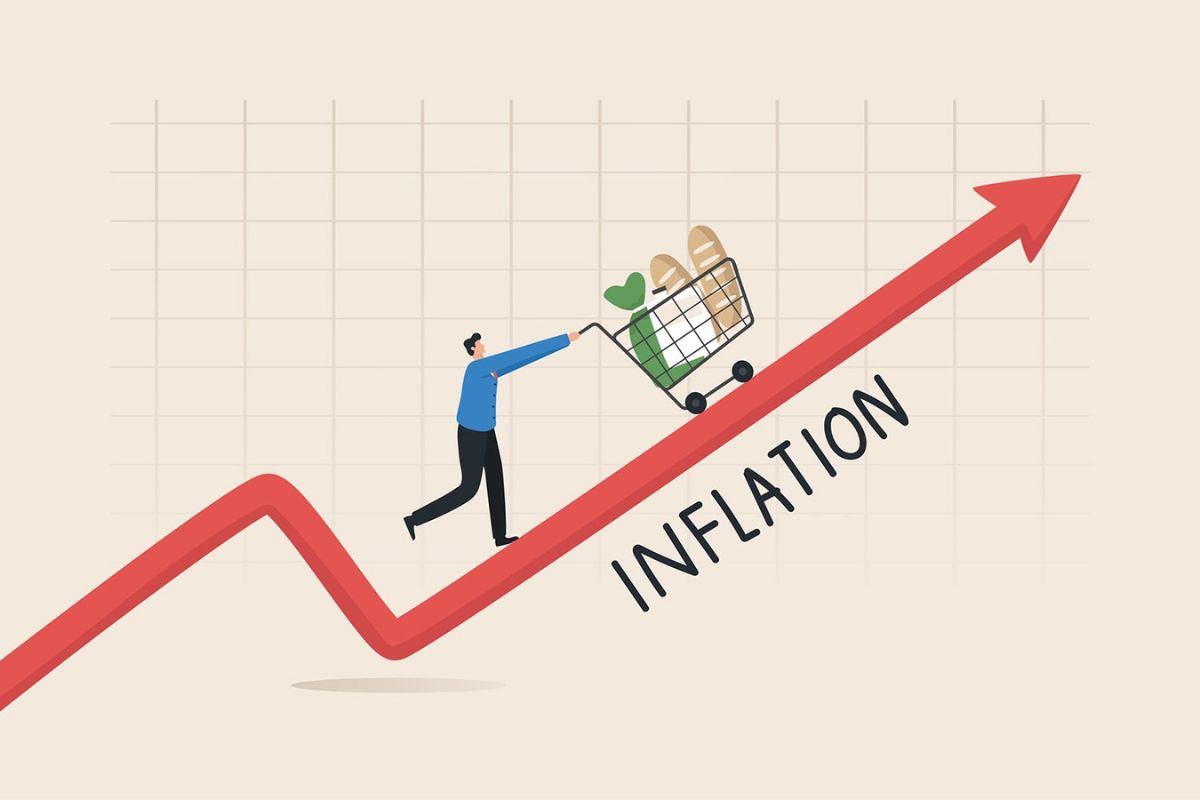
- Reduced purchasing power: As prices increase, each unit of cash becomes less valuable. If salaries fail to keep up with inflation, the quality of life may suffer.
- Higher interest rates: To fight growing inflation, central banks often raise interest rates. This raises borrowing costs and may hamper economic development.
- Economic uncertainty: High inflation causes uncertainty in the economy. Businesses may defer investments, and consumers may postpone significant purchases, resulting in slower development.
- Income redistribution: Inflation does not affect everyone evenly. Those with fixed incomes or with large cash reserves may have their buying power decrease, whilst borrowers may gain from repaying loans with less value money.
Understanding these causes and consequences allows investors to better grasp the larger impact of inflation on stock market movements, since economic changes have a direct impact on market performance.
Impact of Inflation on Stock Market
The correlation between inflation and the stock market is complicated. The impact of inflation on stock market dynamics in a variety of ways:
Corporate Profitability and Cost Pressures
Rising inflation affects manufacturing costs for companies. Profit margins might all be lowered by rising wages, more expensive raw materials, and greater energy costs. While some companies could pass on these costs to consumers by raising prices, overall demand may drop should consumers reduce their spending. Often the outcome of this pressure on profit margins is worse earnings reporting, which might lower stock prices.
Interest Rates and Loan Costs
Using interest rate increases, central banks control inflation. Rising interest rates force companies to pay more for operational improvements or expansion. This might limit development and lower future profit projections, therefore depressing stock values. One of the main ways inflation influences the stock market: investors start to worry about the future profitability of companies.
Investor Sentiment and Market Volatility
High and surprising inflation might aggravate market volatility. Concerned about the future, investors might sell their stocks in hope of reduced business earnings. Conversely, little inflation may point to economic development, which would encourage buying. The unpredictability of inflation might affect investor attitudes, so the impact of inflation on the stock market becomes a major issue for individuals running their portfolios.
Valuation of Different Stock Types

Not every equity moves in line with inflation. Often found in the technology and innovation sectors, growth stocks usually rely on future earnings potential and may suffer from rising interest rates. Value companies—like those in utilities and consumer basics—often outperform others because of their regular cash flows and payouts. This difference in response emphasizes the diverse consequences of inflation on different sectors of the stock market.
Strategies for Investors to Manage Inflation Risks
Investors may guard their investments against inflation in a number of ways. Here are some basic and efficient ideas to give thought:
Diversify Your Portfolio
Reducing risk mostly depends on diversification. By spreading your holdings over asset classes like stocks, bonds, real estate, and commodities, you may lessen the negative effects of inflation on your total assets. Different asset kinds react differently to inflation, hence diversifying your investments might assist to reduce any probable losses. Recall that the impact of inflation on the stock market is just one aspect of the story; a varied portfolio may help guard against other risks.
Moreovers, consider using active trading systems such as WeCopyTrade, which automatically replicates skilled traders’ actions to help mitigate the effect of inflation on the stock market by diversifying into dynamic techniques. This automated technique enhances conventional diversification by offering real-time exposure to alternative asset behaviors.
Invest in Inflation-Resistant Sectors
Pay attention to industries that have usually done well in inflationary times. Strong inflation frequently results in increased profits from industries like energy, consumer basics, and financial services. Businesses in these sectors might pass on more effectively than others additional expenditures to customers. This strategy reduces the influence of inflation on stock market swings by directing investments toward more stable regions.
Consider Dividend Stocks
Companies that pay monthly dividends may provide a consistent revenue stream, which may assist offset growing inflation prices. Industries like utilities, healthcare, and consumer basics may include dividend equities. Many times with steady cash flows, these companies can pay dividends even in recessionary times. Through consistent returns, investing in dividend firms may help to lessen the impact of inflation on stock market performance.
Consider Treasury Inflation-Protected Securities (TIPS)

TIPS are government bonds meant to be inflation-hedging. Their main value increases with inflation as they ensure that the investment keeps worth over time. Although TIPS provide less high returns than stocks, during times of increasing inflation they are a safer, more consistent investment. This is another way your overall investment portfolio might be less impacted by inflation on stock market volatility.
Consider Real Estate Investments
Because property values and rental income rise in line with inflation, real estate is frequently seen as an inflation hedge. Investing in real estate—directly or via Real Estate Investment Trusts (REITs)—may provide income consistency and long-term increase. Including a non-correlated asset type in your portfolio helps you to effectively balance the impact of inflation on stock market risks.
Conclusion
One of the main elements affecting market behavior and economic consequences is inflation. The impact of inflation on stock market dynamics calls for careful portfolio management and investment strategies. Changing with the times could enable investors to stay strong in inflationary conditions. Dealing with these risks calls for sector-specific investments and strategic diversification. Successful living in an inflationary environment depends on a proactive mentality. See latest market news about economic trends and join our trading program at: https://wmt.wecopytrade.com/