












Knowing where liquidity is in the Forex market is crucial for traders. Finding good liquidity can help your trades go well. This blog post is a step-by-step guide on how to find liquidity in Forex markets. We will look at tools to spot busy times versus quiet ones. Following these steps will help you easily see where volume is flowing so you may trade smarter.
Understanding Liquidity in Forex
First, we will dig into the definition and significance of liquidity in Forex.
What is Liquidity?
Liquidity is a measure of how simple it is to trade a currency pair without much affecting its price. When the market for a pair is highly liquid, it means there are lots of traders ready to buy and sell it. This allows trades to happen smoothly at a fair price you pick. High liquidity is good as it is not hard to either enter or exit a position when demands and supplies are in good balance.
Why is Liquidity Important?

Liquidity matters a lot for your trading success. It affects key aspects of your transactions, including:
- Trade execution: When activity is high, trades can be completed quickly and at predictable prices.
- Price stability: Price changes are gentler in liquid markets with stable prices that are simple to predict. Less liquidity brings more volatility.
- Trading costs: Costs stay down because the gap between buy and sell prices narrows for liquid pairs.
So in summary, good liquidity leads to smoother trading with fast and dependable deal execution, steady prices, and smaller expenses working in your favor.
How to Find Liquidity in Forex Markets
Here are several steps to identify liquidity in the Forex markets:
- Check the trading volume: The most liquid pairs like EUR/USD, USD/JPY, and GBP/USD typically have the highest daily trading volumes, measured in billions of dollars. Look at volume data to see which pairs are most actively traded.
- Look at spread width: Liquid pairs tend to have narrow spreads between bid and ask prices, sometimes only 1-2 pips. Wider spreads indicate lower liquidity.
- Consider global economic factors: Pairs involving highly traded currencies from large economies like the USD, EUR, and GBP tend to be more liquid. Less traded currencies (exotic currency pairs) like USD/TRY or USD/ZAR may face lower liquidity.
- Monitor price fluctuations: Liquid currency pairs experience steady, gradual price changes. Less liquid pairs may see larger jumps in price from one quote to the next.
- Check market hours: Look for overlap between major forex centers like New York and London when liquidity is highest. Be cautious of low-volume periods like weekends or holidays.
- Leverage economic news reports: Economic indicators often drive spikes in volume as traders position around announcements. Watch for liquidity around high-impact reports.
Paying attention to trading activity can help you identify the most and least liquid currency pairs to trade. Choosing highly liquid pairs helps ensure optimal execution.
Tools for Finding Liquidity
There are some useful tools to find liquidity in Forex, such as trading platforms, volume indicators, and economic calendars. Let us dive into the features of these tools.

Use of Trading Platforms
Top trading platforms give helpful liquidity information. These platforms show order books with all current buy and sell orders from customers. By checking market depth, you can easily see how trading flows for each currency pair. This lets you know which currency pairs have steady trading and get deals done smoothly.
Volume Indicators
Volume indicators help you see the amount of trading activity in the Forex market, giving you insight into liquidity. While the Forex market does not share volume like stocks, these gauges give useful data by watching price swings. Traders can check indicators for a sense of which currency pairs usually have busy trading to smoothly handle deals.
Economic Calendars
Watching the economic calendar helps foresee how liquidity might rise or fall. It shows when important news about things like employment, growth, and interest rates will come out. These types of reports often lead to busier trading times with better liquidity conditions. Checking the calendar helps traders plan for these opportunities to take part in high-volume periods.
Bonus tips: Using a copy trading platform to practice first is a good idea for any new trader, especially during high liquidity periods.
Trading During High Liquidity Periods
Trading during high liquidity periods may significantly enhance your Forex trading experience. Here is how you can take advantage of these periods for better results:
Best Trading Sessions for High Liquidity
The Forex market stays open around the clock, but busy trading periods when liquidity peaks happen at certain times. These sessions are ideal for ensuring easy trades.
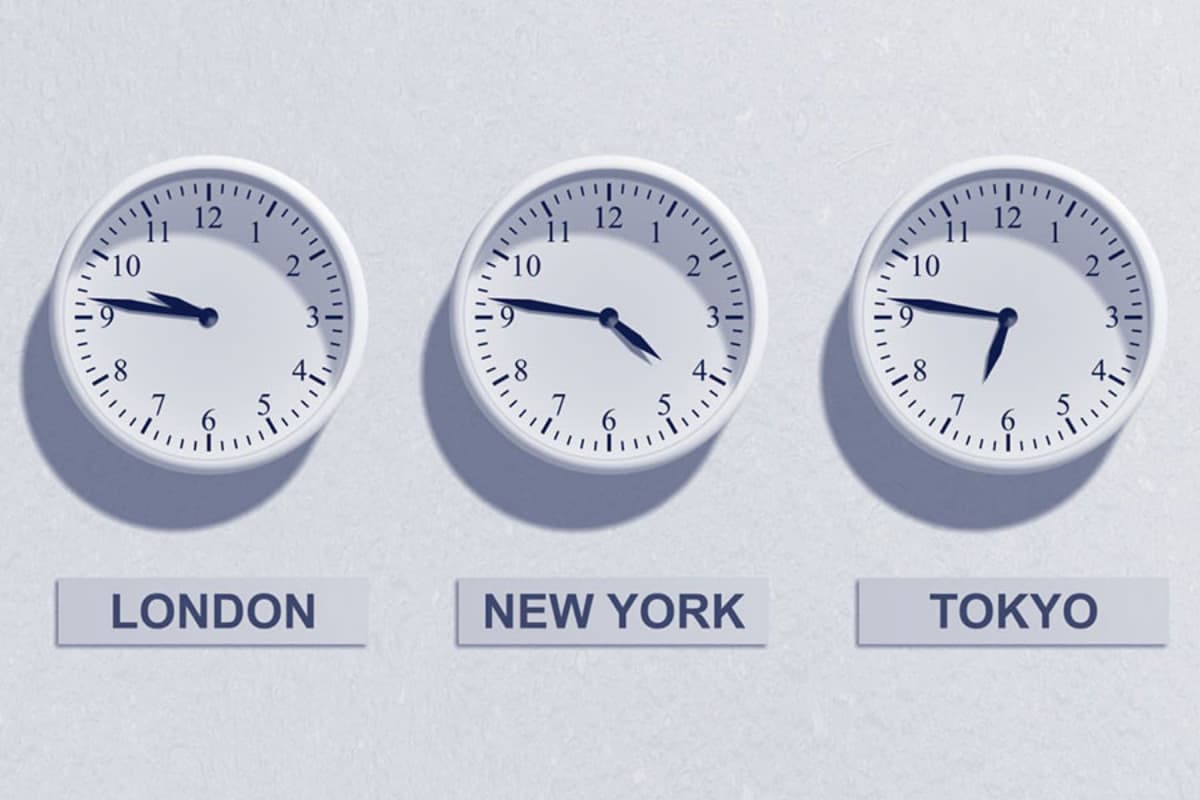
- London session: The London session is a top time known for high volatility and liquidity, especially for European and US dollar pairs.
- New York session: Liquidity climbs even more when the New York session overlaps with London hours. This offers excellent chances to trade, particularly for currency pairs involving US dollars.
Focusing efforts during these busiest overlapping sessions helps find the steadiest market conditions with quick, dependable deal execution. Even though the Asian session is quieter overall, it can still provide some chances, especially when trading pairs like USD/JPY.
Benefits of Trading During Market Overlaps
When different trading sessions overlap, such as London and New York hours together, it makes for prime liquidity conditions. This busy trading period means useful advantages for those looking to trade.
- Tighter spreads: Prices stay lower as the gaps between buy and sell prices tighten.
- Faster trade execution: Deals get made quicker as more pending orders are available.
- Higher trade volume: The volume of swapping currencies picks up, bringing further chances to trade and reducing variations in prices filled.
Recognizing Low Liquidity Conditions
It is vital to notice when liquidity is lower than normal, as this requires different trading strategies.
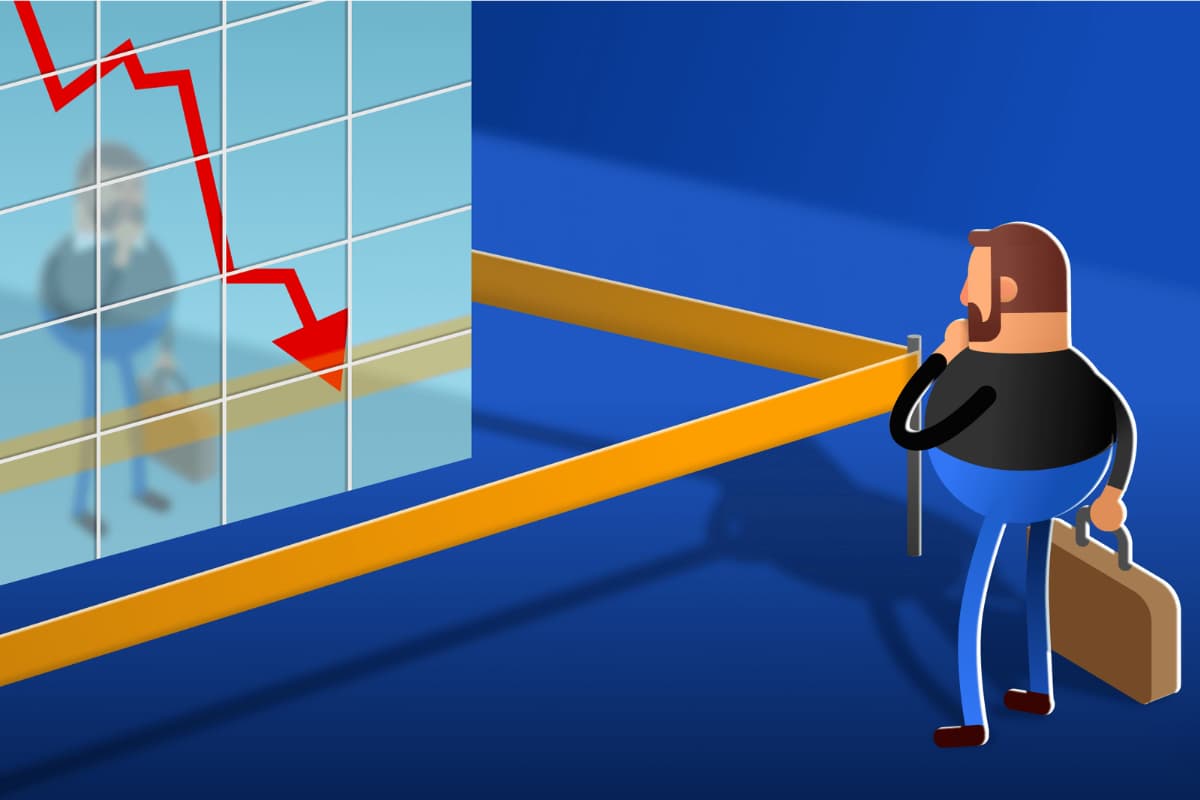
- Off-peak hours: Trading activity and liquidity tend to drop on weekends, holidays, and off-peak hours, such as late in the Asian session. Fewer market players are engaged during these periods, resulting in greater spreads and delayed transaction execution.
- Impact of economic shocks: Unexpected big news like political disruptions or natural disasters might temporarily lead currency rates to swing more widely due to reduced liquidity.
- Managing risk in low-liquidity markets: During low-liquidity periods, carefully controlling risk is key. Placing limit orders instead of quickly trading at current prices helps curb the effects of unstable rate movements.
Identifying these situations prepares traders to handle less busy market situations smoothly.
Using Brokers and Market Makers to Your Advantage
When trading currencies, brokers and market makers play an essential role in keeping trading smooth.
- Understanding the role of market makers: Market makers stand ready to instantly buy or sell pairs to maintain steady market activity, especially during times when more traders tune out.
- Selecting the right broker: Picking a broker known for quick order handling and high liquidity helps make transactions dependably simple, especially on busy days with fast price moves.
Conclusion
In summary, there are numerous tools that traders can utilize to find good liquidity when trading in the Forex market. Monitoring platforms, checking economic news, and watching for busy trading periods can help you see where liquidity will be best. Using indicators also helps identify which currency pairs usually have steady movement. Also, working with reliable brokers and market makers for dependable transactions is pivotal. See more trading tips at the WeMasterTrade Blog.