












In the field of forex trading, the concept of “Forex Leverage” is always associated with the ability to amplify profits as well as risks for traders. Using borrowed capital to expand the size of a transaction provides the opportunity to access a larger market with a smaller amount of capital. However, to use leverage effectively, traders need to understand how it works, common ratios and possible consequences.
What is Forex Leverage?
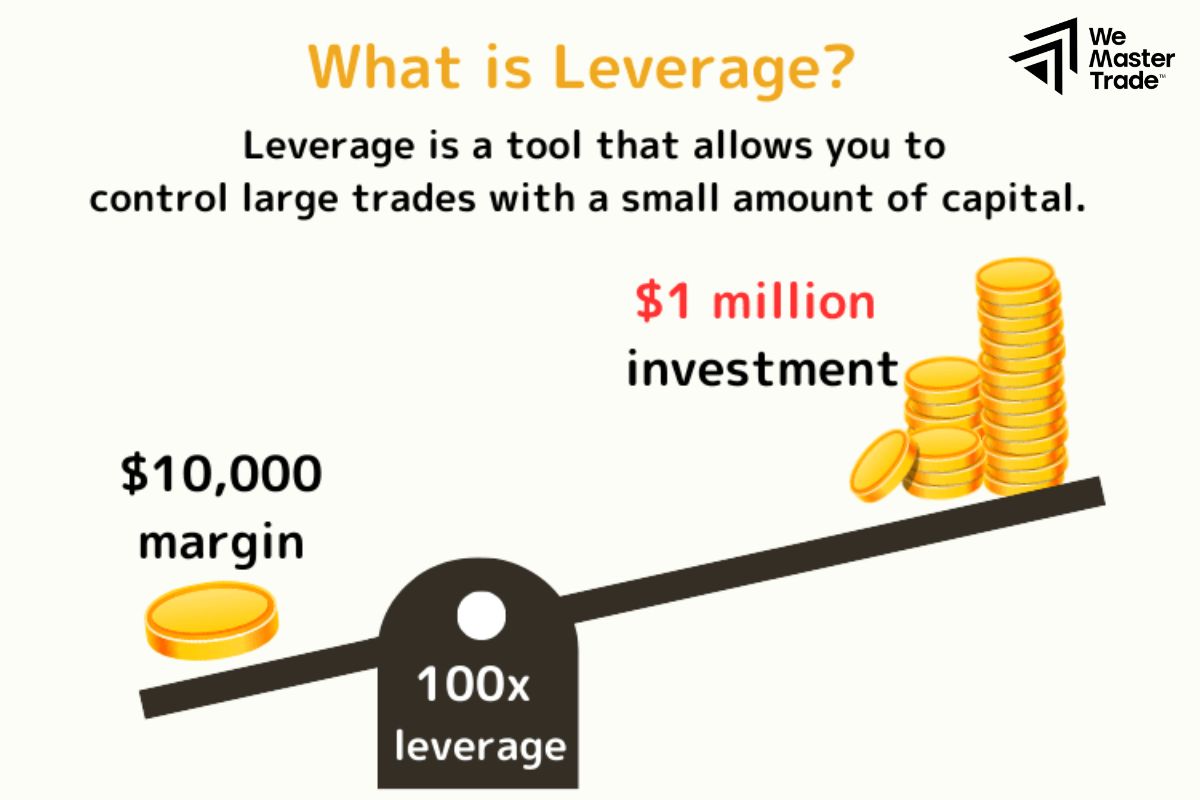
Forex leverage is a financial instrument that allows traders to control a much larger trading volume than the actual amount of money in the account. This is done through a temporary loan from the broker. For example, with a leverage of 100:1, a trader only needs to deposit $1,000 to control a $100,000 order.
Leverage is usually expressed as a ratio, for example: 50:1, 100:1 or 500:1. Depending on the broker, account type and product, the leverage provided may vary.
See more:
- Prop Firm Investor Experience & Valuable Lessons
- What is Interest Rate Forex? Understanding Interest Rates in Trading
- Signs to Leave a Prop Firm That Traders Need to Know
- Prop Firm Success Manifesto: Interview with a Real Trader
Benefits of Using Forex Leverage
- Optimize capital: Traders do not need to invest the entire amount to enter a large order.
- Increase profit potential: If the market moves in the expected direction, profits can increase many times compared to trading without leverage.
- Easier access to the market: People with small capital can still participate in the professional forex market.
However, along with the profit potential, the level of risk is also amplified accordingly.
Risks to Consider When Using Forex Leverage
Forex leverage brings many benefits to traders but also has many potential risks that can greatly affect the trader’s account. Understand the risks to avoid this problem:
Financial risks
- Trading with high leverage can lead to losses exceeding the invested capital, without negative balance protection.
- Small market fluctuations can also have a strong impact on the account.
Psychological risks
- The pressure of trading with large amounts of money can affect decisions.
- Traders are easily drawn into “loss recovery” or “emotional trading” when the account fluctuates strongly.
Common Leverage Ratios in Forex
| Leverage Ratio | Margin Requirements | Equivalent Trade |
| 50:1 | 2% | 50.000 USD cho 1.000 USD |
| 100:1 | 1% | 100.000 USD cho 1.000 USD |
| 200:1 | 0.5% | 200.000 USD cho 1.000 USD |
These leverage levels are typically applied to major currency pairs with high liquidity. For cross currency pairs or emerging markets, the ratio may be lower due to greater price volatility.
Forex Leverage and Margin Trading
To use leverage, a trader needs to maintain a minimum amount of money in the account, called margin. This is the amount of money used to secure an open position. When the market moves against you and the account falls below the margin requirement, the broker will issue a margin call.
If the trader does not add additional margin, the order may be closed automatically to protect both the trader and the broker from losses that exceed their ability to pay.
To illustrate: A trader with $1,000 and using 50:1 leverage can open a position worth $50,000. If the market falls by 2%, the loss will be $1,000 – equivalent to the entire principal, resulting in an automatic closing of the order.
Forex Leverage vs. Stock Leverage
Unlike leverage in stock trading (usually 2:1), Forex leverage is often much higher, up to 100:1 or more. This difference comes from:
- The higher liquidity of the Forex market
- Lower intraday volatility than stocks
- Smaller initial margin requirements in forex trading
However, because of the high leverage, risk control becomes even more important.
Risk Reduction Strategies When Trading Forex Leverage
Using the right leverage
High leverage is not always good. Traders should choose a level that suits their experience, risk tolerance and available capital.
Placing a stop-loss order
Stop-loss is an effective tool to limit the maximum loss for each order. This is especially important when using high leverage.
Managing order size
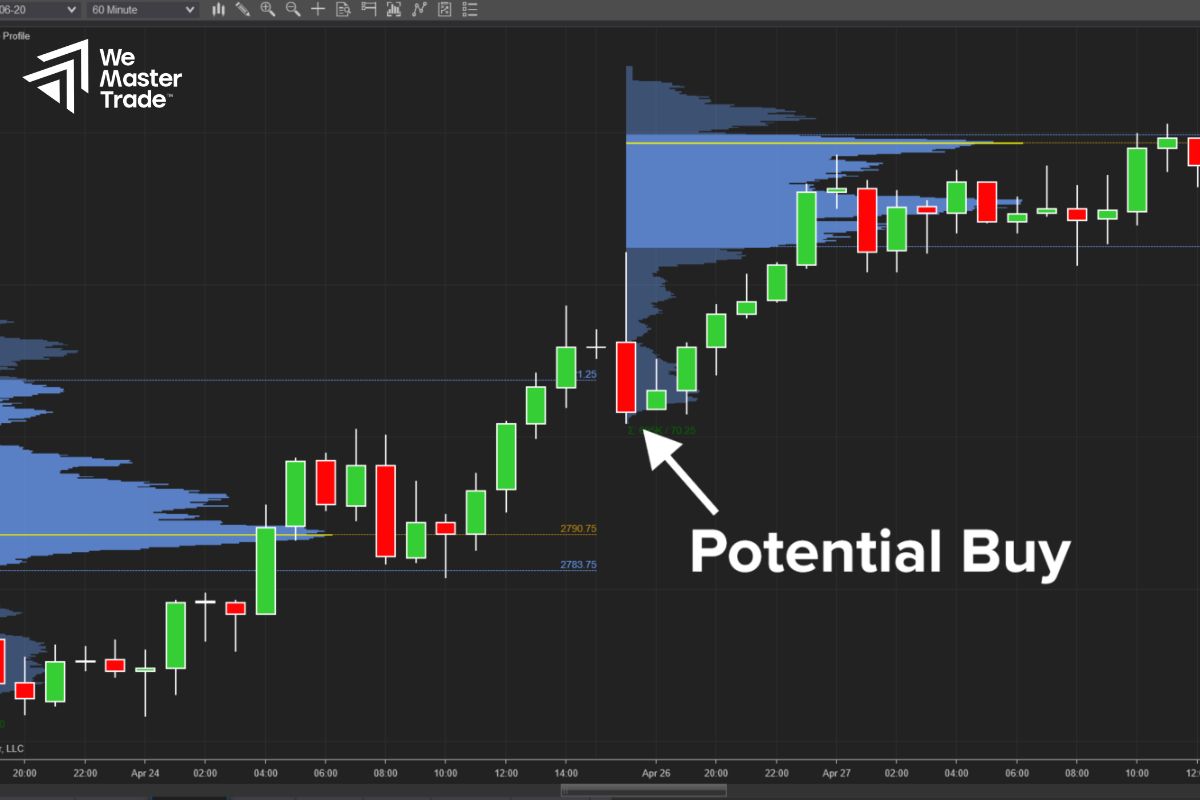
Avoid “all-in” or entering too many orders at the same time. Limit the risk in each order to 1–2% of the total account.
Diversify currency pairs
Do not focus all your transactions on a single currency pair to avoid being greatly affected if the market fluctuates unexpectedly.
Frequently asked questions about Forex leverage
Is Forex Leverage Suitable for New Traders?
Forex leverage offers many opportunities but also carries high risks if you lack experience. New traders should:
- Start with low leverage (10:1 or 20:1)
- Use a demo account to practice
- Focus on money management and emotional control
Only when you understand the market, control your losses and maintain discipline will it make sense to gradually increase your leverage.
Is Forex Leverage Limited?
Depending on the regulations of each country and broker, Forex leverage may be limited. For example:
- In the EU and UK: leverage for retail clients is limited to 30:1 for major currency pairs
- In the US: up to 50:1 according to NFA and CFTC regulations
- Some other regions (such as non-European regions): can still offer leverage up to 500:1
However, even if not limited by law, the use of high leverage should still be carefully considered.
Conclusion
In summary, Forex leverage is a powerful tool, allowing traders to expand their trading scale with limited capital. However, this advantage comes with great risk if not managed properly. Understanding its nature, knowing how to control leverage and applying risk management strategies are essential for safe and effective trading.
See also: