





Common mistakes traders make when working with Prop Firms

Last updated: 10/09/2024

When working with prop firms, traders often encounter pitfalls that can significantly impact their performance and profitability. Common mistakes traders make when working with prop firms include failing to adhere to strict risk management protocols, over-leveraging their positions, and neglecting to diversify their trading strategies. These errors can lead to substantial financial losses and missed opportunities.

Common mistakes traders make when working with Prop Firms

Common mistakes traders make when working with prop firms that not everyone knows. Let’s follow the trading mistakes below:
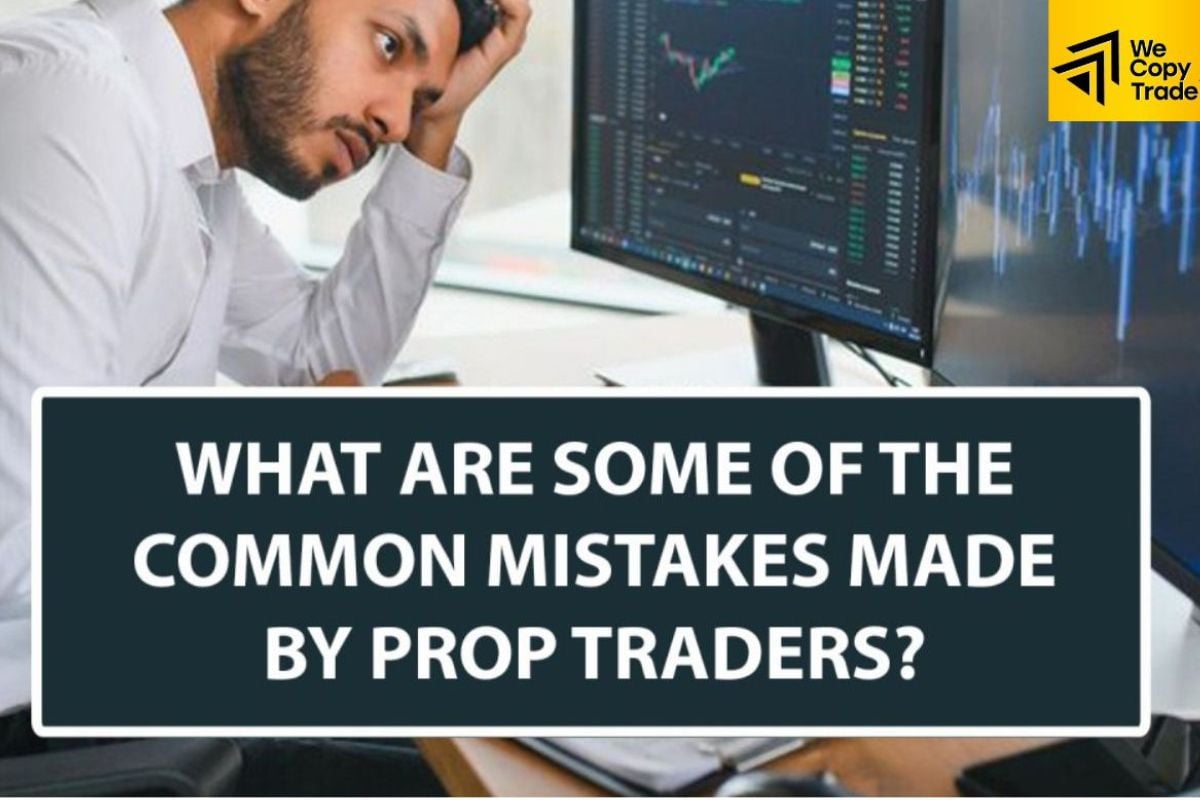
Common mistakes traders make when working with Prop Firms

Ignoring Risk Management

One of the most common mistakes traders make when working with Prop Firms is neglecting risk management. Proper risk management involves setting stop-loss orders, using appropriate position sizes, and adhering to a predefined risk-reward ratio. Traders who ignore these principles often face significant drawdowns or complete account blowouts.

Without risk management, a single bad trade can wipe out a substantial portion of a trader’s capital. Prop firms typically have stringent risk management rules to protect their capital, and failing to adhere to these rules can lead to penalties or even termination of the trading relationship.

Overtrading

Overtrading occurs when traders take too many positions or trade excessively in the belief that more trades will lead to higher profits. This often results from a lack of patience or a misunderstanding of market conditions.

Overtrading can increase transaction costs, lead to higher exposure to market risk, and decrease overall profitability. It can also be a sign of emotional trading or a lack of confidence in a trading plan.

Lack of Discipline
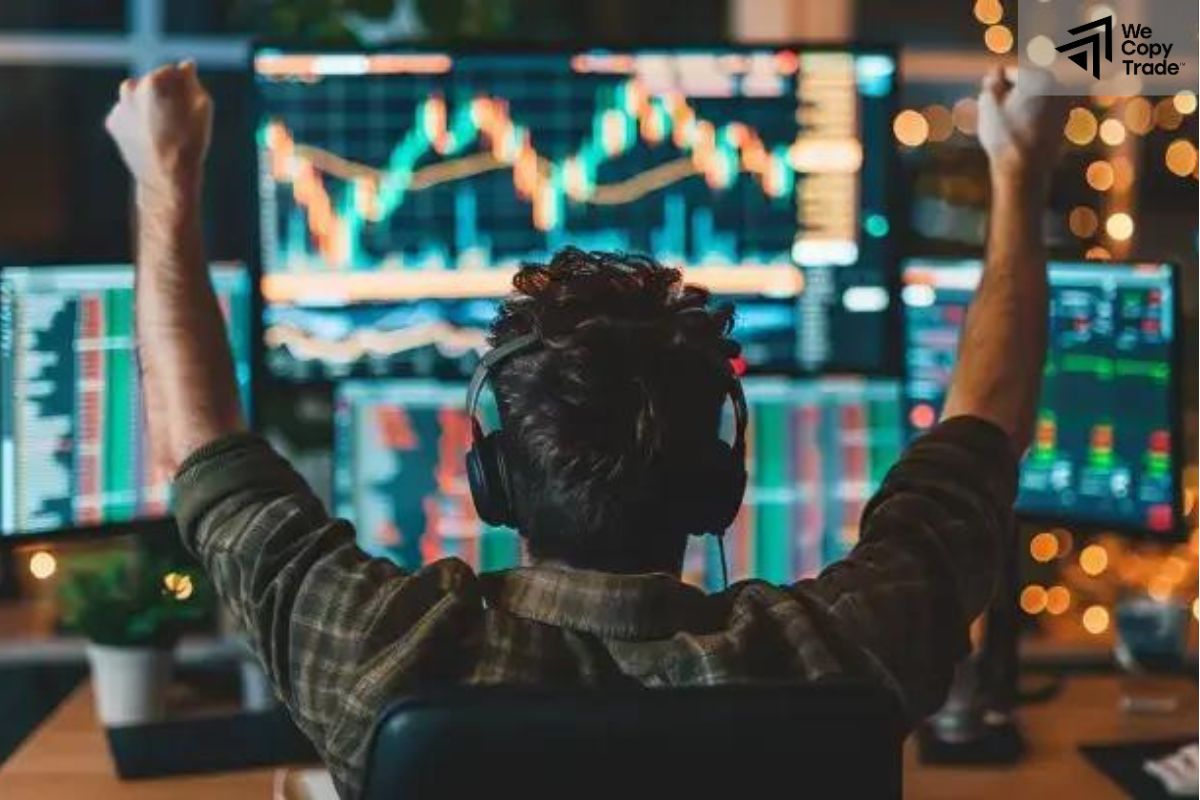
Lack of Discipline
Lack of Discipline

Discipline in trading means sticking to a well-defined trading plan and avoiding impulsive decisions based on emotions or short-term market movements. Traders often struggle with maintaining discipline, especially in volatile or fast-moving markets.

Lack of discipline can lead to inconsistent trading performance, increased risk, and losses. Deviating from a trading plan can result in missed opportunities or poorly timed trades.

Inadequate Research and Preparation

Successful trading relies on thorough research and preparation. Traders who enter trades without understanding the underlying market conditions, economic factors, or technical indicators may find themselves at a disadvantage.

Inadequate research can result in poorly informed trading decisions, leading to losses or missed opportunities. It can also increase vulnerability to unexpected market movements or news events.

Poor Record-Keeping

Poor Record-Keeping
Poor Record-Keeping

Detailed record-keeping involves tracking all trades, including entry and exit points, trade rationale, outcomes, and any lessons learned. Many traders neglect this practice, which hinders their ability to analyze and improve their performance.

Without accurate records, traders may struggle to identify patterns or errors in their trading strategies. This can prevent them from making necessary adjustments and learning from past mistakes.

Emotional Trading

Emotional trading involves making decisions based on feelings such as fear, greed, or frustration rather than logical analysis. This often leads to impulsive trades, chasing losses, or deviating from the trading plan.

Emotional trading can result in inconsistent performance, increased risk, and significant losses. Traders who let emotions drive their decisions may find it challenging to maintain a steady and disciplined approach.

Inadequate Use of Technology

Inadequate Use of Technology

Modern trading relies heavily on technology, including trading platforms, analytics tools, and risk management software. Traders who do not use these tools effectively may miss out on valuable insights or opportunities.

Inadequate use of technology can limit a trader’s ability to analyze markets, execute trades efficiently, and manage risk effectively. This can result in missed trades or suboptimal performance.

Conclusion 

In conclusion, understanding and avoiding the common mistakes traders make when working with prop firms is crucial for long-term success in the trading world. Additionally, thorough research, adherence to firm rules, proper use of technology, and meticulous record-keeping are essential practices that can prevent costly errors. Embracing these strategies not only helps in navigating the challenges associated with prop trading but also fosters a more disciplined and informed approach to achieving trading goals.

See more:
Join Our
Trading Team!

Star Star Star Star Star Transparency Partner FXVERIFY

WeMasterTrade Reviews Verified by FXVerify

Clients are provided with an account containing virtual funds as part of our funded trading model. Their trading activity on the virtual account is replicated in real-time by our exclusive algorithms to our live firm trading account, generating actual cash flow.

Hypothetical Performance Closure

Hypothetical performance results have many inherent limitations, some of which are described below. No representation is made that any account will likely achieve performance-based rewards or losses similar to those shown. There are frequently sharp differences between hypothetical performance results and the actual results subsequently achieved by any particular trading program. One of the limitations of hypothetical performance results is that they are generally prepared with the benefit of hindsight. In addition, hypothetical trading does not involve financial risk, and no hypothetical trading record can completely account for the impact of financial risk on actual trading. For example, the ability to withstand losses or to adhere to a particular trading program despite trading losses is a material point, which can also adversely affect actual trading results. There are numerous other factors related to the markets in general or to the implementation of any specific trading program, which cannot be fully accounted for in the preparation of hypothetical performance results, and all of which can adversely affect trading results. Testimonials appearing on this website may not represent other clients or customers and are not a guarantee of future performance or success.

Hypothetical Performance Disclosure – CFTC Rule 4.41

Simulated or hypothetical trading results have inherent limitations. Unlike actual performance records, they do not represent real trading activity and may be designed with the benefit of hindsight. No representation is being made that any account will, or is likely to, achieve profits or losses similar to those shown or implied.

Risk Disclosure

This is not an investment opportunity. You do not deposit any funds for investment. We do not ask for any funds for investment. At no time do you risk your own capital. There are no promises of rewards or returns. Trading contains substantial risk and is not for every investor. An investor could lose all or more than the initial investment. Risk capital is money that can be lost without jeopardizing one's financial security or lifestyle. Only risk capital should be used for trading, and only those with sufficient risk capital should consider trading. Past performance is not necessarily indicative of future results.

Customer Compensate Disclosure

All trades presented for customer compensation should be considered hypothetical and should not be expected to be replicated in a simulated trading environment. All accounts in the WeMasterTrade program may represent simulated trading accounts. Payments are collected and facilitated by Wecopy Fintech LTD (Company Number: 14905703), 71-75 Shelton Street, Covent Garden, London, United Kingdom, WC2H 9JQ, acting as a Payment Agent on behalf of WeMasterTrade, with the applicable entity determined based on the user’s location and selected payment method.

Complaint Resolution Process

If you believe you are entitled to compensation due to a platform error or system malfunction, please contact support@wemastertrade.com within 7 days of the incident. Our team will review and respond within 5 business days. If the complaint is valid, compensation will be processed within 14 business days.

Compensation is limited to the value of the service fee paid for the affected account. WeMasterTrade is not liable for losses resulting from market conditions, user error, or third-party service interruptions.

Restricted Countries

WeMasterTrade does not provide trading accounts service to residents of the Vietnam, Israel, Russia, North Korea, Iran and some other countries.

Metatrader 5 platform does not provide trading accounts service to residents of the Vietnam, USA, Canada, Israel, Russia, North Korea, Iran and some other countries.

Chat
Complaint & Review Form