





Trading psychology is an often overlooked aspect in trading. It plays a key role in traders’ abilities to make sound decisions. From maintaining discipline to handling losses, strong trading psychology gives traders an edge. However, developing a healthy psychological approach takes awareness and practice. In this article, we will explore the concept of trading psychology and why top traders consider it their secret weapon.
What is Trading Psychology?
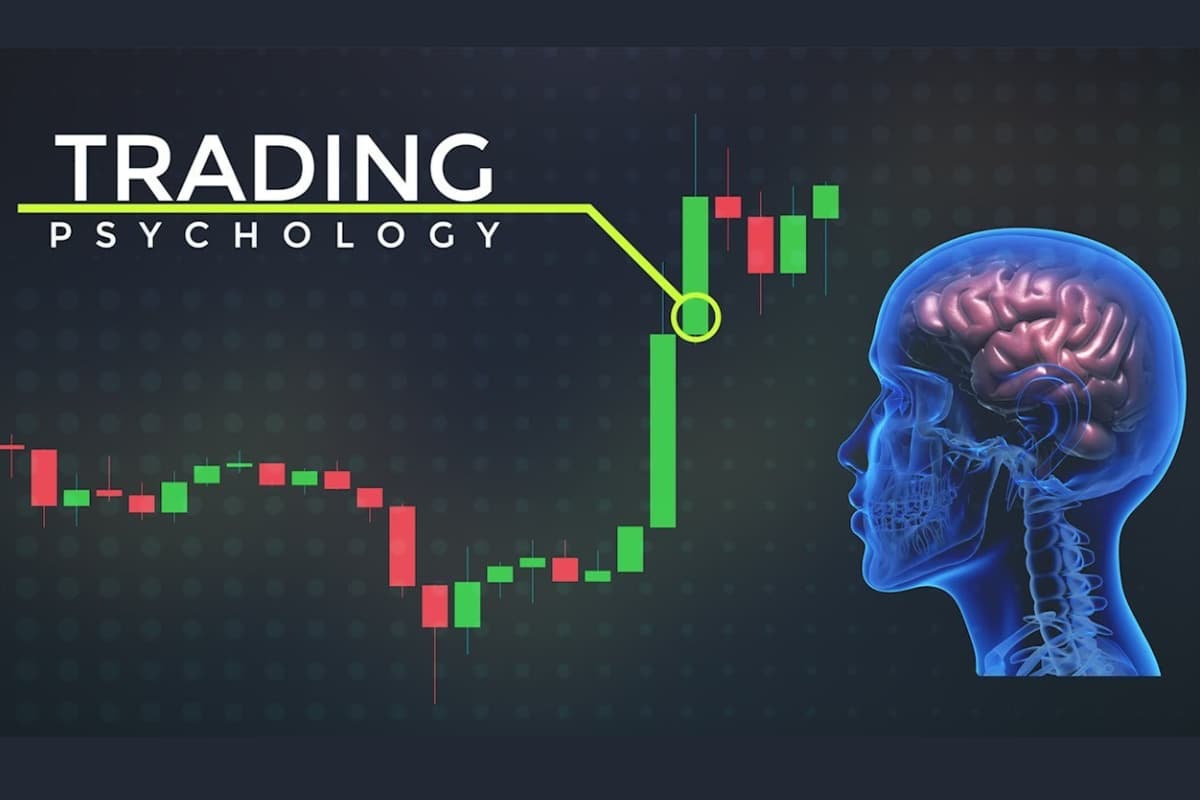
Trading psychology is the emotional and mental state that influences the decisions of a trader. It is all about keeping your feelings like stress, worry, greed, fear, from clouding your judgment. To succeed in trading, you must have the right mental approach, no matter what happens. It is key to keep your calm and strictly follow your strategy, not your emotions. This helps you learn to control your mindset so you can make decisions that align with your plan.
Key Components of Trading Psychology
There are several critical aspects to developing strong trading psychology:
- Emotional regulation: Being able to remain cool-headed even during big markets swings. Not letting feelings like greed, fear, or excitement affect your decision-making.
- Discipline and Self-control: Having the willpower to stick tightly to your trading plan, not chasing moves or bailing too early from trades.
- Risk management mindset: Keeping risks small by using stop losses and not getting overeager on position sizes just because a trade is going your way.
- Patience and Persistence: Believing in your approach through both wins and losses. Letting trades play out over time rather than abandoning if unprofitable short-term.
Mastering these components sets the stage for consistent, level-headed decision-making in any market situation.
The Impact of Emotions on Trading
Emotions can significantly influence trading results if left unmanaged. Now let us delve into the impact of different emotions on trading or even copy trading.
Fear
Fear is one of the emotions that can get in the way of good trading. When prices drop or things are not going your way, it is natural to feel afraid. But being scared can cause hasty decisions like selling at the worst time. It is crucial for traders to be aware of fear and how it might make them act differently than your plan.
Take a breather when fearful and think through your strategy with a calm mind. Then you can make level-headed choices.
Greed
Greed is tricky when it comes to trading. It can make us want to rush into trades to try and catch every last point of gain. This often ends up with traders taking on more risk than planned. Greed may also cause traders to hold on too long waiting for a stock to keep going up.
As traders, we need to watch out for greed and make our moves based on our plan, not just wanting more. Taking what the market gives us fairly is a better way to trade well.
Overconfidence and Impulsivity
If we think we can do no wrong, it is easy to get reckless with trades. Overconfidence tricks us into rushing into decisions without thinking them through. We assume we will win, but we forget how markets can surprise us.
It is best to remember that any trader can lose, even when things are going well. Staying humble stops impulsive moves that disregard our plan. Awareness of this keeps us grounded and patient.
Strategies for Avoiding Emotional Traps
Now that you know the impact of emotions on trading and it is time to find out how to avoid emotional traps.
Building Emotional Resilience
Developing emotional resilience is the first strategy to help you build a winning trading mindset. It is really important to keep your cool when the markets get stressful. Practicing mindfulness and meditation can help reduce stress so your mind stays sharp. Building up emotional resilience means you can make smarter choices even when things are rocky.
Staying relaxed and focused helps you trade according to your plan, no matter what the conditions are. Learning techniques to manage feelings puts you in control of your decisions.
Cultivating Discipline and Patience
Discipline is about adhering to your trading plan no matter what. Following the rules you set for yourself is important when trading. That means not getting swayed from your plan, even when it’s hard. Your plan should include specific times for getting in and out of trades.

Patience also helps – it means waiting calmly for really good chances, not just jumping at ones that seem okay. Being disciplined keeps your decisions smart, and patience stops rash moves just because you feel you have to trade something. Together, these things can keep your trading on track.
Managing Risk Effectively
Controling risk is vital if you wish to trade for the long run. Have a plan for what to do if a trade starts going the wrong way, like using stop orders. Besides, decide up front how much each trade could cost you at most. Sticking to these rules to keep from losing too much helps your money last. If you always follow your risk guidelines, your funds stay safe no matter what the market throws at you.
Taking breaks
The next strategy to avoid emotional trap is taking breaks. When your feelings are high, it is smart to step away from trading for a bit. Take some time to relax and think clearly again before making any moves.
If you are stressed, anxious or angry about what is happening in the market, a break can help you chill out. Once you feel calm and levelheaded once more, you will be able to make choices based only on your strategy, not your emotions.
Journaling
The last method to enhance your trading psychology is journaling. Writing down how you felt during or after trades can show you trends over time. By keeping a journal, you can look back and see what your emotions were doing when things went well or poorly. This helps you recognize if certain feelings lead to better or worse decisions.

The more you journal, the more you will learn about your own behavior. In addition, you will be able to learn from your mistakes and continuously boost your skills over time.
Tools and Resources for Improving Trading Psychology
There are several helpful ways traders can build a stronger mindset. These tools provide education and assistance, no matter where you are in your journey.
- Books and articles: Reading material written by experienced traders can teach valuable lessons. Stories of struggles and successes show you are not alone and give strategies to deal with emotions.
- Courses and workshops: Taking online classes from prestigious platforms on topics like emotions in trading or risk management provides structured learning. You will gain strategies through guided exercises and accountability.
- Professional support: Coaches and mentors tailored to your needs help spot hurdles and craft personalized solutions. Finding the right mentor accelerates progress through individualized guidance and encouragement.
Conclusion
In summary, having a strong, balanced trading psychology may be the most valuable asset of all. Top traders understand how much of an impact emotions can have on decision-making. They put in the hard work to develop an attitude of confidence, patience and discipline. Maintaining control of feelings is what distinguishes the best from the rest.
Please visit https://wemastertrade.com/blog for further tips.

