












Are you new to trading and want to know if master traders use stop losses? The short answer is yes, of course. Using stop-loss orders is seen as the best practice for risk management. They are crucial for protecting capital and adapting to the market’s volatility. This guide will look at why stop losses are important, their different types, and how master traders use stop losses. Let’s check it out!
What is a Stop Loss in Trading?
A stop loss is an order to exit or close out a position at a predetermined price to limit losses on a trade in security like a stock, futures contract, or foreign exchange. It is a core risk management technique for traders.
There are several key things to know about stop losses:
- The purpose is to limit downside risk: A stop loss helps traders cut their losses on a position moving against them. It prevents small losses from turning into big losses.
- A stop loss initiates a market order: When the stop price is achieved, it converts to a market order. The trade will be closed out at the best available price, which might be lower than the stop price owing to volatility or lack of liquidity.
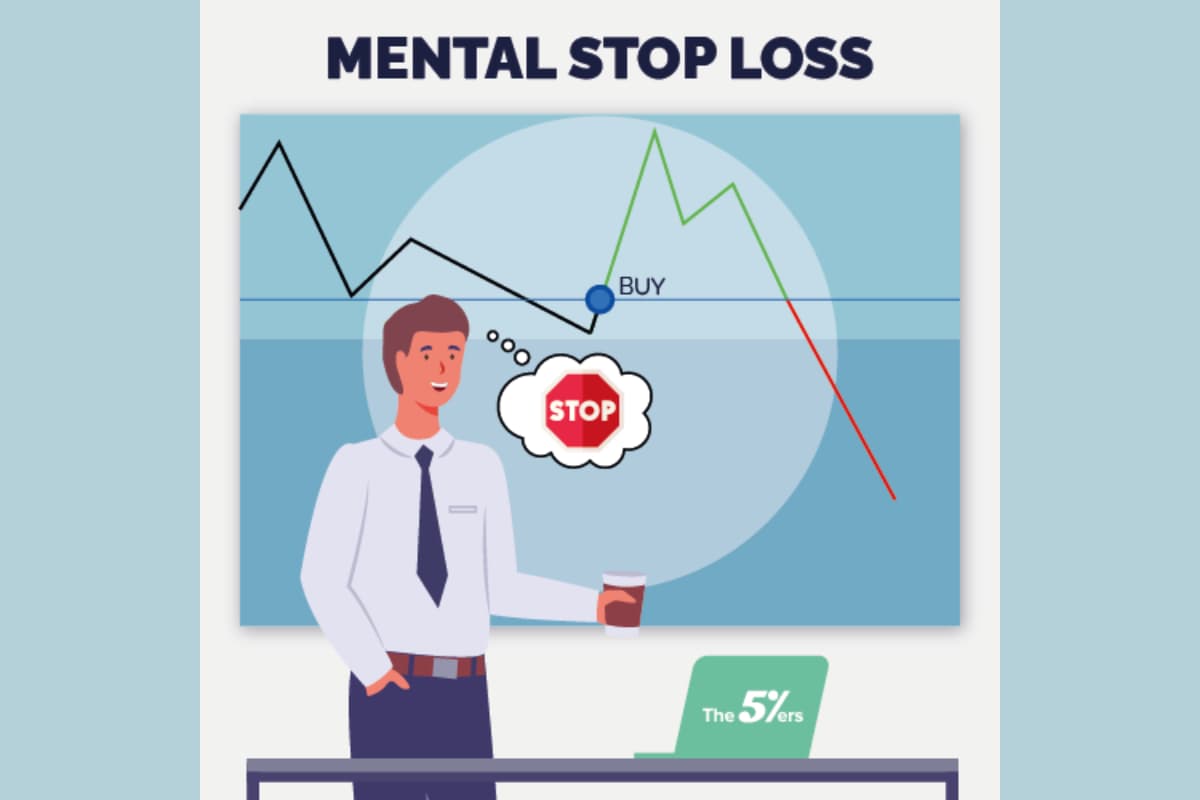
- Stop losses can be mental or physical: A mental stop loss just exists in your mind. A physical or hard stop is an order placed to automatically execute a trade if the price is reached.

Why Use Stop Losses in Different Trading Strategies?
Stop-loss orders are essential in all trading strategies and techniques, for all types of traders. This is why:
- Managing risks: Setting stop losses helps new traders like us stay in control of how much you might lose on each trade. This protects our funds if the market moves drastically.
- Protecting our capital: No one wants to lose too much money just in case something goes wrong. Stop losses ensure any one trade only risks a small amount, so you can keep your money in the game longer.
- Avoiding emotional reactions: It is easy to feel scared or worried if a trade is not going your way. Stop losses mean you do not need to stress as much since you already know your maximum possible loss. This stops you from panic-selling at the worst moment.
- Keeping your cool: Knowing you have stop losses set can help you stay calm and focused on your overall plan. It is much simpler to feel at ease when you have preset the amount you might lose per trade already.
Should you use stop loss in trading?
Yes. You should always implement stop-loss orders to secure your capital, manage emotional trading, and adjust to market conditions.

How Master Traders Use Stop Losses?
To maximize the chances of succeeding, aside from developing a well-defined trading strategy, it is crucial to implement careful risk management techniques. And one of the best risk control methods is using stop losses. Here is how:
Risk management
Many master traders place actual stop-loss orders to automatically sell a stock if it hits a certain price. This helps secure their gains and limit losses on trades that do not go their way. Stop losses are a key part of managing risk.
Mental stop losses
Some traders only use “mental stops” in their heads instead of placing real orders. This strategy is only possible if you can always focus on the market the whole time. You have to keep an eye on prices and sell if needed. This gives more flexibility but risks forgetting in the heat of the moment.
Non-use cases
A few very experienced traders choose not to use stops at all sometimes. They’re very confident in their analysis and can handle short-term losses. But for most people just learning, using stops is safer.
Prop traders
Professional trading firms let people trade with the firm’s money. These “prop traders” may have different stop policies than individual investors. Their goal is to keep risk low to stay in business long-term.
The best approach depends on your goals, experience, and personality. Using actual stop orders is a good way for beginners to start managing risk consciously. But you can also be flexible like experts – just do it carefully! The market will not always go your way.
Methods of Placing Stop-loss Orders
While all stop losses are to keep a position from losing further value, there are many ways you may use to place stop-loss orders, depending on your trading strategy and risk tolerance.

Here are the main approaches for setting stop losses:
- Stop loss at the entry price: This places the stop directly below the price you bought in at. That way you will only lose what you paid if it dips a little.
- Percentage stop-loss: Rather than a fixed price, it’s a set percentage below your entry. So if you bought at $100 and set 5%, it would trigger at $95. This adjusts if the overall price moves up or down.
- Stop loss by support or resistance level: You study the chart and notice price often bounces up from $98. So you set your stop there, as that level has significance.
- Stop loss by indicator: Some people watch technical indicators such as moving averages (MA), Parabolic SAR, Bollinger Bands (BB), or other tools. These help spot trend changes, so a stop below the average could help you exit a reversing trade.
Tips for Setting Effective Stop Losses
By acknowledging the essential aspects of stop losses and following these tips, you may set effective stop losses for your trades:
- Comfort level: Choose a stop that you feel good about. Think about how much loss you can accept on each trade. This gives a foundation for determining the optimal stop loss level.
- Assess the best place: Study the charts to find a smart spot, not too close that small dips hit it, but not too far that you lose more than you want.
- Check it often: Markets change quickly so review your stops regularly in case they need adjusting up or down.
- Use chart patterns: Places like moving averages or support/resistance lines from previous price moves can be good guides for your stop.
- Consider how jittery the market is: Be aware of the volatility of the market. Volatile markets see bigger swings so give trades more room by using wider stops during chaotic times compared to stable periods.
Ultimately, the best approach is choosing a method that you feel suits you. Experiment with various techniques to discover your preferred style. Do not forget that making errors is an inevitable part of the learning process. Your strongest gains come from reflecting on what did not go right and adapting accordingly. With this growth mindset, each experience, whether successful or not, further develops your trading skills.
Final Words
In conclusion, master traders use stop losses. Stop losses are a crucial risk management tool that helps you minimize your losses and secure your trading capital. It is pivotal to choose the best method that suits your goals, priorities, and risk tolerance. Stop losses may help you reduce the risk of losing money on losing transactions and enhance your trading results as well as your trading skills. For more helpful trading tips, please visit https://wemastertrade.com/blog/.