











In the context of digital technology development, the concept of decentralized markets is increasingly mentioned, especially in the fields of finance, real estate, and cryptocurrency. Unlike traditional models that rely on a central coordinating organization, decentralized markets allow parties to trade directly with each other through technology platforms.
This not only brings flexibility and transparency but also poses many challenges related to management and risk. The article below analyzes decentralized markets in detail—how they work, typical examples, and their pros and cons—so traders, businesses, and interested individuals can gain a comprehensive understanding.
What Are Decentralized Markets?
Decentralized markets are places where buyers and sellers can trade directly without using a centralized exchange or financial intermediary. Instead of being concentrated at a single point, pricing and transaction information is distributed across multiple devices and platforms.

What Are Decentralized Markets?
Key characteristics of this market include:
- No single “central” managing authority.
- Transactions often rely on digital technology and peer-to-peer (P2P) systems.
- Prices and liquidity are formed through direct agreement between parties.
The most common example is the foreign exchange (Forex) market, where currency transactions take place globally without a centralized exchange.
See now:
- Should You Trade Forex? An In-Depth Look for Vietnamese Traders
- Forex Losses – How to Limit Risk Effectively in Forex
- Emotional Trader: Understand and Control to Trade Effectively
How Decentralized Markets Work
The operating mechanisms of decentralized markets rely on a broad technology-powered network:
- Real-time pricing information: Buyers, sellers, and brokers can view live quotes via the internet or trading software.
- Direct transactions: Parties do not need to meet or go through a central exchange; they only need a connecting platform.
- Blockchain and cryptocurrency applications: A modern example where smart contracts replace intermediaries, enabling safe and transparent transactions.
This model opens a new era in asset trading—from securities and real estate to digital commodities.
Examples of Decentralized Markets
There are many types of decentralized markets that exist in reality, the most prominent being:
Forex Market
Forex is the most prominent example since it has no single trading headquarters. Traders access the market through various brokers and global electronic systems.
Real Estate
Buyers and sellers often negotiate directly, agree on prices, and make payments without going through a centralized exchange like the stock market.
Bonds and Securitization

Bonds and Securitization
Some types of bonds and derivative financial instruments are also traded through decentralized markets via broker networks.
Cryptocurrencies and Blockchain
Bitcoin, Ethereum, and other digital currencies are modern examples. Transactions occur peer-to-peer without central bank involvement.
Advantages of Decentralized Markets
Decentralized markets attract attention thanks to their outstanding benefits:
- Lower transaction costs: With no intermediaries, brokerage fees can be reduced.
- Greater transparency: Blockchain technology ensures clear and tamper-resistant transaction data.
- Freedom and flexibility: Traders can trade anywhere, anytime, without restrictions from a central authority.
- Diversified opportunities: Decentralized markets enable a wide range of assets, from traditional to digital.
Disadvantages of Decentralized Markets
Alongside their advantages, this model also has several limitations:
- Lack of clear legal frameworks: Without regulatory bodies, risks of fraud and disputes increase.
- Difficult to protect investors: In case of incidents, traders may not receive timely support.
- High volatility: Prices fluctuate easily due to direct dependence on supply and demand.
- Security risks: Although decentralization reduces certain risks, hackers can still attack wallets or electronic exchanges.
Comparison: Decentralized Markets vs. Centralized Markets
|
Characteristic |
Decentralized Market |
Centralized Market |
| Structure | Dispersed, peer-to-peer | Has a central authority, exchange |
| Cost | Usually lower | Higher due to brokerage, management fees |
| Transparency | Depends on blockchain technology | Under regulatory oversight |
| Flexibility | High, 24/7 trading | Limited by exchange trading hours |
| Legal Framework | Lacks clarity, much debate | Strict, protects investors |
Impact of Decentralized Markets on Global Finance
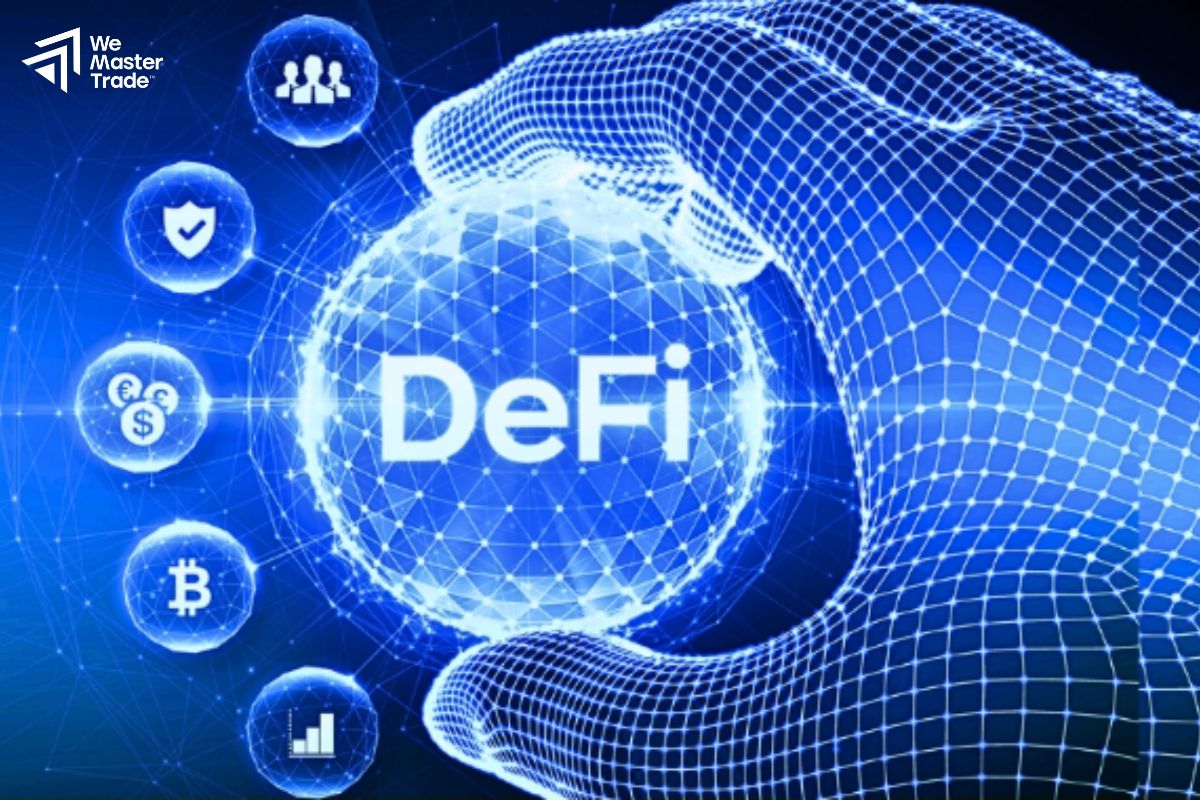
Impact of Decentralized Markets on Global Finance
The rise of decentralized markets is changing global trading in several ways:
- For traders: Access to diverse assets but higher risk due to unclear regulations.
- For businesses: Easier capital raising through blockchain and token issuance.
- For regulators: Challenges in oversight, fraud prevention, and anti–money laundering efforts.
- For financial markets: Expansion of trading scope and technological innovation, yet potential instability if regulation is not balanced.
Conclusion
In conclusion, decentralized markets are an inevitable trend in the digital era, offering many opportunities and challenges for both traders and regulators. However, alongside significant advantages, risks related to legal uncertainty, security, and price volatility remain important considerations. To maximize benefits while minimizing disadvantages, thorough understanding and appropriate future regulations are essential.
See more: