













Two linked economic statistics that greatly affect world markets are inflation and foreign exchange rates. How does inflation affect foreign exchange rates? For forex traders hoping to grasp market patterns and make wise trading choices, this question is very vital. Inflation is the process by which the overall level of goods and service prices increases, therefore undermining buying power. Conversely, foreign exchange rates establish the value of one currency in relation to another. How does inflation affect foreign exchange rates? The mechanics by which inflation affects forex markets, important metrics to monitor, and successful trading techniques will be discussed in this article.
How does Inflation Affect Foreign Exchange Rates?
Examining the link between a nation’s inflation rates and its currency value can help one to understand how inflation influences foreign exchange prices.
High Inflation
When a nation has significant inflation, the buying value of its currency erodes. Several factors might cause the national currency to depreciate:
- Reduced purchasing power: High inflation increases the cost of domestic goods and services, therefore reducing their global competitiveness. Demand for the local money so declines, leading to depreciation.
- Weakened investor confidence: Foreign investors prefer to avoid nations with high inflation since it reduces the actual worth of their assets. This may lead to capital withdrawals, which further weakens the currency.
- Higher import costs: Consumers and businesses can start depending more on imported goods as local prices grow. This depresses the local currency in forex markets but increases demand for foreign currencies.
For instance, the USD may weaken versus the EUR if the US has much higher inflation than the Eurozone, therefore reducing the competitiveness of American exports and increasing import prices.
Low Inflation

Countries with low and steady inflation often keep stronger currencies. Stable inflation rates contribute to:
- Preserved purchasing power: Low inflation allows families and businesses to create more confident long-term financial plans, therefore strengthening the home economy.
- Increased foreign investment: Low-inflationary times draw foreign money as investors look for stable economies. This increases demand for the indigenous currency.
- Stronger trade balance: A nation’s goods and services become more competitive in the worldwide market when its inflation rate is lower than those of its trading partners, therefore increasing demand for its currency.
For instance, Japan has usually maintained low inflation, which helps the Japanese yen (JPY) to remain strong in foreign markets even in face of economic difficulties.
Interest Rate Influence
Central banks have an important role in controlling inflation by monetary policy. One of their main tools is altering interest rates:
- Higher interest rates: To control rising inflation, central banks might hike interest rates. Higher interest rates attract foreign money as investors want for bigger returns, therefore enhancing the value of the currency.
- Lower interest rates: Central banks might lower interest rates to spur on economic growth. But when investors search for bigger gains outside, this typically causes devaluation of the currency.
For example, raising interest rates by the Federal Reserve may increase the US dollar (USD) as overseas investors seek better returns on USD-denominated assets.
Understanding these processes is critical for understanding how does inflation affect foreign exchange rates, both in short-term fluctuations and long-term trends.
Key Inflation Indicators for Forex Traders
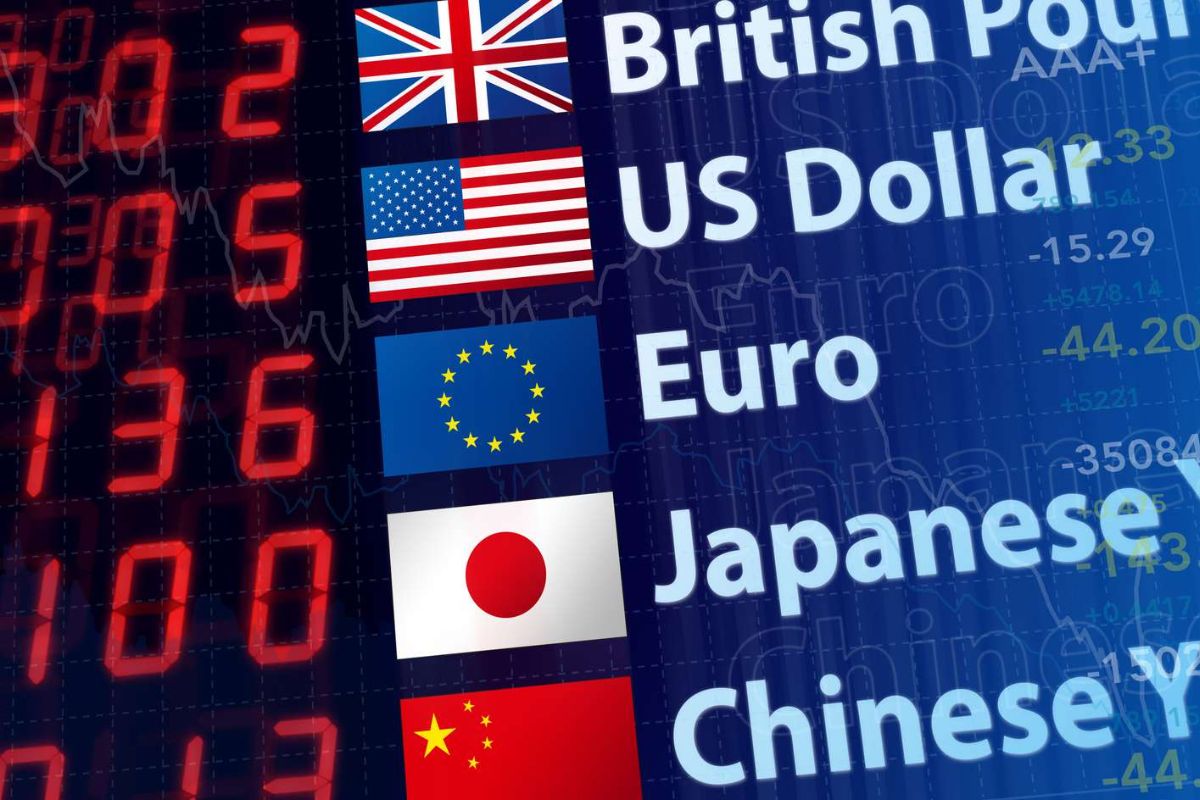
Forex traders track certain economic statistics attentively in order to forecast how does inflation affect foreign exchange rates. These signals guide traders in making wise selections and help them predict changes in the market.
- Consumer price index (CPI): The CPI calculates the average change in prices paid by consumers over time for a basket of goods and services. A rising CPI suggests growing inflation, which might predict currency depreciation.
- Producer price index (PPI): It measures the average change over time in selling prices obtained by domestic producers. An increase in PPI may indicate future consumer inflation, affecting currency value.
- Central bank policies: Central bank decisions on interest rates and monetary policy, such as those of the Federal Reserve or the European Central Bank, have a direct influence on inflation and, as a result, exchange rates. For example, discussions about the Federal Reserve’s independence underscore the importance of its actions for the US dollar.
- Balance of payments: A country’s balance of payments, which includes its trade and capital movements, influences currency demand and supply. A deficit may lead to currency depreciation, whilst a surplus might boost the currency.
By examining these factors, traders may better forecast how inflation affect foreign exchange rates, allowing for more educated trading choices.
How Inflation Data Affects Forex Charts
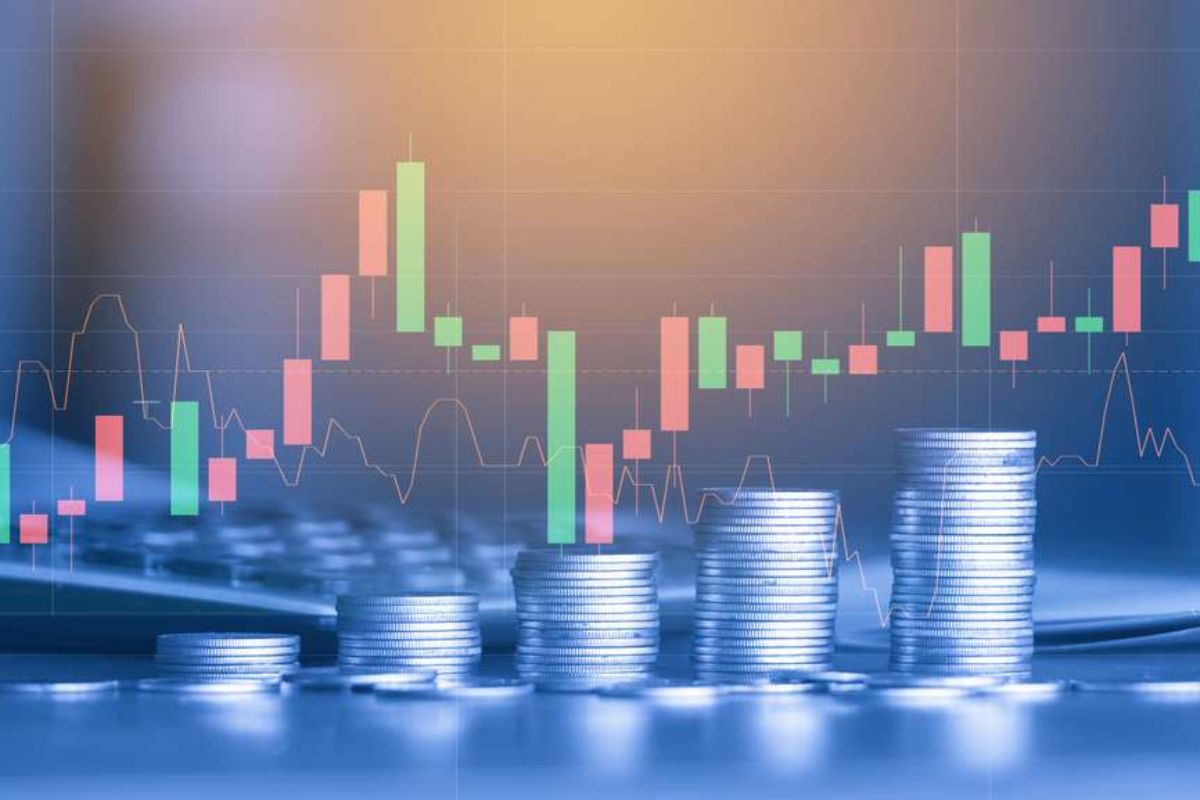
Knowing how does inflation affect foreign exchange rates also means reading forex charts in reaction to news and data releases linked to inflation.
- Market Reactions: When inflation data exceeds expectations, the native currency may decline until the central bank intervenes, such as raising interest rates. For example, unanticipated inflation hikes in Japan may lead the Bank of Japan to modify monetary policies to stabilize the yen.
- Currency Pairs Most Affected: Major currency pairings such as EUR/USD, USD/JPY, and GBP/USD often see increased volatility after big inflation announcements from leading nations. Traders should be watchful during such times in order to profit on prospective possibilities.
- Technical indicators:
- Breakout Patterns: Inflationary shocks may set off breakout patterns, resulting in significant price swings over established support or resistance levels.
- Trend lines and support/resistance levels: Traders use trend lines and support/resistance levels to identify probable entry and exit opportunities, particularly when inflation data indicates a change in economic fundamentals.
By combining technical analysis and inflation statistics, traders may better understand how inflation affects foreign currency values and alter their tactics appropriately.
Forex Trading Strategies Based on Inflation
Since inflation affects the forex markets, traders use several techniques to profit on changes in value of currencies. Knowing how inflation affects the value of money helps traders to make wise selections and reduce possible hazards.
News Trading Strategy
News trading focuses on market responses to real-time inflation data as unanticipated inflation numbers may create considerable price swings. Reacting fast to inflation announcements allows traders to benefit from short-term volatility and profit from changes in value of currencies.
- Traders position themselves depending on announcements of real-time inflation data.
- Given worries about devaluation, higher-than-expected inflation might cause short-selling of the currency.
- Reduced than projected inflation might cause traders to go long on the currency in hope of higher investor confidence.
- Learn how to trade on news with expert’s strategy on WeCopyTrade platform.
Trend Trading Strategy
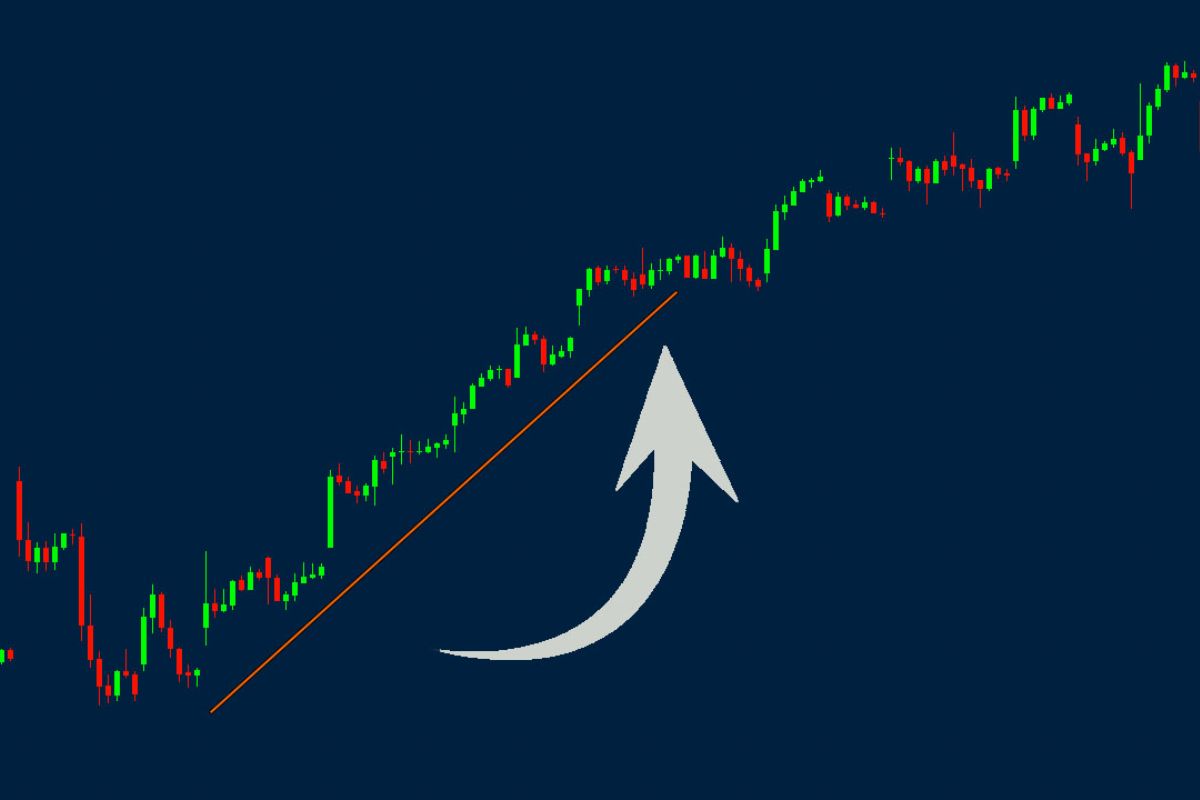
Trend trading is the study of long-term inflation trends to predict the direction of the market as, over time, inflation trends usually define the strength or weakness of a nation. Following inflation-driven pricing swings helps traders match their holdings to more general market developments.
- To guide their market, traders see long-term inflation tendencies.
- Long-term devaluation and long-term depreciation usually follow from constant high inflation.
- Moving averages and trend indicators let traders avoid short-term noise and match moves caused by inflation.
Heading and Risk Management
Forex trading requires a management of risk, particularly in inflationary times when market volatility may be erratic. Reacting to inflation-driven currency movements, traders use several strategies to safeguard their wealth and reduce losses.
- Volatility fueled by inflation may produce surprising price changes.
- Setting preset exit points, stop-loss orders help traders guard against possible losses.
- By distributing assets across many currencies, diversifying forex portfolios helps hedge against inflation concerns.
By employing these tactics, traders may better handle inflation-driven currency volatility, ensuring they make educated trading choices while limiting possible risks.
Conclusion
The issue “How does inflation affect foreign exchange rates” is critical for every forex trader who wants to understand currency movements. In addition to influencing buying power, inflation also has an impact on investor sentiment and monetary policy choices. Traders who can effectively analyze inflation trends are more likely to make lucrative deals. Navigating the FX markets requires being up to date on economic data and central bank policy. Finally, understanding how inflation affects foreign currency prices allows traders to improve their tactics and reduce risks. See latest market news to track inflation rates for your trading and join our trading program at: https://wmt.wecopytrade.com/