
















Key Takeaways:
- Searches for the cheapest trading platform in Singapore often focus on commissions, but real trading costs extend beyond headline numbers.
- Execution quality, slippage, and behavioural discipline frequently matter more than marginal fee differences.
- Comparing brokerage fees in Singapore without analysing spreads, platform structure, and risk controls gives an incomplete picture.
- The most sustainable traders define “cheap” as consistency and capital protection, not simply low transaction costs.
- Structured trading environments reshape how serious traders evaluate cost efficiency over time.
Introduction: Why “Cheapest” Can Be Misleading
When traders search for the cheapest trading platform in Singapore, the starting point is usually clear: which provider offers the lowest commission?
At first glance, the logic is sound. Lower fees should, in theory, translate into higher retained profits. However, trading outcomes are shaped by more than commission rates alone. When focus remains fixed on headline pricing, critical factors such as execution quality, spreads, slippage, and behavioural discipline can be overlooked.
A platform that appears inexpensive may gradually prove costly if orders are filled inconsistently or if its design encourages impulsive decisions. Conversely, a slightly higher fee structure may support stronger long-term results when paired with reliable execution and structured risk controls.
Defining “cheap” therefore requires a broader perspective, one that considers how performance evolves over time rather than how attractive a pricing table appears at first glance.
1. “Cheap” Trading Platforms Are Not Defined by Headline Fees Alone
Many traders begin with a straightforward comparison of trading commissions, reviewing percentages, per-lot charges, and promotional discounts. The lowest number often appears to be the sensible choice. Yet commission is only one part of the total trading cost.
Execution quality determines how closely orders are filled to the intended prices. In volatile conditions, slippage can accumulate quickly. Platform stability affects whether entries and exits occur precisely when required. Even small delays can influence outcomes for active traders.
In Singapore, discussions around brokerage fees frequently dominate decision-making, but long-term performance depends on more than advertised pricing. A trader paying slightly lower commissions but receiving inconsistent fills may ultimately lose more through weak execution.
True cost efficiency reflects how reliably a platform supports precise entries, controlled exits, and disciplined position sizing across different market conditions. When evaluating low-cost trading platforms, serious traders look beyond headline fees and consider whether the environment enables consistent strategy execution under pressure. If that reliability is uncertain, the “cheap” label may not hold.
2. Hidden Costs Often Outweigh Advertised Savings
Low commissions can conceal indirect costs that only become visible over time.
Spreads are a common example. A broker may offer a low commission while maintaining wider bid-ask spreads. For active traders, that difference compounds across dozens or even hundreds of trades. What appears negligible per transaction can meaningfully reduce net returns over weeks and months.
Execution speed is equally important. In volatile conditions, delayed fills can shift entry or exit prices beyond planned levels. A small discrepancy on a single trade may seem manageable, but repeated instances can materially affect overall performance.
Risk controls also deserve attention. Platforms with limited stop-loss flexibility, unclear margin requirements, or inconsistent rule enforcement expose traders to unintended risk. Drawdowns caused by structural weaknesses often cost far more than any commission savings.
These hidden factors rarely appear in a simple trading commission comparison, yet they directly influence long-term outcomes. When assessing trading platforms in Singapore, cost efficiency should include spread competitiveness, execution reliability, margin transparency, platform stability, and the strength of risk management tools.
Costs accumulate gradually. The impact may not be obvious at first, but over time, small inefficiencies compound. True affordability depends on how effectively a platform protects capital across both stable and volatile market conditions.
3. Cheap Tools Can Encourage Expensive Habits
One aspect rarely discussed in pricing comparisons is how platform design shapes behaviour. Highly frictionless interfaces make trading fast and effortless. Positions can be opened within seconds, charts update continuously, and notifications encourage constant engagement. While convenience has advantages, it can also promote overtrading and reactive decision-making when structural guardrails are absent.
Without clear constraints, traders may enter impulsively, increase size after losses, chase short-term movements, or ignore predefined risk limits. These behaviours generate costs that far exceed modest commission savings. A trader using an apparently low-cost platform may save per transaction but lose significantly more due to inconsistent discipline.
Serious traders understand that sustainable results depend not only on technical tools but also on behavioural control. A platform that reinforces structured planning and disciplined risk management may prove more cost-effective, even if its commission appears higher at first glance.
4. Serious Traders Prioritise Structure Over Short-Term Savings
As traders gain experience, their priorities evolve. Early on, the focus is often on finding the cheapest trading platform because cost appears clear and measurable. Over time, attention shifts towards consistency and control.
Cost efficiency becomes less about saving on each trade and more about ensuring repeatable execution. A stable trading environment enables traders to follow predefined risk parameters, execute strategies without technical disruption, analyse results objectively, and refine position sizing based on actual performance data.
For instance, traders who focus on fund indices require dependable execution during major economic releases, where reliability carries greater weight than marginal fee differences. Likewise, those who practise in simulated trading environments often find that behavioural discipline, rather than commission costs, determines long-term viability. Simulations expose weaknesses in risk management, highlight overtrading tendencies, and reveal where discipline falters under pressure.
These experiences reshape how cost is evaluated. A slightly higher commission may be acceptable if the platform supports structured improvement and reduces behavioural leakage. Over time, consistent execution reduces drawdowns, which protect capital. That protection is where genuine affordability begins to emerge.
5. Structured Trading Environments Redefine What “Cheap” Truly Means
For traders committed to long-term development, cost efficiency cannot be separated from structure and accountability. The conversation moves beyond headline pricing and towards whether the trading environment reinforces disciplined behaviour.
Funded trading models introduce clearly defined risk parameters, drawdown thresholds, and measurable performance benchmarks. The focus shifts away from chasing the lowest commissions and towards executing consistently within real constraints. Instead of repeatedly comparing brokerage fees, traders begin to ask whether their strategy can operate sustainably within structured limits.
Such environments promote controlled position sizing, clear daily and maximum risk boundaries, objective performance tracking, and reduced impulsive behaviour. Over time, these guardrails influence decision-making in meaningful ways.
This reframes the definition of “cheap.” It is no longer confined to the per-trade commission. It becomes about avoiding large, preventable losses and protecting capital through disciplined repetition. A platform with slightly higher fees but stronger structural oversight may ultimately cost less because it reduces emotional escalation and inconsistent exposure.
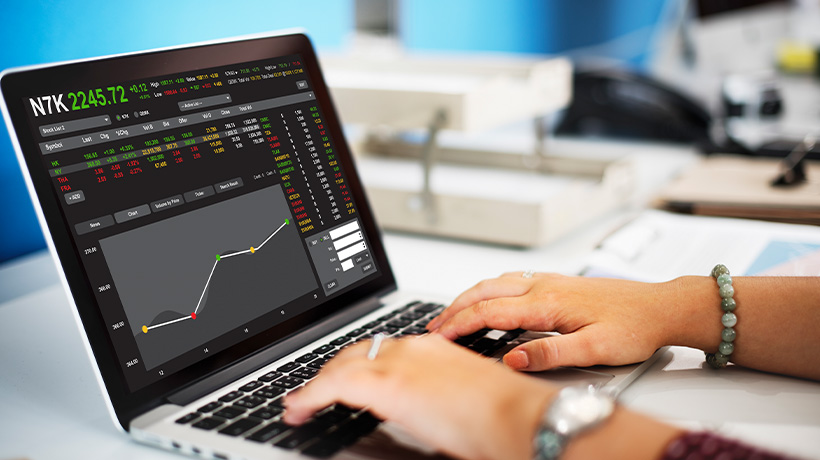
Conclusion: The Cheapest Trading Platform Is Not Always the Lowest Fee
The search for the cheapest trading platform often begins with commission tables and promotional rates because fees are visible and straightforward to compare. However, serious trading calls for a broader understanding of cost.
Execution quality, spreads, behavioural discipline, and structural consistency all shape long-term performance. A platform that appears inexpensive may ultimately prove costly if weak guardrails allow overexposure or unmanaged drawdowns. Over time, these hidden inefficiencies can outweigh small differences in commission.
Sustainable traders, therefore, define “cheap” not by the lowest fee, but by capital protection and repeatable execution within clear risk boundaries.
If you are evaluating your next move and want to trade within a framework that prioritises structured risk management over surface-level savings, contact us at WeMasterTrade. Our evaluation pathways are designed to reinforce accountability, proportional risk, and long-term consistency so you can focus on sustainable performance rather than chasing the lowest fees.
* Trading involves significant risk and may not be suitable for all individuals.

